Rabat – In Islamic tradition, Eid al-Adha symbolizes one’s sacrifice and submission to God. Eid al-Adha, also referred to as Eid al-Kbir (the grand Eid), is celebrated on the tenth day of the twelfth month of the Islamic Calendar known as Dhu-al-Hijjah.
In the days leading up to Eid al-Adha, muslims around the world prepare to spend the holiday with family. In Morocco, Eid preparations are extremely traditional. Families visit livestock markets in the weeks before Eid al-Adha in order to select their sacrificial animal.
This photo essay will provide insight into the Eid al-Adha livestock market process and juxtapose Morocco’s Eid al-Adha festivities with the rest of the world.
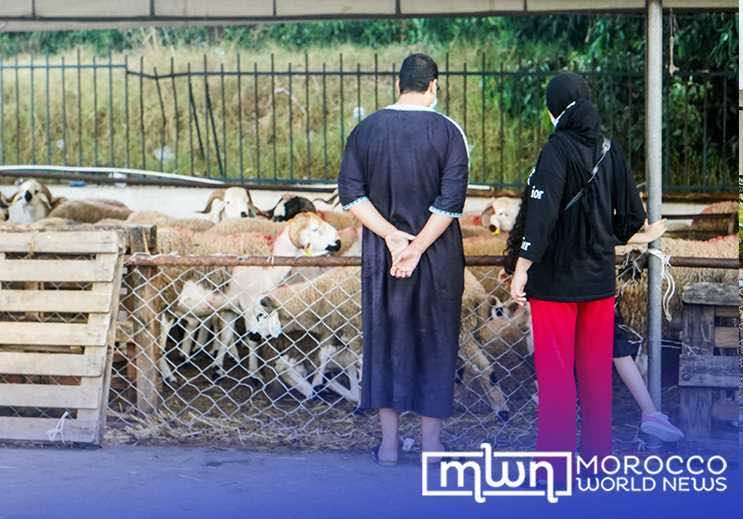
A family visits a livestock market stall outside of a local supermarket in Morocco’s capital of Rabat. The markets often feature a wide variety of sheep, lambs, goats, and sometimes cattle. The animal’s prices range from MAD 1500 ($170) to MAD 7000 ($785) and the merchants base the prices on the size of the animal, the fat-to-muscle ratio, age, size of horns, amongst many other factors.

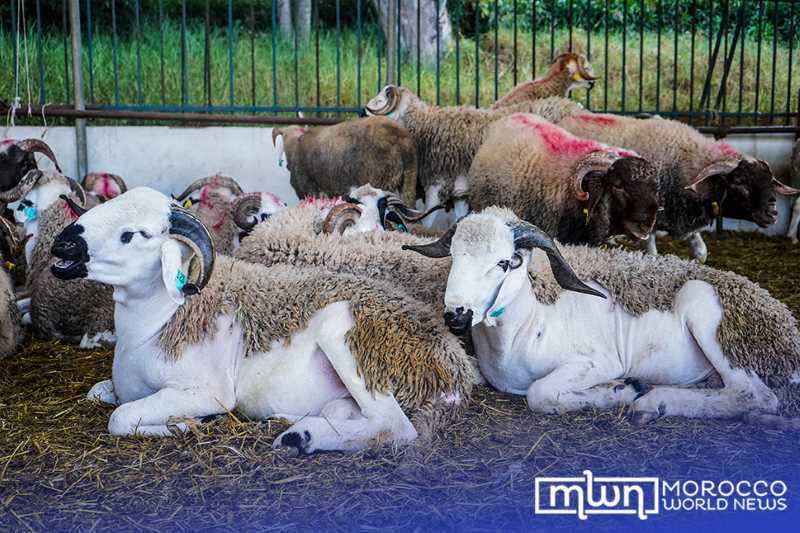
The stalls are packed to the brim with sheep and the animals remain in the market until the week of Eid. Afterwards, the merchant is responsible for delivering the sheep to the owner. In the photo, the sheep are marked with a green stripe of non-toxic paint. After a customer purchases a sheep, the merchants spray paint a highly visible strip on the animal to note its “purchased” status.
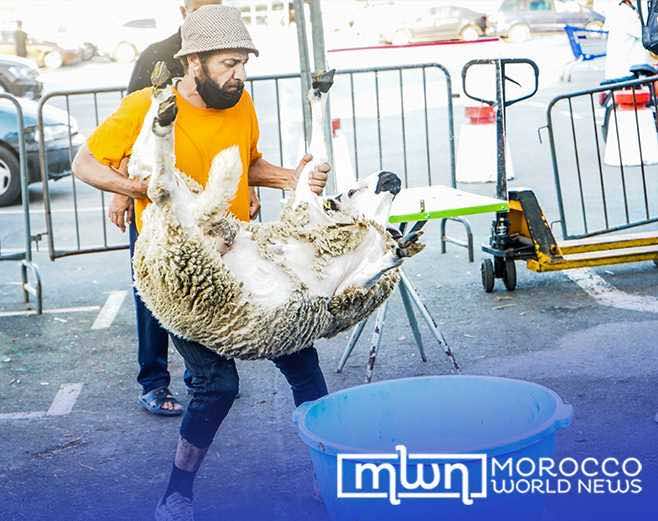
After the strip of paint, merchants must weigh the animal to note its weight on the animal’s ear tag. Here, a merchant wrangles a sheep to weigh it on the scale. The sheep can weigh between 35 to 180 kg (80 to 400 pounds).
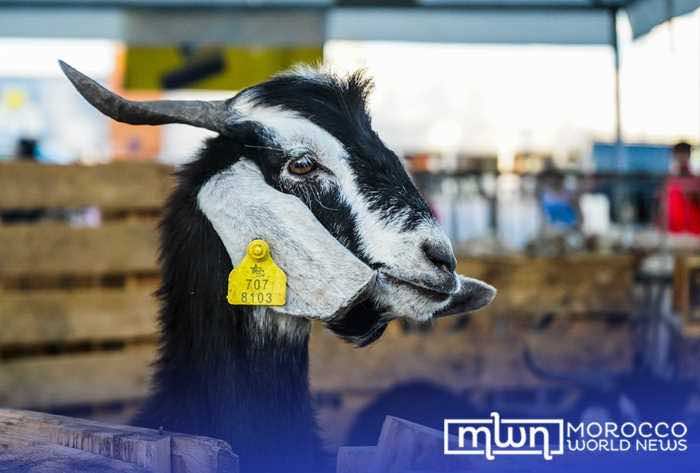
In addition to sheep, this livestock market also offers goats. Families often choose which animal they would like to slaughter based on meat preference, size of the family, and cost. Goats are distinguishable from sheep as they often have a smaller build, smaller horns, and have a rectangular pupil in their eye.

The size of the sheeps horn plays an important role in determining its price. Sheep with larger, more curly horns are often healthier. In Morocco, the Sardi sheep (as pictured above) is the champion beast of Eid due to its large meat output and accessibility.

Due to the COVID-19 pandemic, consumers must stand around a fence when deciding on the perfect animal. Traditionally, patrons could enter the stall with the animals and personally inspect them. In the image, precautionary signage hangs above the animals, advising customers to wash their hands frequently and wear a mask.
Morocco’s Ministry of Islamic Affairs announced that Eid al-Adha is set to begin on July 21, 2021 in Morocco.
Morocco World News wishes everyone an Eid Mubarak Said!