Rabat – Ethiopia began the second phase of filling the reservoir at the Grand Ethiopian Renaissance Dam (GERD), raising tensions with Sudan and Egypt prior to Thursday’s Security Council meeting on the subject.
The Egyptian and Sudanese authorities stated that they received notifications from Addis Ababa informing them of the resumption of the filling project. Both governments have condemned the move, urging Ethiopia to suspend the project until an agreement is reached.
Egypt’s Ministry of Irrigation voiced its “firm rejection of this unilateral measure”, claiming that it violates the international laws that regulate shared bodies of water and infringes on Egypt’s rights.
The ministry’s statement added that Egypt will address the issue clearly to the President of the United Nations Security Council, stressing that Ethiopia’s behavior could cause regional and international tensions.
Sudan’s Foreign Ministry also commented on the move, calling it a “risk and imminent threat”, and expressing concerns that Ethiopia’s project could be detrimental to its own dam projects if an agreement is not reached.
The dam is set to be Africa’s biggest hydroelectric project once it is completed, but it has sparked tensions between Ethiopia and its neighbors, who consider the river an extremely important resource for their water supplies.
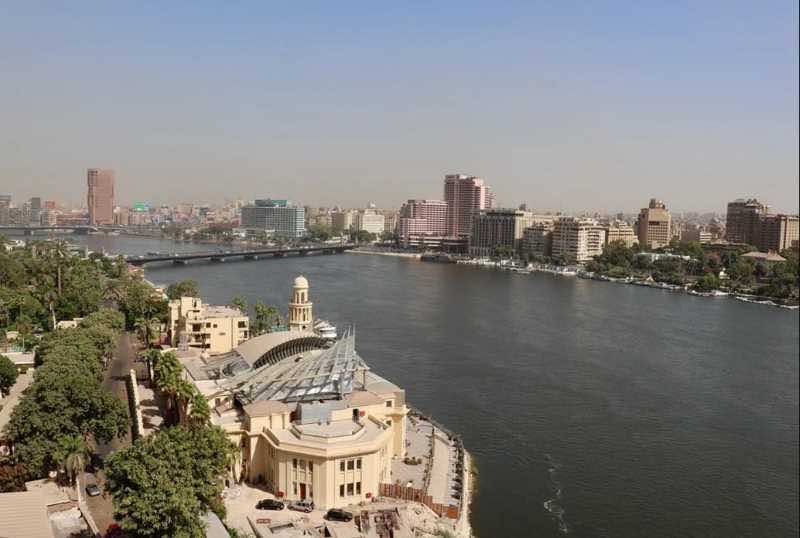
Egypt relies on the Nile for 97% of its drinking and irrigation water, prompting concerns that the Ethiopian dam could cause an “existential crisis” for the country. Sudan reported water shortages in its capital, Khartoum, last year, a claim which is disputed by Ethiopia.
The UN Security Council is set to hold a meeting this Thursday, dedicated to this project to negotiate an agreement between the three nations.
The deal was reportedly requested by Tunisia, who also submitted a draft resolution that calls for Ethiopia to stop filling the reservoir, diplomatic sources told AFP. Saudi Arabia also recently threw its weight behind Egypt and Sudan, expressing its support for the countries’ “legitimate water rights”.
Nicolas de Riviere, the French ambassador to the UN, said that the Security Council is unable to do much, and that it can only encourage the states to sit at the negotiating tables once more to try and find a solution.
Addis Ababa had previously announced that this second stage of filling would resume in July, whether the three countries reached an agreement or not.
The project started last year, when Ethiopia filled 4.9 billion cubic metres, an amount it hopes to double this year.
The dam is seen by many in Ethiopia as a unifying factor, in the midst of various ethnic conflicts. “It’s important for the country and for the leadership to complete the dam,” said Costantinos Berhutesfa Costantinos, an expert on public policy at Addis Ababa University.
“If anything, it will have a positive impact as it will prevent flooding in Sudan,” he added, explaining that the water would not be held from them permanently.