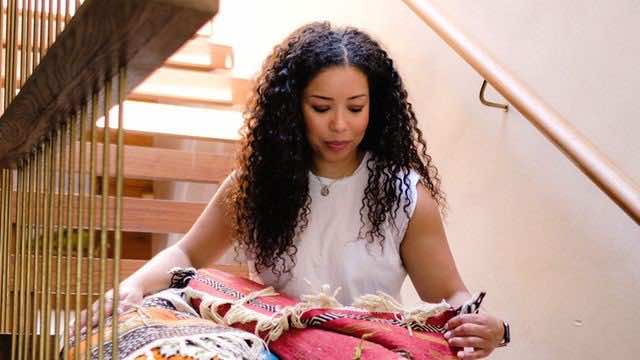
Denver – A Moroccan female entrepreneur living in the UK has launched a new initiative to support Amazigh women through textile manufacturing.
29-year-old Sarah Allaoui originally left Morocco to attend university in the UK. After finding imitation Moroccan handicrafts in shops around the United Kingdom, Allaoui decided to start a brand of authentic textiles, enlisting the help of Amazigh women.
Allaoui said the death of her grandmother was a turning point in her determination to materialize the project, as it motivated her to create a brand that would help her “reconnect” with both her Moroccan and Amazigh heritage.
Many in remote Amazigh towns and villages have been disproportionately affected by COVID-19. Amazigh women in most of these villages and towns rely on tourism for the bulk of their textile sales, but this has considerably stagnated with the COVID-19 pandemic.
Amid the devastating impacts of the pandemic, Allaoui determined that it was her “mission to support these women makers.” Thus was the beginning of Moussem, a brand created to support Amazigh women through authentic textile sales.
Allaoui launched Moussem as an online business in December 2020. “I wanted to connect lovers of authentic textiles directly with the makers, many of whom typically get a very small fee as there are so many middle-men,” she said. In June of this year, she was finally able to host a physical pop-up store, effectively doubling her weekly sales.
The results were shockingly successful. Some people, Allaoui recalled, “even traveled for an hour to get there.” After meeting some of her customers in person, Allaoui was able to fully relay to them the Amazigh culture and history of the textile products. She added that this has also allowed many of them “to connect [with the concept of Alaoui’s brand] on a deeper level.”
The name Moussem stems from an ancient Amazigh tradition of the annual gatherings of Amazigh tribes to preserve their unique cultural heritage.
The rich culture of the Amazigh has been displayed for centuries through their elaborately woven rugs and clothing. However, many of the textile workers often received a small fraction of the profits due to high fees and greedy middlemen.
Now, Allaoui is giving these women the opportunity to earn a sustainable income for their families while showcasing their unique history and culture to the world. “It’s fun, bright, and colorful, just like our rugs,” she said.