 Join on WhatsApp
 Join on Telegram
Rabat – The free trade agreement between Morocco and Turkey is again in the crossfire as the new Moroccan government appears to question the benefits of the deal for the Moroccan economy.
Speaking earlier this week before the Productive Sectors Committee of Morocco’s House of Representatives, Minister of Industry and Trade Ryad Mezzour announced his ministry’s plans to put in place laws that protect Morocco’s small local merchants from big foreign companies.
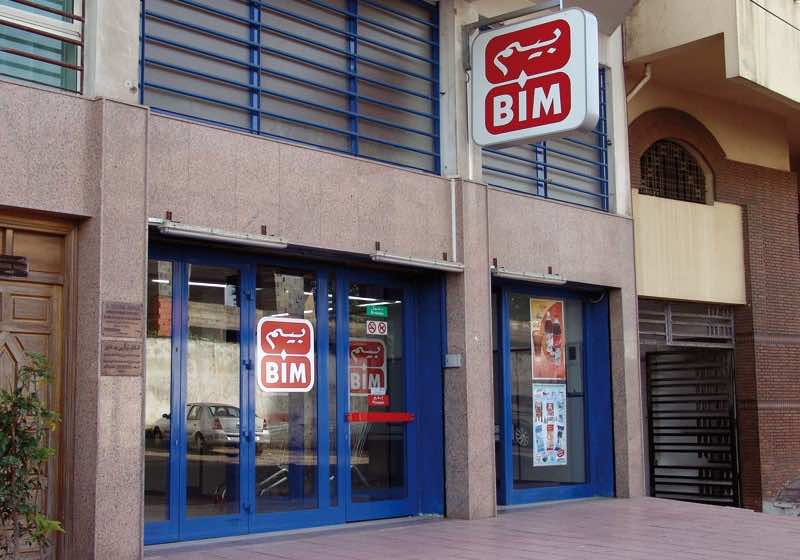
The comments concern specifically the Turkish discount store chain Bim, which has seen rapid expansion in Morocco. Bim currently operates more than 500 stores across Morocco, making the country the company’s second largest market after its home country of Turkey.
Moroccan experts and merchants had previously described Bim’s spread as “an invasion,” attributing the decline of Morocco’s small stores to the rapid spread of big foreign vendors in small traditional towns and neighbourhoods.
“When people have money, they visit Bim,” Mezzour said in a session while discussing the ministry’s budget. “When they don’t, they open credit with their local ‘hanout’ owner.”
With the presence of big actors threatening their businesses, most small vendors are left with no choice but to close and relocate, or transform their shops into another profession altogether, the minister added.
He said that his ministry could take a number of measures to reverse this trend, including limiting the opening hours of big stores, or alternatively helping the smaller sellers become more competitive through various means.
Concerns about the viability of the Morocco-Turkey FTA are not a new feature of the relationship between the two countries. Many in Morocco have long maintained that the trade deal does not benefit the North African country economically.
In response, Morocco’s government has in recent months taken measures to limit the prevalence of imported Turkish products in the country.
Most recently, in October 2020, Morocco’s Council of Ministers approved an amendment to the FTA between the two countries; the new – or slightly reviewed – agreement entails imposing custom duties on certain Turkish products.
Morocco’s trade balance with Turkey has experienced a deficit since 2006, when the agreement entered into force, which sparked a great deal of controversy in the North African nation.
Morocco’s deficit with Turkey had reached $1.2 billion as a result of the agreement, according to statements made last month by Moulay Hafid Elalamy, Morocco’s Minister of Industry at the time.
Although the ministry’s plan to combat the increasing presence of big foreign corporations in Morocco remains unclear at this time, Mezzour has stated that they intend to add to the measures that have been taken over the last few years.
The FTA with Turkey was signed on April 7, 2004 and entered into force in 2006, eliminating various barriers to trade such as tariffs. It also regulated other aspects of trade like intellectual property rights and state monopolies.
Morocco had threatened to walk away from the deal in 2019, over similar concerns that it is not economically beneficial to the Kingdom.