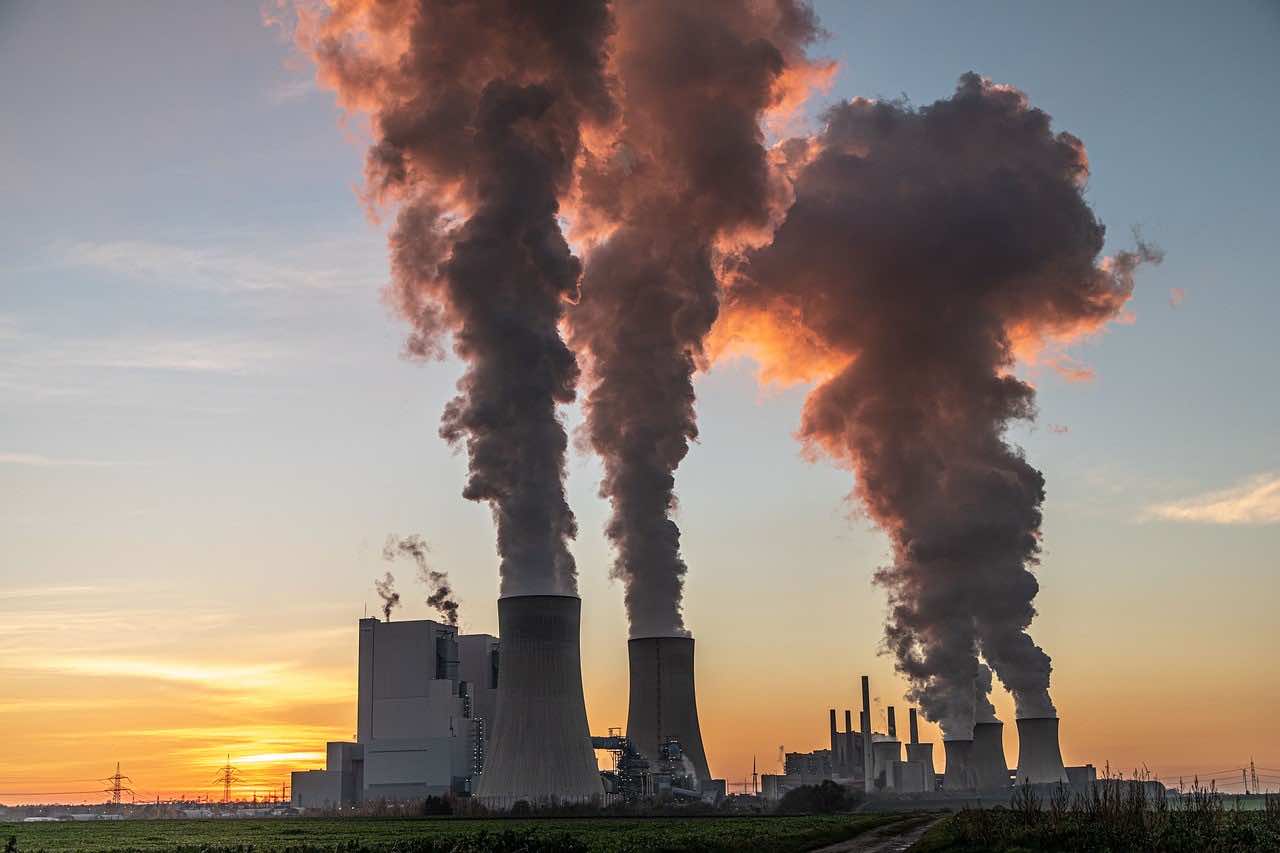
Rabat – A new report by the International Energy Agency (IEA) on December 17 warns that the world is set to break records in the use of coal in 2021. As one of the worst contributors to climate change, governments around the world continue to invest heavily in coal for power generation.
While COP26 organizers continue to insist the event “should give the world hope” regarding the climate crisis, countries continue to rely heavily on some of the worst drivers of climate change. Coal, often seen as a historical fuel associated with victorian-era trains and black and white photographs of dust-covered miners, is driving electricity generation in 2021.
In its press release accompanying the IEA’s “Coal 2021” report, the agency highlighted that the “sharp rebound” in coal power use is “threatening net zero goals,” in the same year as many global leaders first announced such ambitions.
“Rapid economic recovery is driving global coal power generation to a record this year,” the IEA highlighted, adding that the problem is only set to grow. In 2022, coal use is set to reach an “all-time high” the agency warned, highlighting an “urgent need for policy action.
In a year of lofty “net zero” commitments and long-term pledges, daily economic thinking appears to not take climate change into account. While few deny the threat of the ever growing climate crisis, global finance and economic structures dictate that investing in green technology now is a poor short-term investment with bountiful cheap coal available.
Investors continue to favor the short-term profits of fossil fuels, as they do not pay for the societal externalities, making such decisions the most risk-averse choice from a financial standpoint.
Additionally, many developing countries argue that Western countries used coal power for over a century to rapidly develop their industry and electricity generation. Developing nations now face both the cost of green tech investments and the worst consequences of the growing climate crisis.
India and China are often blamed for their use of coal, yet both the EU and the US are set to increase their coal power generation by 20% this year while Germany still relies on coal for 27% of its electricity generation. Similarly, 31% of Morocco’s electricity production comes from coal, according to 2019 data from Morocco’s National Electricity Office (ONEE).
Coal-based power generation is set to rise by 9% in 2021 to an “all-time high of 10,350 terawatt-hours,” according to the IEA’s Coal 2021 report. “Coal is the largest source of electricity generation, the second-largest source of primary energy and the largest source of energy-related CO2 emissions,” the report highlights
“This year’s historically high level of coal power generation is a worrying sign of how far off track the world is in its efforts to put emissions into decline towards net zero,” IEA Executive Director Fatih Birol commented.