Rabat – To build a social state, Morocco needs to include multiple social players representing the general public and putting citizens at the center of public policies, President of Morocco’s Economic, Social, and Environmental Council (CESE) Ahmed Reda Chami said in a statement today.
By ensuring Morocco’s private and public sectors have a seat at the negotiation table, Morocco can prevent the mayhem of protests, Chami argued.
Today, social dialogue in Morocco operates without a binding legal framework and remains vulnerable to political whims. Morocco must establish a comprehensive binding law to govern social dialogue that lives up to Morocco’s international commitments, Chami insisted.
To meet contemporary challenges, social dialogue in Morocco should extend its scope on gender inequality issues, labor rights, and working conditions, as well as addressing the minimum wage in the country, Chami elaborated.
State institutions should strengthen national unions and update laws governing unions to make the working class better represented. “Economic development can become real only with social peace, with citizens at the heart of public policies,”
Chami concluded.
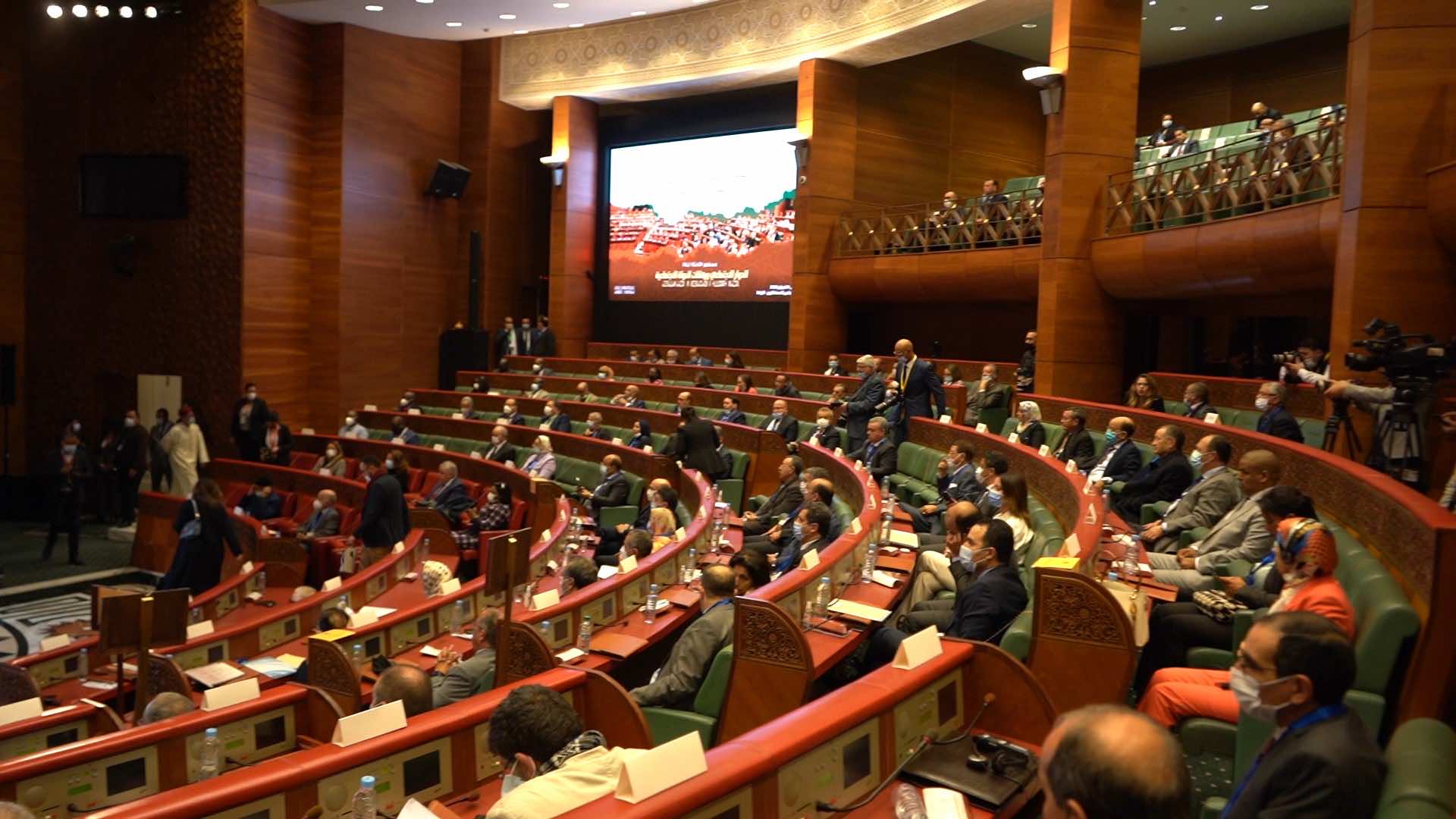
The statement was part of the opening session leading to the 6th meeting for social dialogue held in Morocco’s parliament. Morocco’s head of government, Aziz Akhaouch, also delivered a statement at the opening session, reiterating Morocco’s commitment to foster and encourage healthy social dialogue between state institutions and unions representing Morocco’s private and public sectors.
Opening a dialogue channel between state institutions, business owners, and the working class is critical for Morocco to build back better in the post-pandemic. “Morocco’s Social dialogue is neither a moral need nor a response to international calls, it rather anchors Morocco’s vision for an inclusive democracy,” explained Akhannouch.
A robust social dialogue promises to increase investment inflow in the country, create jobs, and support businesses to overcome the COVID-induced economic crisis, Akhanouch argued.
Morocco’s ambitions for social dialogue are embodied in King Mohammed VI’s speech delivered on the occasion of Throne Day. King Mohammed VI underscored the importance of social dialogue to boost business competitiveness and support consumer purchase power, the official recalled.
Morocco is banking on social dialogue to solve a number of crucial issues, including high unemployment rates, low consumer purchasing power, and a sub-optimal social safety net.
Executive Secretary of the Arab Trade Confederation Mustapha Tlili also delivered a statement during the opening session stating that the Arab world is in dire need of a local success story.
Morocco is well-poised to deliver an exemplary model for a successful social state founded on effective social dialogue, Tlili explained.
Read Also: Education Ministry, Unions Ink Deal to Improve Human Resources