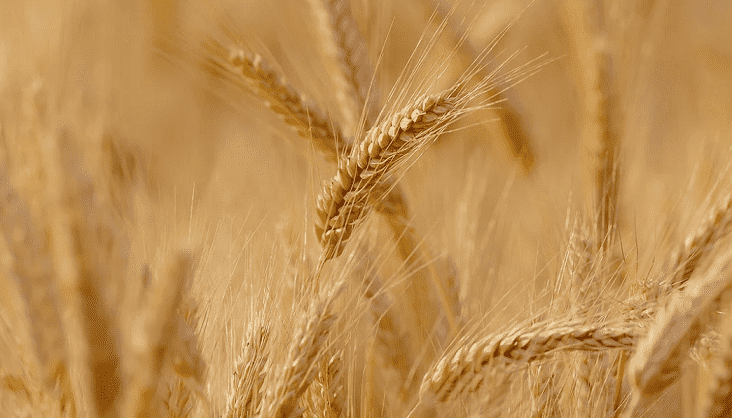
Rabat – Geopolitical tensions coupled with COVID-induced disruptions to the global supply chain have sent grain prices soaring, prompting Morocco’s government to take a number of measures including increasing subsidies for grain.
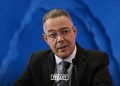
“The government had to take a series of measures including canceling taxes of imported wheat in 2021 and 2022 to mitigate the effect of rising grain prices on Moroccan consumers” Morocco’s Deputy Minister to the Finance Ministry, Fouzi Lakjaa, explained in a February 17 press conference.
Despite losing MAD 550 million ($58.6 million) in import duties, the measure was not enough to bring grain prices down, leading the government to bolster subsidies for grain. The budget allocated for subsidies rose to MAD 3.2 billion ($340.8 million) in 2021, MAD 2 billion ($213 million) more than pre-pandemic levels, reckoned the official.
With transport fees on the rise, public spending on subsidies in Morocco is showing no sign of slowing down, as grain subsidies are expected to reach MAD 3.8 billion ($404.8 million) throughout 2022, according to the official.
In addition to COVID19 related disruptions and geopolitical tensions in Eastern Europe, drought is likely to further strain grain prices on the national market.
Rainfall in Morocco is reaching record-low levels, resulting in the worst drought to occur in 30 years, threatening the year’s grain yield this year.
With few exceptions, agriculture in Morocco largely relies on rainfall, making it especially vulnerable to adverse weather.
Climate change has exacerbated the trend of droughts in Morocco. The country currently on average faces drought every two or three years, up from once in a decade in the 1990s.
Increased public spending is likely to burden Morocco’s trade deficit as the country is forced to import more grain, reckons the report.
Read Also: Morocco’s Rainfall Is at a Record Low