 Join on WhatsApp
 Join on Telegram
Rabat – Morocco’s central bank, Bank Al-Maghrib (BAM), has called for speedy reforms and the establishment of a state investment fund to counter the effects of the ongoing drought that has impacted the country’s economy significantly.
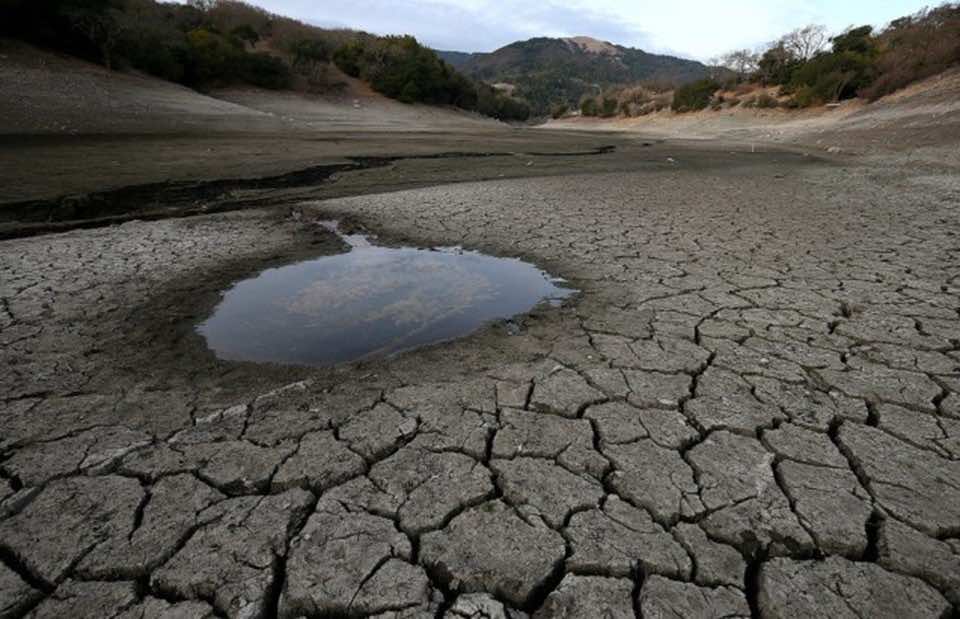
Morocco’s rainfalls this year have hit a record low, and the country’s agriculture sector continues to suffer from the worst drought recorded in over 30 years.
The drought is set to affect Morocco’s economic growth, Abdellatif Jouahri, Governor of the central bank, said on Tuesday. The national economic growth, which was projected to reach 7% this year, might not surpass 3.5% as a result of the lack of rainfalls, Jouahri warned.
The BAM chief said that the number is below the level of growth Morocco needs to improve the lives of its citizens and create adequate employment opportunities.
Jouahri stressed the importance of launching measures to reduce inequality, calling for the creation of an investment fund to mitigate the effects of the ongoing drought and implement reforms to combat a similar situation in the future.
Morocco’s Minister of Agriculture, Mohammed Sadiki, has also expressed concern over the drought, warning that this year’s low rainfall could result in Morocco’s worst agricultural output in decades.
The government has previously stated that it will put in place programs to mitigate the effects of the drought for agriculture workers, but calls have been amplified lately as Morocco appears to run out of time to rebound from the severity of the drought.
Read Also: Delayed Rainfall Prompts Calls For Urgent Government Meeting
Recent reports have indicated that Morocco faces a severe drought once every 3 years, in contrast to figures from the 1990s, when the country experienced drought once every 10 years.
Along with spikes in food prices caused by the COVID pandemic, the notable drop in rainfall levels have raised alarm bells amid signs that Morocco will likely have to depend more on imports to satisfy its food needs.
Mohamed-Saïd Karrouk, professor of climatology at Hassan II University in Casablanca, explained that the drought is “the result of a formation of an equatorial ridge above North Africa and South-West Europe.”
The ridge, according to Karrouk, has “prevented the condensation of downward flows,” thereby affecting Morocco’s rain levels this year.
Karrouk also said that the region where Morocco is situated has long been characterized by recurring droughts, meaning that the government has to treat the situation as inevitable and put in place measures and programs to mitigate the effects when they do happen.