Rabat – Members of the Executive Board of the World Food Program (WFP) have unanimously re-elected Morocco to coordinate the UN program’s African Group.
Previously elected in December 2020, Morocco will reiterate its commitment to the organization’s objectives and the interests of African countries.
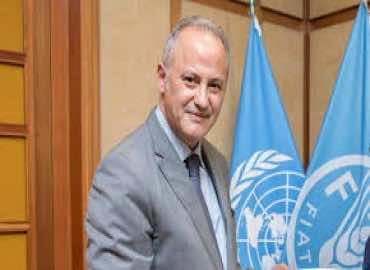
Morocco’s Permanent Representative to the UN Agencies in Rome, Ambassador Youssef Balla, will overshadow the tasks.
Through this position, Morocco seeks to promote Africa’s interests and concerns within the Bureau and the Executive Board to advance the development of the continent, reduce its dependency, and promote positive local economic dynamics, reported Morocco’s Press Agency (MAP).
“As coordinator of the African Group, Morocco will be the voice of African countries and of their interests in the Bureau. It will contribute to the smooth flow of information, as well as the collection of opinions from List A members while working to promote consensus on decisions,” MAP added.
Ambassador Bella will also prepare and update the Biennial Program of Work for 2022 and 2023.
Read Also: Moroccan Minister: ‘Food Security is at the Heart of Green Generation Strategy’
WFP is “the world’s largest humanitarian organization” dedicated to the use of “food assistance to build a pathway to peace, stability and prosperity for people” impacted by conflict, climate change, and disasters.
In 2020, the program received the Nobel Prize for assisting 115.5 million people on the edge of famine in 84 countries through the distribution of nutritious meals and other aid.
The organization has developed and implemented strategic plans in several countries to consolidate food security and social protection across the globe.
In 2019, WFP launched the “Morocco Country Strategic Plan” for 2022 to support Moroccan efforts in fighting extreme poverty and hunger and reducing the number of people facing extreme poverty and food poverty to almost zero.
The plan supports the country’s National School Meals Program as part of Morocco’s nutrition strategy for 2011–2019 and its 2030 vision for education sector reform.
Read Also: Private Schools to Benefit from Mohammed VI Foundation Social Services