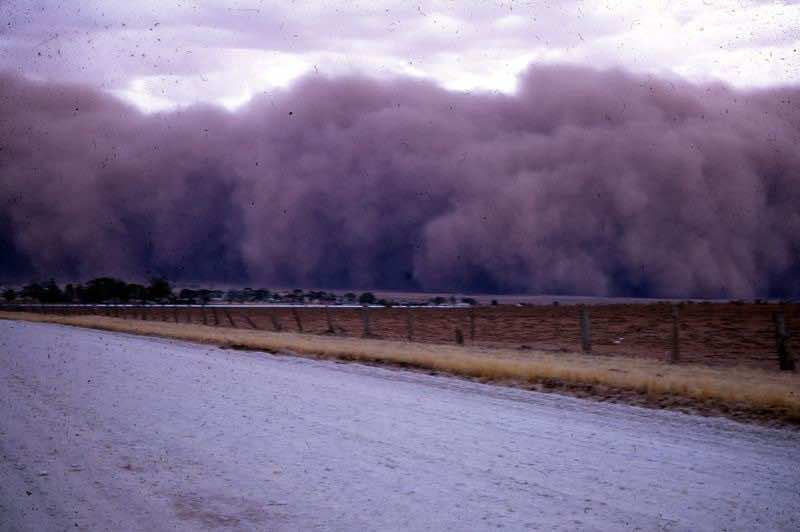
Rabat – Saudi Arabia’s capital Riyadh has been veiled in a dust storm for over 35 days in the past four months, threatening the health of thousands.
Riyadh is not the only Gulf city sinking in sand storms. While the region is no stranger to sand dust, the current global climate crisis is causing these natural phenomena to occur more frequently, according to a report from the Guardian.
Intense sand storms pose a significant health hazard to the population. Since early April, dust storms have put local hospitals in Iraq and Syria on high alert as they braced to receive thousands of cases of people suffering from respiratory issues.
So far, the storms resulted in four deaths in Iraq and Syria, the report points out.
Some local governments have gone as far as to declare a state of emergency, with Iraq closing schools and offices to shut down temporarily.
The intensity of the recent dust storms prompted Kuwait to halt air traffic, while Saudi Arabia and the United Arab Emirates released national alerts.
The storms affect some parts of the region more than others. In particular, Northern Iraq has been hit the hardest by these natural calamities. Since March, sandstorms have hit the area almost every week, the report indicates.
As climate change intensifies, so does the frequency of sandstorms. The region is set to face an average of 300 days of dust a year by 2050. The region’s worst record in the past four years has been 48 days in 2019, according to data included in the report.
Sandstorms can cause a myriad of respiratory health issues and cause damage local agriculture as it reduces crop yields. In addition, sandstorms in the region contribute to the devaluation of property.
According to data from the United Nations reported by the Guardian, the storms cause the region’s economy to lose $13 billion annually.
Read Also: Climate Change Will Shrink Morocco’s Argan Industry