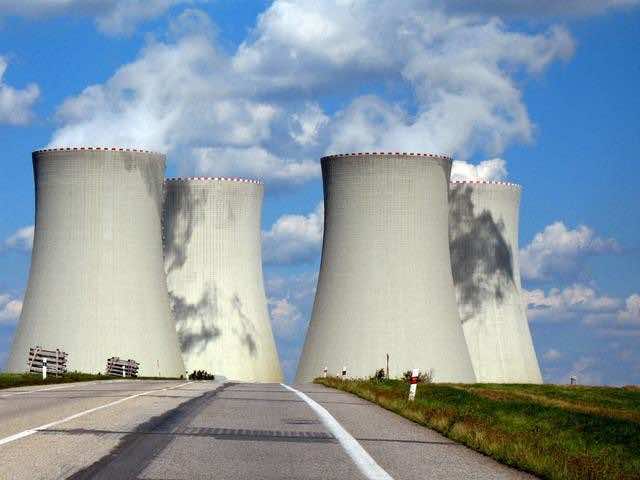
Rabat – Morocco is reportedly considering the construction of a nuclear reactor plant in line with the country’s strategy to transition to greener modes of energy and improve its energy sovereignty.
The North African kingdom is mulling over the possibility of inaugurating a nuclear reactor, increasing its reliance on green energy sources, according to official sources quoted in converging media reports.
Morocco started studying the feasibility of a nuclear reactor in 2015. The country’s parliament is set to deliberate on the resulting report in the course of this year, Morocco’s Energy Transition and Sustainable Development Minister, Leila Benali, said on Wednesday.
The report presents a set of recommendations that would support Morocco’s launch of a nuclear energy plant, Benali added.
In addition to providing an overview of the feasibility of the project, the document covers the basic “framework and infrastructure” in which the country should invest to bring the project to life.
The document equally offers recommendations about the proper regulatory framework that would support the industry.
After investing in capital-intensive wind and solar energy generating projects, Morocco is now turning to nuclear energy to ensure its future energy security. “We now need a national stance to initiate producing electricity from nuclear energy,” Benali explained.
Despite efforts to guarantee national sovereignty in energy, Morocco remains largely reliant on energy imports. The country imports 90% of its annual energy needs.
With energy prices soaring, Morocco’s reliance on energy imports will likely cause a spike in the country’s exterior trade deficit.
As of 2022, nuclear reactors are the most powerful source of energy, with the highest capacity factor – a measure of energy input – across the board.
While solar energy’s capacity factor is at 24.9%, nuclear energy’s capacity factor is set at 92.5%, dwarfing natural gas’ 56.6%.
However, nuclear plants pose a significant environmental risk if not managed properly.
Nuclear plants produce radioactive waste, which can remain radioactive and lethal to human contact for over a millennium.
Read Also: Energy Security: Morocco to Buy Liquified Gas for the First Time