 Join on WhatsApp
 Join on Telegram
Rabat – In response to Algeria-promoted claims on the recent tragic events in Melilla, sources speaking on condition of anonymity have denied that Sudan summoned the Moroccan ambassador to Khartoum.
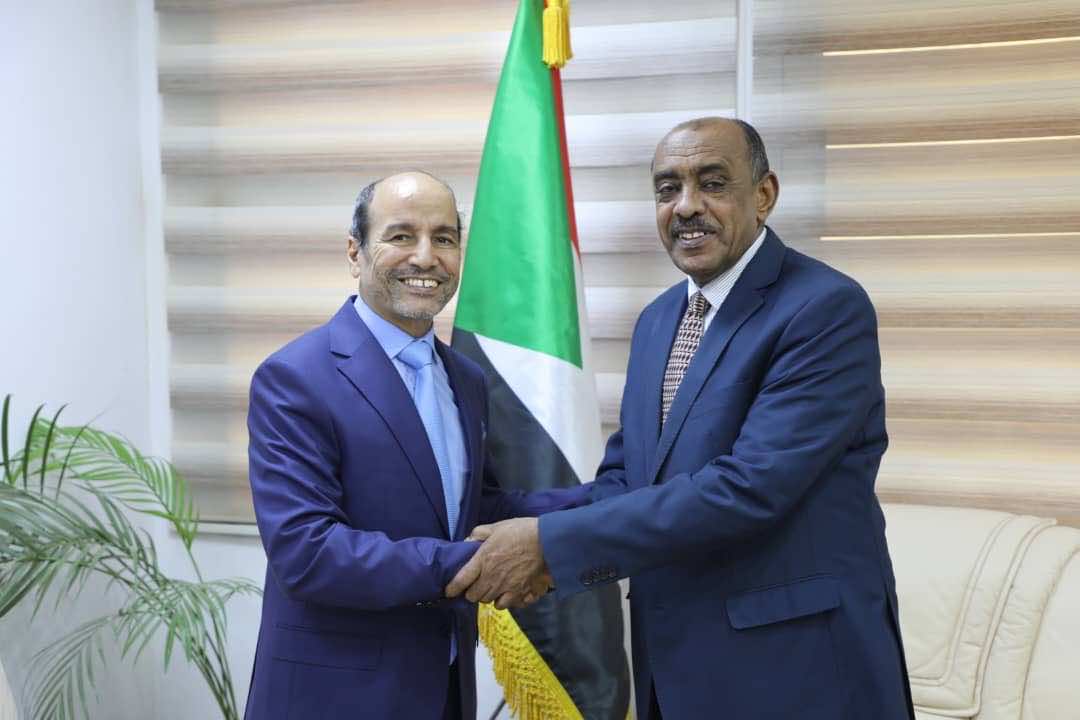
The response came to deny fake news Algerian social network pages shared on a recent meeting held between Sudan’s Foreign Affairs Minister and Morocco’s ambassador to Khartoum.
The sources told Morocco World News that the meeting on July 7 between the two diplomats was at the request of Morocco’s ambassador.
During the meeting, the two officials discussed the distinguished level of bilateral ties between the two countries, as well as means to further strengthen ties in all fields.
“The Sudanese Foreign Minister praised the humanitarian approach taken by the Kingdom of Morocco to manage the migration file with wisdom,” the sources said.
Rumors and accusations intensified following the Melilla event, during which 23 irregular migrants died during stampedes.
The tragedy took place on June 24, when over 2,000 migrants attempted to cross the fence between the Spanish enclave of Melilla and Nador, in Morocco’s oriental region.
The incident saw violent clashes between the migrants and police forces.
Algerian media have been among the outlets that have heavily criticized Morocco’s migration approach, although investigations are ongoing to shed more light on determine the circumstances of the Melilla tragedy.
In response to the accusations that Morocco used violence against the migrants, the Moroccan government said the storming of the fence near the Spanish enclave was premeditated and planned.
Describing the Melilla event as unprecedented, government spokesperson Mustapha Baitas said on Thursday that the irregular migrants used methods involving enormous violence against border guards.
In response to criticism, the official said that it is early to jump to conclusions as investigations are ongoing.
He recalled that Morocco’s National Human Rights (CNDH) sent a delegation to launch an exploratory mission in Nador regarding the latest events.
Spain and the EU have both backed Morocco’s efforts to tackle irregular migration. The Spanish and the EU Commissioner for Home Affairs have pointed fingures at mafias and human trafficking networks for the crisis.
Many African countries joined the support campaign for Morocco’s efforts against human trafficking, calling for the urgent need of a shared commitment and responsibility against mafias and networks operating in the illegal practice.
Read Also: Melilla: African Ambassadors Back Morocco’s Migration Policy Amid Accusations