Rabat – The recently approved US State and Foreign Operations (SFOPs) bill for 2023 presents several opportunities for Morocco, including climate spending and potential arms sales.
SFOPs is a non-defense spending bill by the Senate Appropriations Committee that provides discretionary spending for non-military US foreign policy with recipients varying from democracy-promoting programs, to peacekeeping missions, refugee assistance and international educational programs.
The appropriations in the bill fund key programs, and this year’s edition garnered 6800 requests for funding from a variety of programs and organizations. Appropriations are an important part of US policy making, as the division of funding highlights national priorities and points of focus for the government.
Iran, Morocco and air defense
The bill, put forth by the Senate Appropriations Committee originally had not included references to potential military support for Morocco, but this changed because of the 2022 “Deterring Enemy Forces and Enabling National Defenses Act of 2022” (DEFEND Act of 2022)
Introduced by Republican Senator Joni Ernst, the DEFEND Act calls on the US Secretary of Defense to “ seek to cooperate with allies and partners in the Middle East to identify an architecture and develop an acquisition approach,” in order to counter specifically Iranian “cruise and ballistic missiles, manned and unmanned aerial systems, and rocket attacks.”
The original act specified GCC members, Iraq, Israel, Jordan and Egypt as the countries eligible for support, but added that the Secretary of Defense could add “other regional allies or partners of the United States” to this list.
Due to the provisions of the DEFEND act, the SFOPs bill’s section on Foreign Military Financing was amended and now included both Sudan and Morocco in its list of countries eligible for support in the bill’s explanatory statement.
The support the DEFENSE ACT envisions relates to building Israeli-led architecture of “integrated air defense networks” with the specific mission to “counter missile and unmanned aircraft systems attacks by Iran and proxies of Iran.”
Bolstering Moroccan air-defense
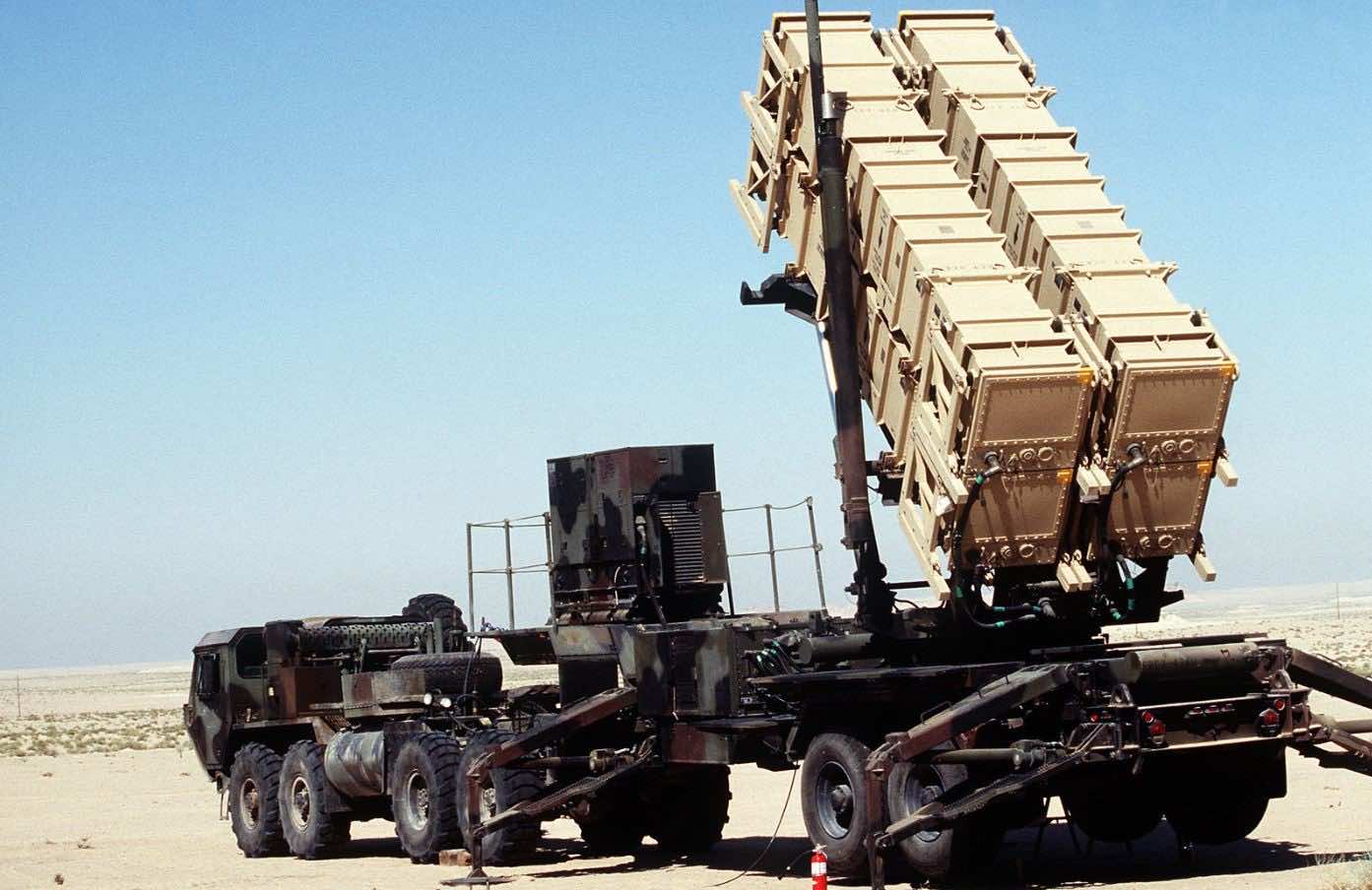
For Morocco, which already uses the US Patriot missile system, France’s VL Mika short-range system and Israel’s Barak MX air defense system, the addition could mean access to even more advanced weapon systems that were previously unavailable for the North African kingdom.
Morocco is rapidly expanding its air-defense infrastructure, in particular with a new air defense base near its capital Rabat. The Eurasian Times recently speculated that the new base is likely to host Morocco’s Israeli and US air-defense systems, as well as its Sky Dragon anti-air missile system, a weapons system purchased from China in December 2017.
The unique mix of American, French, Israeli, and Chinese weapons systems provide Morocco with a varied arsenal of missile systems that can defend against a plethora of military threats, including missiles, drones and airplanes.
Any new funding through the DEFEND Act additions to this year’s State and Foreign Operations bill is only set to further bolster these capabilities, and possibly link Moroccan missile systems into a regional air-defense infrastructure led by Israel.
Embassies, consulates and climate funding
The 2023 SFOPs does include sections that Rabat would prefer to see removed in next year’s bill. While the bill calls for the construction of three new embassies in Vanuatu, Kiribati, and Tonga, it expressly bars spending on a US consulate in Western Sahara.
This section shows the power of appropriation bills, as it specifically delays a key part of the 2020 quid-pro-quo deal that saw the US recognize Morocco’s sovereignty over the Western Sahara region in exchange for its normalization of relations with Israel. At the time, US President Donald Trump had pledged that the US “will open a consulate in the Western Sahara territory, in Dakhla, to promote economic and business opportunities for the region.”
However, Rabat’s rapid implementation of the Abraham Accords agreement, and its current multi-faceted collaboration with Israel, has meant Morocco likely has little leverage beyond lobbying in Washington DC left to correct this yet-to-be fulfilled promise.
The bill does however call for the expansion of the Abraham Accords. Specifically, it urges US President Joe Biden to “support broadening and deepening participation in the Abraham Accords, or other normalization agreements.”
Still, Morocco is set to benefit from other sections of the bill as it appropriates $1.6 billion to the Green Climate Fund (GCF), a fund that invests in, among others, Moroccan climate change-related projects.
The GCF currently spends $220 million in Morocco on 10 ongoing projects that range from water security, sustainable argan cultivation to public-private green investments in the country.
Altogether, the 2023 SFOPs holds much promise for Morocco, although it does not specify details on the extent of DEFENSE Act support, or Morocco’s share of the new GCF funding.
More information should become available soon, as the DEFEND Act states that “not later than 180 days after the date of the enactment of this Act, the Secretary shall submit to the congressional defense committees a strategy on cooperation with allies and partners in the Middle East.”