

 Join on WhatsApp
 Join on Telegram
Rabat – Moroccan director Mohammed Abderrahman Tazi’s newest film, “Fatema, the Unforgettable Sultana,” depicts the life of Moroccan feminist writer and sociologist Fatema Mernissi, as well as her well-grounded academic legacy.
The film highlights Mernissi’s prominent academic and sociological contributions to defending gender equality and promoting moderate Islam. Her books, which tackled the intersections between gender, power, and Islam, largely contributed to the development of feminism in the Muslim world.
The film, which will release on September 28 in Moroccan cinemas, will also compete at the National Film Festival in Tangier, which will take place between September 16 and 24.
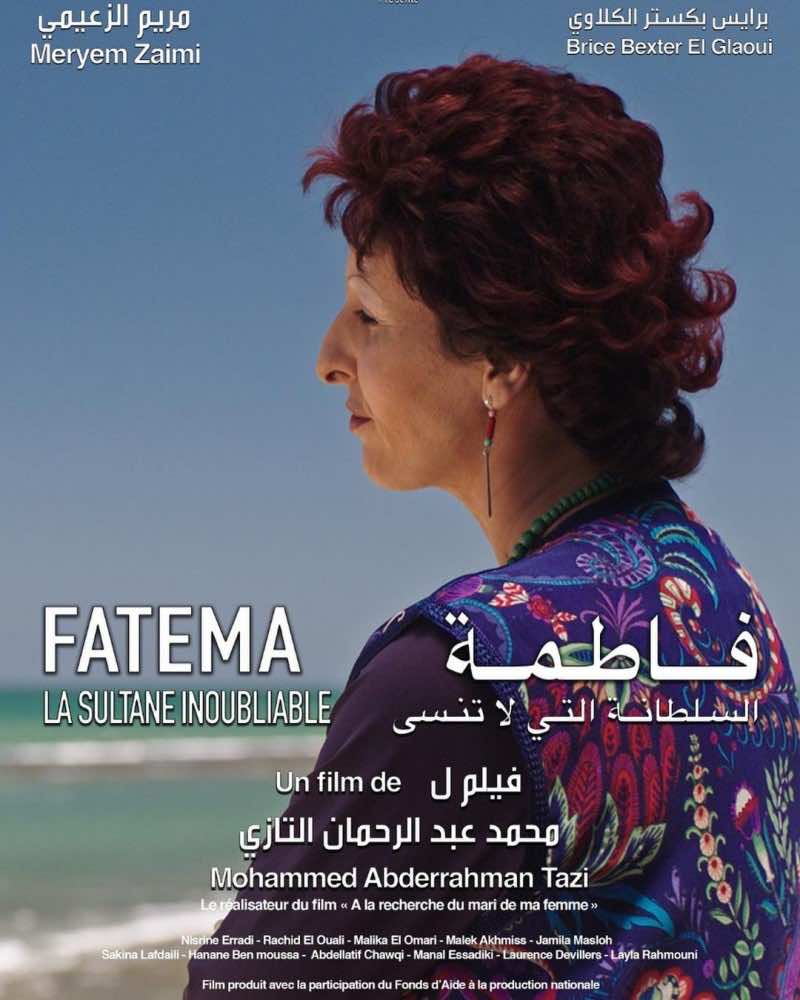
Prior to the official screening, the film will be shown at the festival on September 17 at the Roxy Cinema. The event will be an opportunity to pay tribute to the works of Tazi, two of whose films, “Images Thieves” and “The Great Travel,” will be screened.
The director’s film on the intellectual and cultural legacy of Mernissi was first screened on March 8 with a limited audience in celebration of International Women’s Day.
In an interview with the 2M TV channel, Tazi said that before Mernissi passed away, he had plans to dedicate one of his works to her, but she “humbly refused,” saying: “It’s my books that are important, not my person.”
‘An extraordinary woman’
The Moroccan director added that he made the film on the iconic Moroccan essayist only after realizing that he needed to make a film to honor such a prominent Moroccan figure. It is “unfortunate to lose artists, writers, and politicians who disappear without leaving an audiovisual trace,” he said.
Tazi described Mernissi as “an extraordinary woman,” saying that she dedicated her entire life and work to “three important themes — feminism, Islam, and modernity,” all are elements the movie focused on.
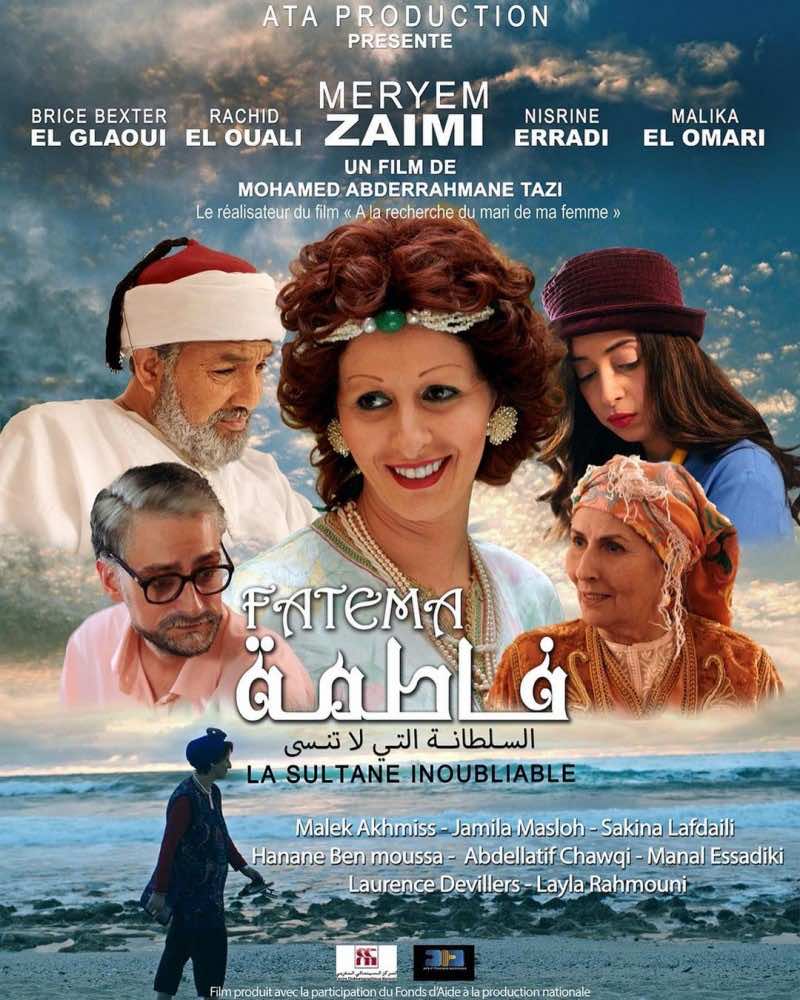
Mernissi was born in 1940 in the Moroccan city of Fez, where she grew up. In 1957, she studied political science at Sorbonne University in Paris and later at Brandeis University in the United States, where she received her Ph.D.
Read also: JATwJABT: Feminist Platform Revolutionizes Digital Activism in Morocco
In 1974, the pioneering Moroccan feminist returned to Morocco to work as a professor at the Mohammed V University until 1981. She taught several subjects, including family sociology and psychosociology.
Described as an Islamic feminist, she published several works, which had a large influence, including Beyond the Veil, The Veil and the Male Elite, Islam and Democracy, and Dreams of Trespass. While her work received international acclaim for tackling daring, taboo topics, Mernissi also faced immense criticism for her interpretation of and approach to Islam.
Mernissi died in 2015 at the age of 75, leaving behind a rich intellectual legacy.