Rabat – Wednesday saw a new milestone in Morocco’s African diplomacy to bolster support for its sovereignty over Western Sahara, when Kenyan president William Ruto declared that Kenyan recognition of the separatist Polisario front will be revoked.
The announcement seemed confusing to some, considering that Kenya has always maintained a vague and even slightly pro-Polisario stance. It has already attracted some criticism, such as from the country’s communist party.
However, the decision is not a surprising one to those familiar with Ruto’s history and his stance on the issue. The Kenyan politician has always expressed a clear opposition to the separatist entity’s presence in Kenya.
Consistent opposition
In March 2021, Ruto expressed support for Morocco’s Autonomy Proposal, which continues to gain international support as the best solution to end the conflict. “The representation of the Polisario in Nairobi makes no sense,” then Vice-President Ruto said.
The politician also commented on Algeria’s involvement in the conflict, calling it “an excuse to allow Algeria to continue to squander the wealth of its people on lost causes.”
“The creation of a separatist state in the south of Morocco is only a fantasy nourished by those who love neither peace, nor unity, nor prosperity for African countries,” he added.
The current president also held fast that the conflict stands in the way of uniting Africa, emphasizing that the African Union should ensure that the territorial integrity of all its members is respected.
Therefore, it comes as no surprise that the newly elected president would continue to support the Moroccan position expressed during his vice presidencial days.
Samir Bennis, political analyst and Morocco World News editor-in-chief, argues that the policy shift represents a natural evolution, and that it’s the result of the significant diplomatic efforts that Morocco has been engaged in over the past few years.
“This is a normal and natural evolution for this president who already had this stance when he was vice president,” Bennis said. “It’s considered a result of the work that Morocco has been putting in for years.”
Ruto’s support of the Moroccan stance even led to a divide, during Ruto’s time as vice president, since the Kenyan president at the time held on to a Polisario-supportive stance.
Read also: Western Sahara: Kenya’s Evolving Position Displays Internal Divide
The tweet’s deletion
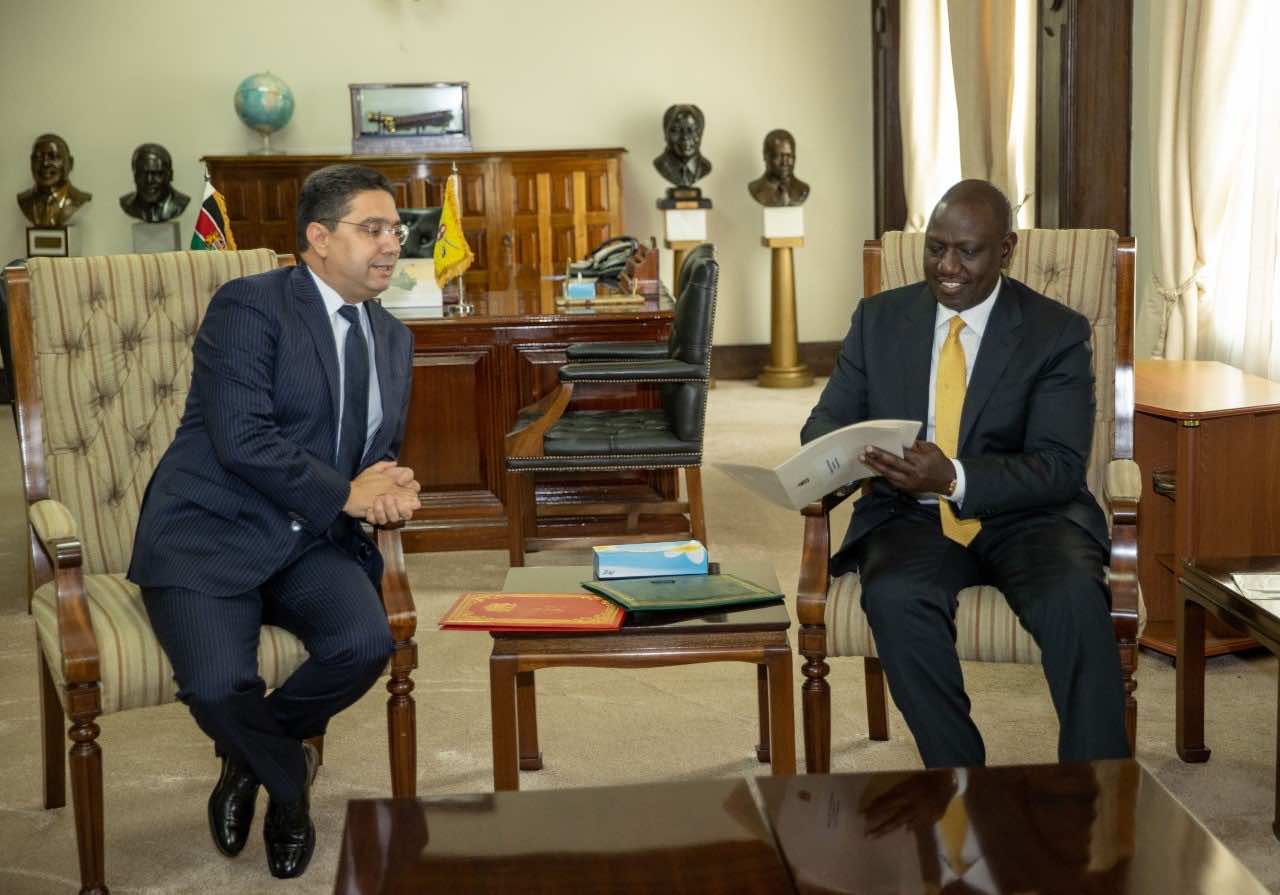
In a since-deleted tweet, Ruto said he would take steps to reduce the presence of the Polisario in his country, following a meeting with Moroccan Foreign Minister Nasser Bourita.
“Kenya rescinds its recognition of the SADR and initiates steps to wind down the entity’s presence in the country,” the tweet read.
And while the tweet’s deletion led some to be skeptical of the veracity of Ruto’s position, Bennis does not see it as a sign that his stance is changing.
“Since he said that Kenya is committed to the centrality of the UN’s political process, that signifies a denial of the recognition of the Polisario’s paper state,” Bennis said.
“All the states that host the Polisario cancel out the political process,” he added, saying that the entity’s presence in some countries sends a message that invalidates the UN’s framework.
Another indicator that Ruto’s newfound position is here to stay can be found in the already existing opposition within Kenya.
The Communist Party of Kenya released a statement on Thursday, condemning the presidential decision and expressing “solidarity” with the Sahrawi people.
While the statement says that Ruto’s tweet and remarks do not carry any legal power, the strong opposition is an indicator that the country’s stance is truly shifting, after historically supporting the Polisario.
For Bennis, all these developments signify that it is only “a matter of time” before the Polisario abandons its presence in Kenya.