


 Join on WhatsApp
  Join on Telegram
 Rabat – Morocco’s Princess Lalla Hasnaa, daughter of the late King Hassan II, has highlighted the North African country’s strong commitment to lead climate action in Africa, particularly the three climate commissions that King Mohammed VI launched when Morocco hosted COP22 in 2016.
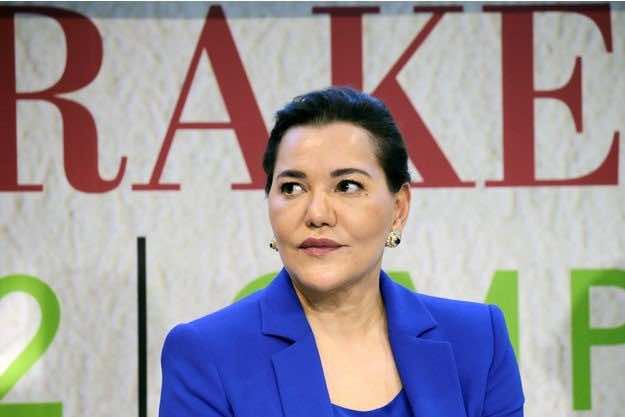
Lalla Hasnaa promoted Moroccan climate action in her statement on Wednesday, in Sharm el-Sheikh, Egypt, which is currently hosting the 2022 United Nations Climate Change Conference (COP 27). She chaired a side-event under the theme “Climate Finance at the center of the operationalization of the Congo Basin Climate Commission and the Blue Fund for the Congo Basin.”
The event was attended by representatives from the three Climate Commissions for the African Island States, the Congo Basin, and the Sahel.
“The Kingdom of Morocco, as a founding partner country, and above all as a supportive African member of the region, is resolutely committed to contributing to the achievement of the objectives set at the first Brazzaville Summit and the concrete actions recommended since then,” Lalla Hasnaa said.
The Moroccan princess extended her thanks to the participants in the event, praising their “commitment to contributing to the success of the essential and virtuous project” that brought them together at COP27.
“Africa can rejoice today,” she emphasized, explaining that the continent has “taken tangible steps” and achieved significant progress.
Read also: Youth Unite to Defend Climate Cause in COP 27 Amid Global Uncertainties
However, Lalla Hasnaa highlighted the need for financial and technical support to help them mitigate the effects of climate change for the people living in the African Island States, the Congo Basin, and the Sahel region.
She called on all of Africa’s partners to accelerate efforts to secure funding from climate financing mechanisms, adding that financing remains a major challenge for environmental projects in Africa.
“It is high time to act concretely and effectively,” Lalla Hasnaa concluded, highlighting the current global context and its effects on energy and food security.


