Rabat – Gathering a group of Gen Z entrepreneurs and angel investors, the panel discussions in Al Akhawayn University’s (AUI) Entrepreneurship Weekend shone a light on the needs of student and recently graduated entrepreneurs in the ecosystem.
Described as the first of its kind to bring together young entrepreneurs and investors, the panel aimed to not only examine the needs of Generation Z entrepreneurs, but also to let them express those needs themselves.
Generation Z is defined by the event organizers as people born between 2001 and 2020, and who have been shaped by access to technology from a young age, the Great Recession, and life after 9/11.
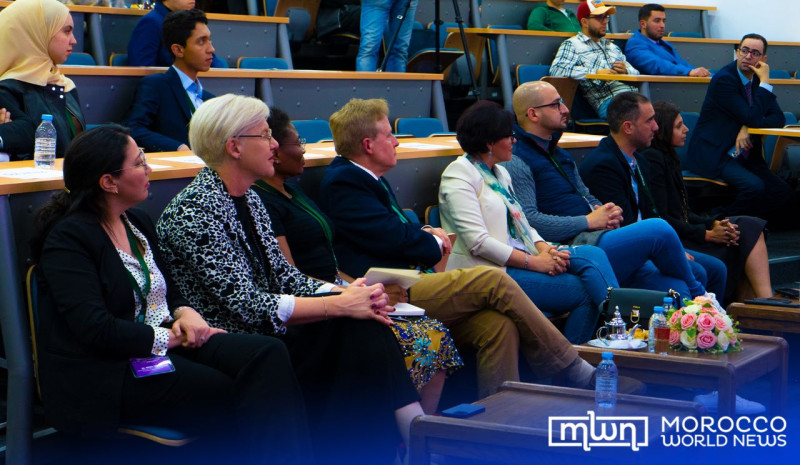
Investors, entrpreneurs, and faculty members at AUI’s Gen Z entrepneurship panel.
For such young people who value individuality and new technologies, the world of entrepreneurship seems like a no-brainer, but according to them, investors and the entrepreneurship ecosystem in general are not completely responding to their needs.
Risk aversion
Opening the event at AUI’s Ifrane campus on Thursday, AUI President Amine Bensaid highlighted the biggest challenges facing entrepreneurship in Morocco, the most significant of which was risk aversion among the population’s youth.
“It turns out to be the biggest challenge for Moroccans in entrepreneurship,” Bensaid said, referring to the need for a change in the mindset of young entrepreneurs and students.
Bensaid said that the persistence and perseverance usually required of entrepreneurs is lacking, recalling a joint project between AUI, the Mohammed VI Polytechnic University (UM6P), and the Massachusetts Institute of Technology (MIT).

AUI President Amine Bensaid.
In the project, the president recalled, Moroccan students were extremely creative with their ideas but could not move with them once they encountered a hurdle, whereas the MIT students had one idea that they stuck with from beginning to end.
The need to reshape the mindset is vital for the creation of more projects and jobs, as Bensaid pointed to the number of college graduates each year outpacing the number of jobs created.
“If Morocco does not find a way to create jobs, you have a little big of a socio-economic time bomb,” he said.
The role of academia
Capitalizing on the event, a panel consisting of four young entrepreneurs highlighted what they feel universities and the world of academia can do to better cater to their needs.
A prevalent theme was the necessity for students who wish to start their projects to fail and make mistakes.
Abderrahim Hamidine, Founder of the Startup Olympus Incubator 2021, stressed the importance of such an environment, and the university’s role in providing it.
“Academia needs to go along with entrepreneurship,” he said, adding that many viable business concepts started as ideas for classes or other academic projects.
The same idea was echoed by Malika Bounaga, an AUI alumni who launched her project “Bento” while at the university.
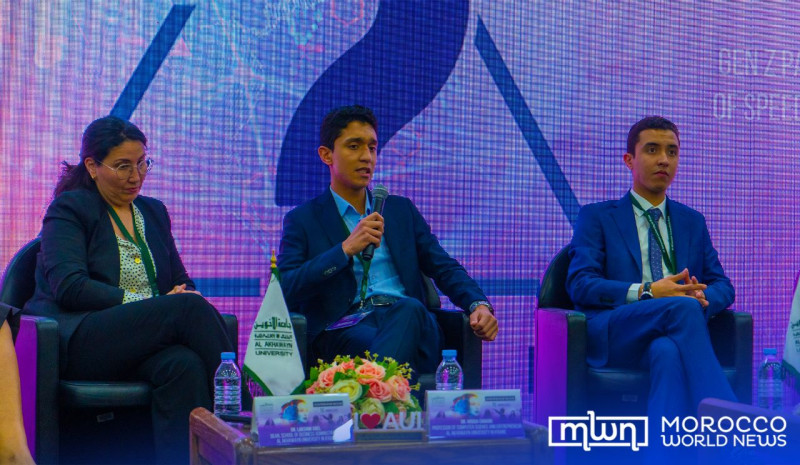
The Jaafari brothers launched Annarabic, a language recognition tool for Arabic dialects.
Faculty can be great mentors to their entrepreneur students, the entrepreneur said, adding that business classes can provide better representations of the real entrepreneurship world.
“Maybe it would help make it easier for us to have classes that talk about entrepreneurship, but have that real world features of entrepreneurship,” Bounaga noted, stressing that many classes lack the real application angles.
For Ahmed Jaafari, who launched language recognition company Annarabic, there needs to be more trust put in entrepreneurs as well.
Jaafari decried the fact that many entrepreneurs – especially young ones – are unable to effectively spend the funds they get from investors or cash prizes due to the amount of red tape and bureaucracy that they face.
Bureaucratic hurdles were cited by many participants as some of the biggest obstacles to starting new projects by other entrepreneurs and small business owners.
Ali Jaafari, who also works on Annarabic, also highlighted a lack of time and opportunities for students, as entrepreneurs would naturally need more time to look after their projects.
“AUI should recruit more young entrepreneurs and bring value to the university,” he said.
‘A breeding ground’ for entrepreneurs
The panel also saw participation from AUI’s School of Business Dean, Lakshmi Goel, who commented that today’s universities should strive to be a “breeding ground for entrepreneurs.”
Goel also said she sees universities as microcosms of the real world, as opposed to them being the opposite of it.
The business school dean also highlighted four reasons why she sees the institutions as such, with the foremost of them being that university is the time during which students have the most time to flesh out their ideas.
Universities also allow young people to interact with different opinions and identities, during a time where many Gen Z students and/or entrepreneurs could find themselves trapped in social media echo chambers.
“Universities allow you to meet new people and hear the same idea from different perspectives,” she detailed.
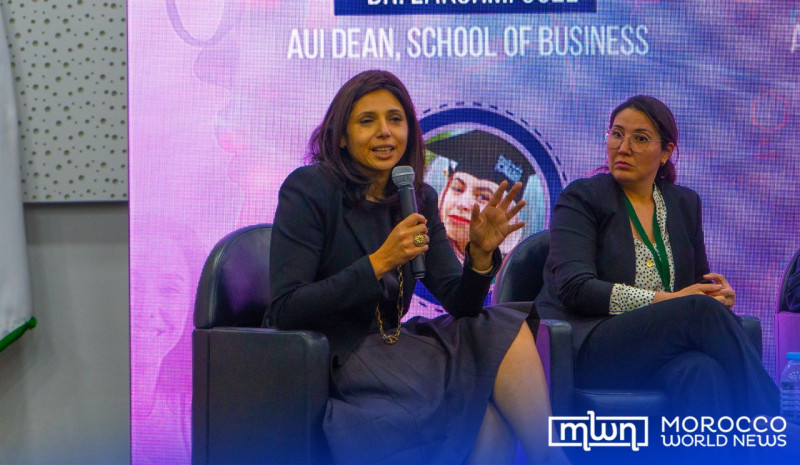
AUI Business School dean Lakshmi Goel.
They can additionally help to provide a much sought-after path to market, as well as easier access to funding. Goel pointed to the example of the US, where the federal agencies often responsible for funding small businesses can often be found on university campuses.
Finally, she highlighted the role that a university can play in networking, and how important that can be in advancing an entrepreneur’s idea.
Even in the cases of wildly successful businessmen who dropped out of college such as Mark Zuckerberg and Bill Gates, both were only able to start their businesses by using the connections they had gained at their respective universities.
Entrepreneurship Weekend is a yearly event organized by AUI for the benefit of its entrepreneurs and aspiring business students. In addition to the panels, the weekend-long event includes mentoring sessions by experienced businesspeople and investors, as well as workshops.