 Join on WhatsApp
 Join on Telegram
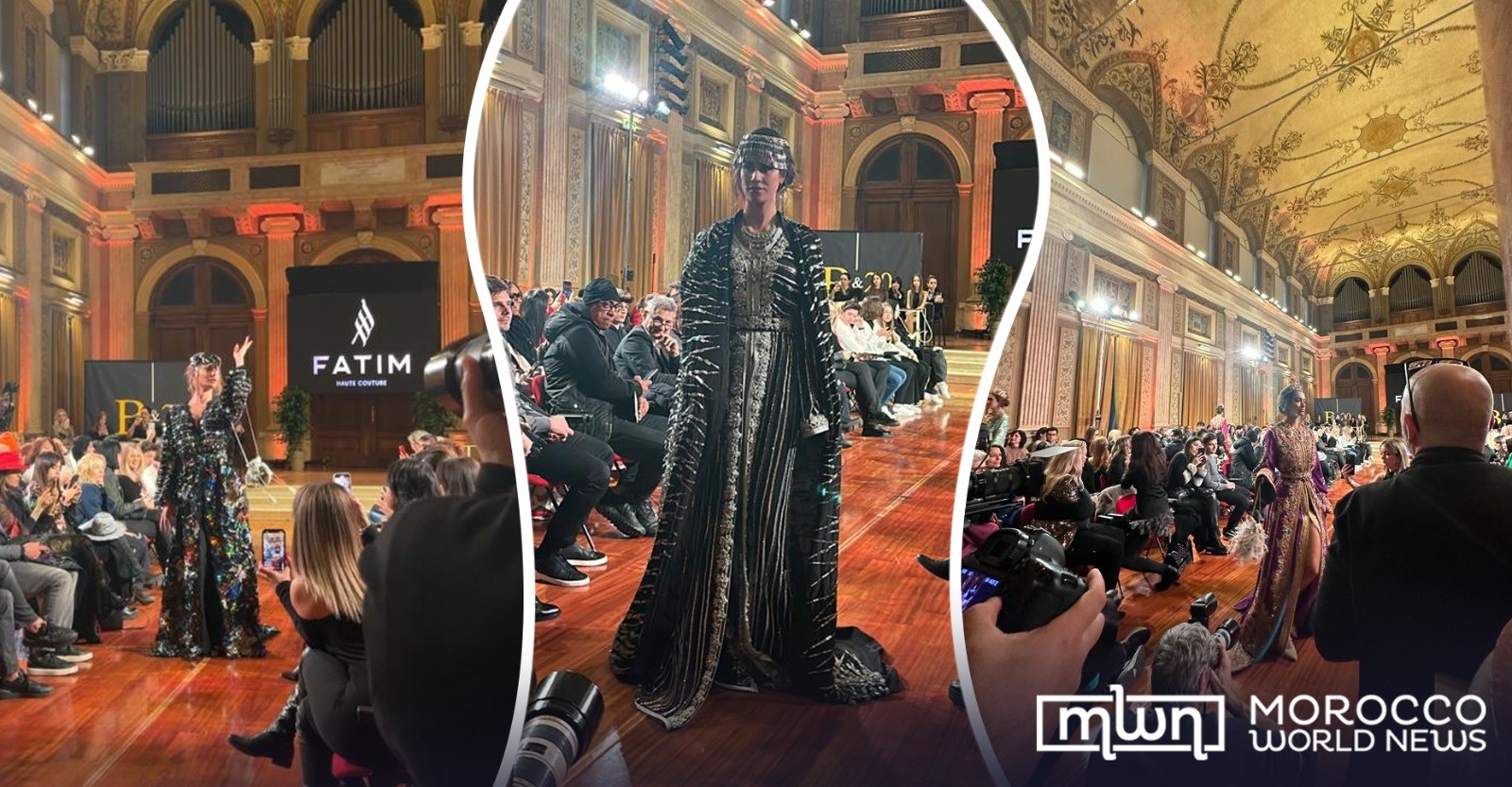
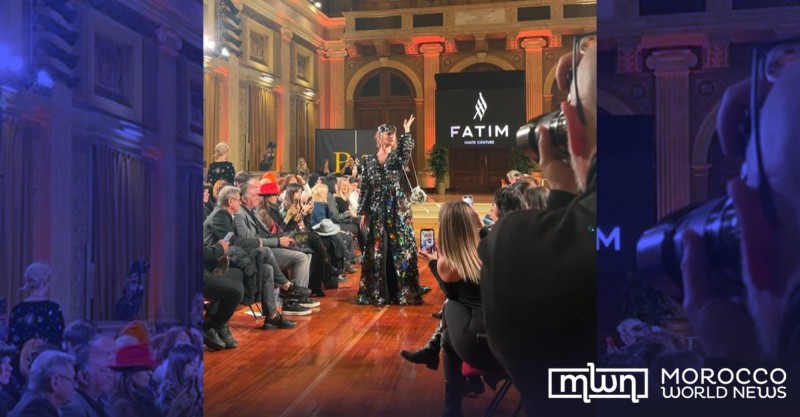
Fatima Al-Zahraa Al-Filali Al-Idrisi is celebrated for her designs of the Moroccan caftan. On February 26, 2023, the international designer had the opportunity to present the Moroccan outfit with a special invitation to one of Italy’s historical exhibition halls during Milan Fashion Week.
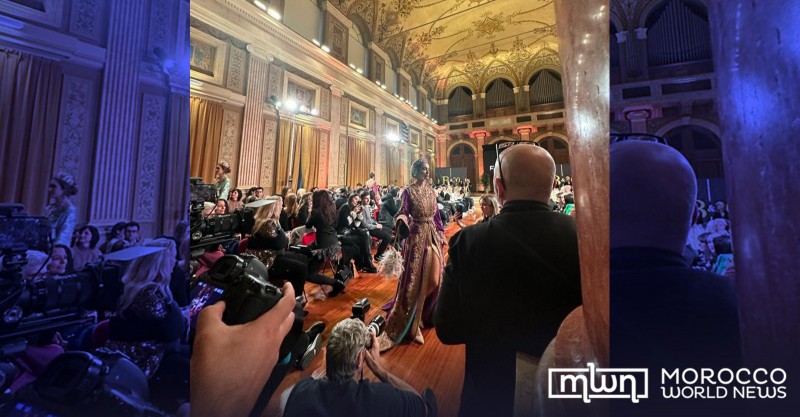
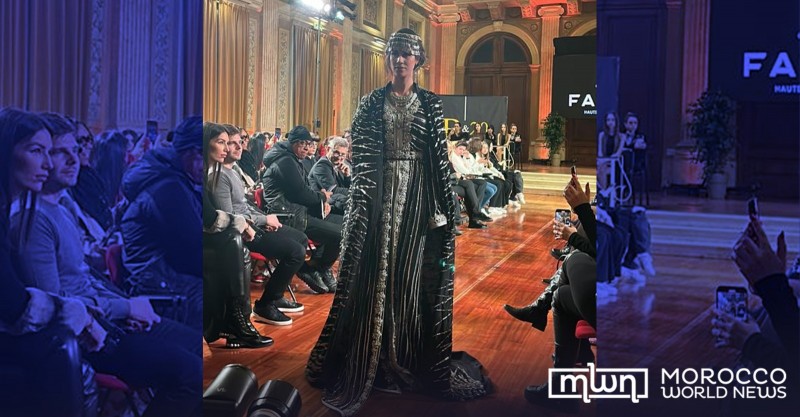
The international designer used this occasion to unveil an elegant collection consisting of 15 units of Moroccan caftans created exclusively for the event, with a variety of styles, colors, and patterns; a show of dazzling designs that did not disappoint. Caftans embrace femininity and the deep roots of Moroccan history.

Fatima Al-Zahraa Al-Filali Al-Idrisi
That evening, the Moroccan caftan graced the Italian runway under the presence of celebrities, influencers, well-known designers, and diplomats; all eyes were on the exquisite work of Al-Filali Al-Idris. Milan Fashion Week is on par with London, New York, and Paris as one of the most prestigious events in fashion, only the very best get the chance to present their designs at such an occasion.
Prominent Italian and other international media outlets attended fashion week and witnessed the caftan debut. “I was really moved by the presence of the Italian media and their reaction to my collection,” Al-Filali Al-Idrisi told MWN.

Fashion runway
The caftans and accessories modeled were created using safifa, a cloth woven by hand using gold or silk threading. One of the most elaborate designs in the show was fashioned together using 500 meters of the luxurious fabric. Such elaborate and intricate designs took thirty craftsmen to prepare the garments for presentation.
The Moroccan outfits were initially designed to promote more cultural and creative collaboration between the countries of the Mediterranean region. The show was surrounded by traditional musical rhythms emanating from the repertoire of the Moroccan artistic heritage.
Another pinnacle moment at the event was Fatima Al-Zahraa Al-Filali Al-Idrisi’s relaunch of her brand “Fatim Haute Couture.”
Fashion show runway
The designer reaffirmed to audiences that her brand Fatim’s vision is based on “preserving the honor of the Moroccan caftan with all its authentic elements that reflect the multiplicity and diversity of the Moroccan identity, culture, heritage, and civilization.”
Significance of the Moroccan Caftan
The caftan appeared in Morocco during the 12th century under the Almohad dynasty. Luxurious fabrics, bright colors, innovative cut-outs, the finest sewing elements, embroidery, and ornamentation make the caftan elegant yet timeless.
Women in Morocco often wear the dress during weddings, baptisms, and other special events. The deep history of the garment explains why Morocco seeks to solidify its impact on the country’s culture.
Because of the increasing popularity of the traditional dress and threats of appropriation, Morocco has led to secure the caftan as part of its cultural heritage by submitting an application to the United Nations Educational, Scientific and Cultural Organization (UNESCO).
Earlier this month, Morocco’s Department of Culture held a national consultation with UNESCO to secure the caftan’s spot on the agency’s list of intangible cultural heritage items. Other Moroccan elements already on the list include the tbourida, argan, date palm, and Arabic calligraphy.
The caftan recently made an appearance at the 2021 Miss Universe pageant where Kawtar Benhalima modeled a long, dark green dress complimented with headpiece. The 2020 Paris Fashion week also featured a caftan, displaying the growing popularity of the historic dress.
Countless celebrities have also chosen the caftan for their red-carpet events. Last September, Cuban actress Ana De Armas stunned audiences in the Moroccan gown during a screening of her film “Blonde” at the 48th Deauville American Film Festival in France.
Read Also: Moroccan Caftan Shines in Miss Universe 2021
Fatima Al-Zahraa Al-Filali Al-Idrisi’s Growing Influence
Fatima Al-Zahraa Al-Filali Al-Idrisi has received many awards symbolizing her creativity and struggle when making the Moroccan caftan and using the garment as one of the most important components of Moroccan heritage. Recently, she was recognized by UNESCO for her contributions to Moroccan culture.
Throughout her career, Fatima Al-Zahraa Al-Filali Al-Idris has promoted her work on multiple runways and international platforms during events in the United States of America, France, Italy, Switzerland, Turkey, the United Arab Emirates, and Azerbaijan.

Fatima Al-Zahraa Al-Filali Al-Idris’s Instagram following of over 1.5 million and her showroom at Casablanca’s Morocco Mall explains the talent and influence exemplified by the designer. Her pieces can also be shipped to those residing outside of Casablanca or Morocco.
The designer hopes her creations will bring a new era to the caftan. “It envisages exploring new worlds that will double the attractiveness and popularity of the Moroccan caftan,” she told MWN. Her designs seek to represent the history and traditions of all regions of the kingdom.
“It was a unique opportunity to commemorate our country and our artisans while also highlighting Moroccan cultural heritage produced in Morocco,” Al-Filali Al-Idrisi added.
As Fatima Al-Zahraa Al-Filali Al-Idris advances in her career, her caftans and personal brand should be expected to be present at future international fashion shows.
Read Also: The Fashion and International Popularity of Moroccan Caftans