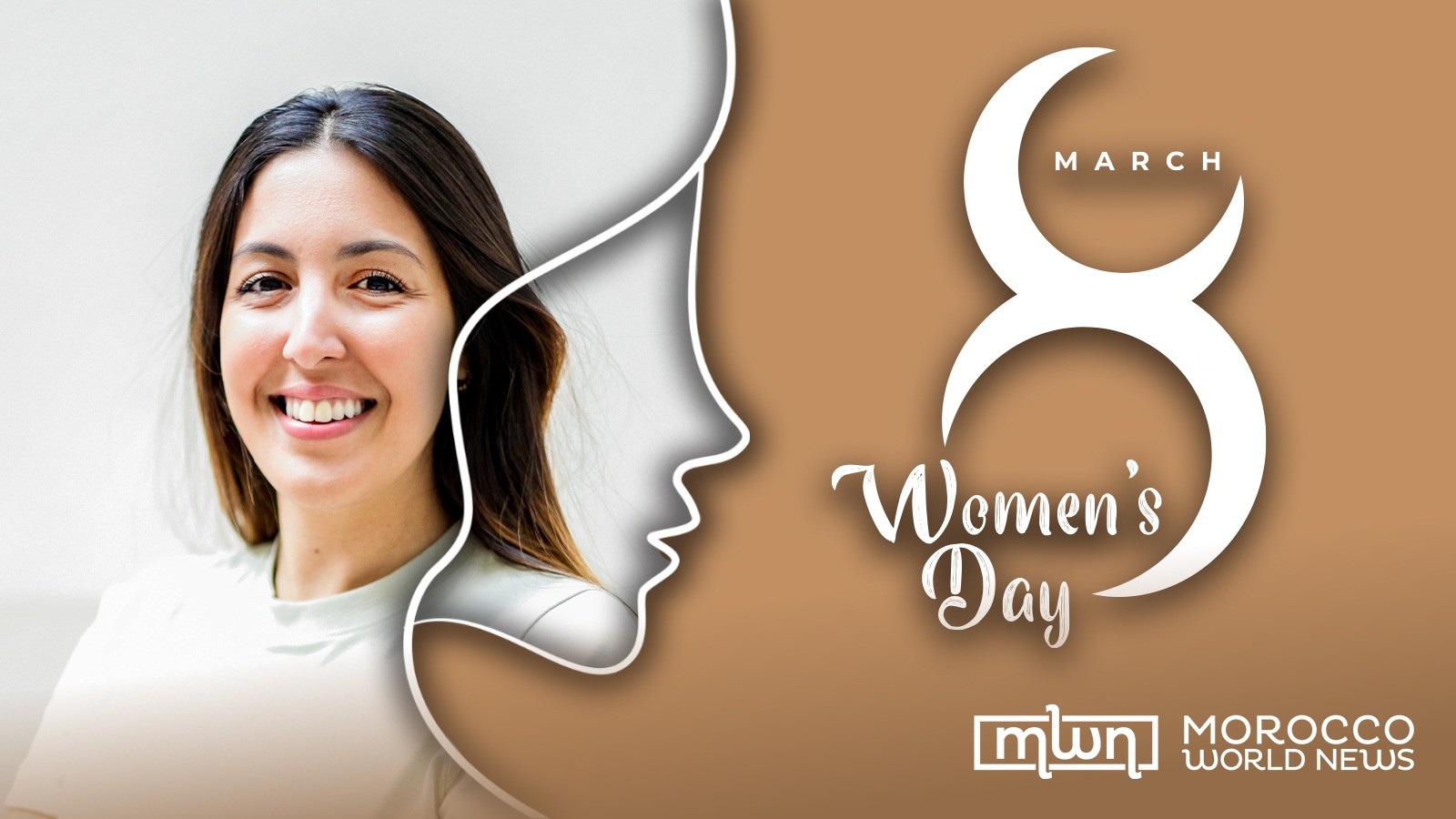
In a changing world, women are playing an increasingly significant role in the workforce, no longer limited by domestic expectations. On International Women’s Day, Morocco World News is featuring a female entrepreneur who nurtures not only her two children but also the Moroccan startup ecosystem through INSKIP, an entrepreneurial task force that supports startups, corporates & institutions.
INSKIP partner and Moroccan Office Director Meryem Mahfoud, who prefers to be referred to as Meryem, spoke to Morocco World News about her work supporting Moroccan entrepreneurs and empowering women.
An international career
Raised in Casablanca, Meryem graduated from HEC Paris and earned a double degree in Sweden, worked in marketing in the US, and became involved with the entrepreneurial ecosystem in France. This was at a time when the French ecosystem was just emerging, with French technology startups growing and gaining importance, she said.
As the account executive in the advertising agency BETC, Meryem worked with high-profile clients such as LVMH’s Sephora and the Walt Disney Company. She then developed the creative agency Le Side Car, working with over 200 French startups that were small and budget-strained at the moment but many of which have since become top unicorns, or private startups worth over $1 billion. Eventually, the four partners including Meryem sold Le Side Car to the consulting firm Fabernovel.
“I gave a lot to the French ecosystem, but now it’s time to give back to my country,” Meryem said about her return to Morocco with the goal of creating an incubator. “Everyone was telling me that, unlike France, there is nothing in Morocco. They cannot imagine my designing an incubator in Morocco.”
But Meryem learned about INSKIP’s impact on the Moroccan entrepreneurial ecosystem and joined to continue her mission of supporting entrepreneurs.
Success stories
INSKIP’s work is a mix of consulting and entrepreneurship, Meryem explained.
In consulting, INSKIP amplifies innovation within corporations’ or institutions’ ecosystems by designing innovation vehicles such as incubators, accelerators, investment vehicles, or internal innovation engines for intrapreneurs.
After corporations or institutions develop an innovation vehicle, the next step is its execution. So on its entrepreneurial side, INSKIP operates the innovation vehicle and supports its entrepreneurs.
One success story is the 2018 e-ticketing company Guichet’s resilience during the pandemic and growing success today as it takes on an integral role in the Moroccan entertainment scene, ticketing for concerts, festivals, sporting events, and more.
Behind this burgeoning success is Meryem and INSKIP’s program 212Founders, financed by CDG Invest.
“[Guichet founder and CEO] Moulnakhla Ahmed Tawfik built an incredible team and a great platform, showing very promising results in his first few years, but COVID-19 was very risky because his core business, the entertainment industry, was dead,” Meryem said. “So I supported him at this moment to raise funds to accelerate despite this difficult period. He succeeded in convincing the investors to trust him.”
Women empowerment
According to a recent report by analysts Lotf Belych and Yassin El Hardouz, featuring Meryem, the Moroccan ecosystem sees significant gender disparity, with only 23% of startups founded by women.
Meryem said the gender disparity is an issue ubiquitous across many countries, but it is indeed a shame that men dominate the development of startups.
“Morocco has made a lot of progress: You see more and more female-led companies. But still it doesn’t reflect the power of Moroccan women in the society,” she said. “[The question is] how to position this power at top leadership positions — not just in startups but in the whole country.”
Meryem went on to explain that she did not experience difficulties working for INSKIP as a mother of two young children. In fact, INSKIP respected her maternity leave and promoted her just after she resumed working.
Meryem is also the president of the non-governmental organization MADI, which aims to transform heritage sites in Morocco and turn them into cultural spaces and creative platforms.
One of her projects, in collaboration with the non-profit organization Alouane Bladi and the United Nations Development Program, is “CIT’ART Tribute to Moroccan Women.” It promotes Matrimoine — heritage from the female perspective, as opposed to Patrimoine — through inviting artists to paint murals in public schools on the topic of women in Moroccan history.