


 Join on WhatsApp
  Join on Telegram
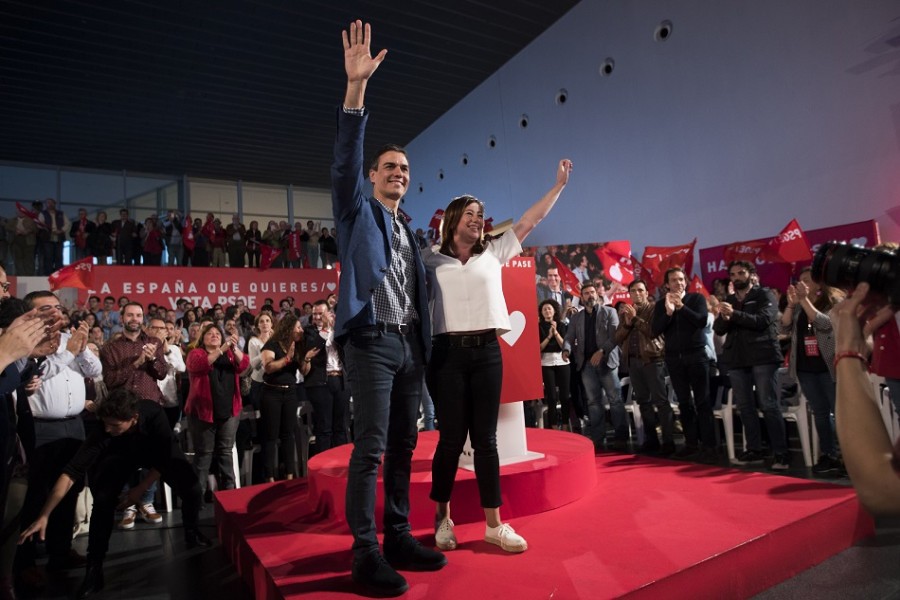
 Rabat – Francina Armengol, a prominent figure within Spain’s Socialist Party of the Balearic Islands, clinched a historic victory as she secured the backing of the hard-line wing of the Catalan independence movement. This alliance propelled her to the presidency of the parliament’s bureau, cementing the socialist government’s control over the administrative heart of Spain’s legislative system.
Prime Minister Pedro Sánchez’s Socialist government held its breath as the political landscape shifted in favor of their candidate. The unfolding scenario led to Armengol’s election as the president of Congress, thanks to an absolute majority vote—178 out of 350—placing her at the helm of one of Spain’s most influential bodies.
Armengol’s triumph came at the expense of the conservative Popular Party (PP), which, despite holding the majority of seats in Congress with 137 representatives, fell short of securing sufficient support from other parties. This failure paved the way for the socialist party PSOE, led by Sanchez, to forge a groundbreaking collaboration with the pro-Catalan independence party Junts.
In a strategic move aimed at solidifying this unconventional partnership, PSOE pledged to bolster co-official languages in Congress. Additionally, the investigation into the Pegasus case—a controversial topic that had gripped the nation’s attention—became a point of negotiation. Measures to address concerns of “repression” associated with the illegal Catalonian referendum
Read also: Spain’s Snap Election: Uncertainty Looms as Parties Compete for Power
As the dust settles on this political showdown, Spain’s political spectrum has taken a distinctive shape. While the right-wing conservative Popular Party has managed to secure control over the Senate, the presidency of the parliament’s bureau rests with the socialist government. This divide signifies a nuanced power balance within the nation’s legislature.
Meanwhile, the parliamentary bureau’s leadership positions have been allocated among key players. Two members from the conservative People’s Party were voted into vice presidencies, maintaining a semblance of influence for the conservative faction. The remaining two seats were divided among the socialist parties PSOE and Sumar, highlighting the unity among the left-leaning groups.
This victory did not come without its challenges, however. Pedro Sánchez’s Socialists, Sumar, and four smaller parties amassed a total of 171 seats—a notable feat. On the opposing end, the People’s Party, the far-right Vox party, and one smaller party also totaled 171 seats. This numerical deadlock underscored the significance of the absolute majority, necessitating 176 votes for dominance.


