 Join on WhatsApp
 Join on Telegram
Rabat – When Russia launched its full-scale invasion of Ukraine last year, the corporate world’s response was loud and clear. From tech giants like Microsoft and entertainment conglomerates like Disney to banking institutions such as Bank of America and global brands like Adidas and Toyota, pledges of financial and moral support for Ukraine and Ukrainians poured in.
Notable CEOs, including Tim Cook of Apple and Jane Fraser of CitiGroup, proudly displayed Ukrainian flag lapels in a show of solidarity. Major corporations, including ExxonMobil and Unilever, openly condemned Moscow’s actions, and over 1,000 companies vowed to cease or reduce their business ties with Russia as global perceptions of the country soured.
In contrast, the response of big business to the Israel-Hamas conflict has been noticeably muted. Many of the household name brands that took a vocal stance on the Ukraine war have refrained from commenting on the ongoing conflict in the Middle East.
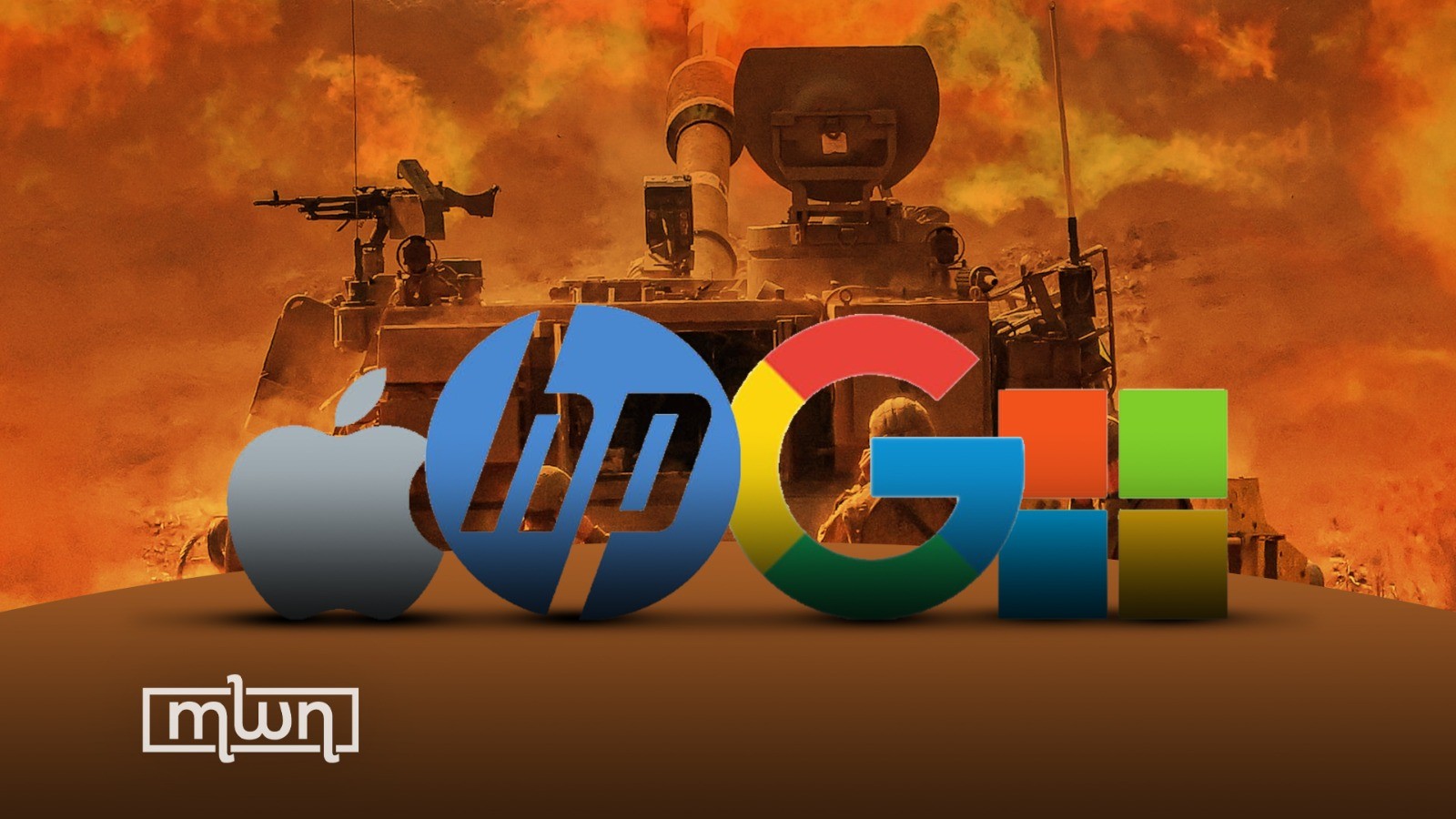
For those companies that have chosen to weigh in on the Israel-Palestine issue, such as Microsoft, Google, Hewlett Packard, JP Morgan, and Goldman Sachs, their statements have predominantly expressed support for Israel while condemning Hamas for their multi-pronged attack on Saturday that resulted in the death of at least 1,300 people and the injury of about 3,400.
However, when it comes to Israel’s retaliatory air raids on Gaza, which have so far claimed the lives of at least 1,799 Palestinians and injured more than 6,300, major corporations have largely remained silent.
The United Nations and various humanitarian aid groups have sounded alarms over the impending humanitarian catastrophe in Gaza, especially after Israel ordered 1.1 million Palestinians trapped in the enclave to move south within 24 hours, ahead of an expected ground offensive.
The reluctance of major corporations to engage with the Israel-Hamas conflict highlights the sensitivity and complexity surrounding the issue. Marketing experts suggest that for companies known for touting their social justice credentials, taking a stance on this particular conflict is a challenging endeavor.
For many Western companies, supporting Palestine poses a significant risk, given that they often describe Hamas as a “terrorist” group.
Expressions of solidarity with Palestine have, in the United States and the United Kingdom, been primarily limited to smaller organizations, such as student associations and the Green Brigade of Celtic Football Club supporters. Over the past week, pro-Palestinian rallies in the U.S. have faced substantial backlash from critics who accuse organizers of justifying Hamas violence.
France has taken the extreme step of banning all pro-Palestinian protests on public order grounds, while Germany, Australia, the Netherlands, and the UK have issued warnings or imposed restrictions on pro-Palestine groups they accuse of supporting Hamas or advocating anti-Jewish views.