
 Join on WhatsApp
 Join on Telegram
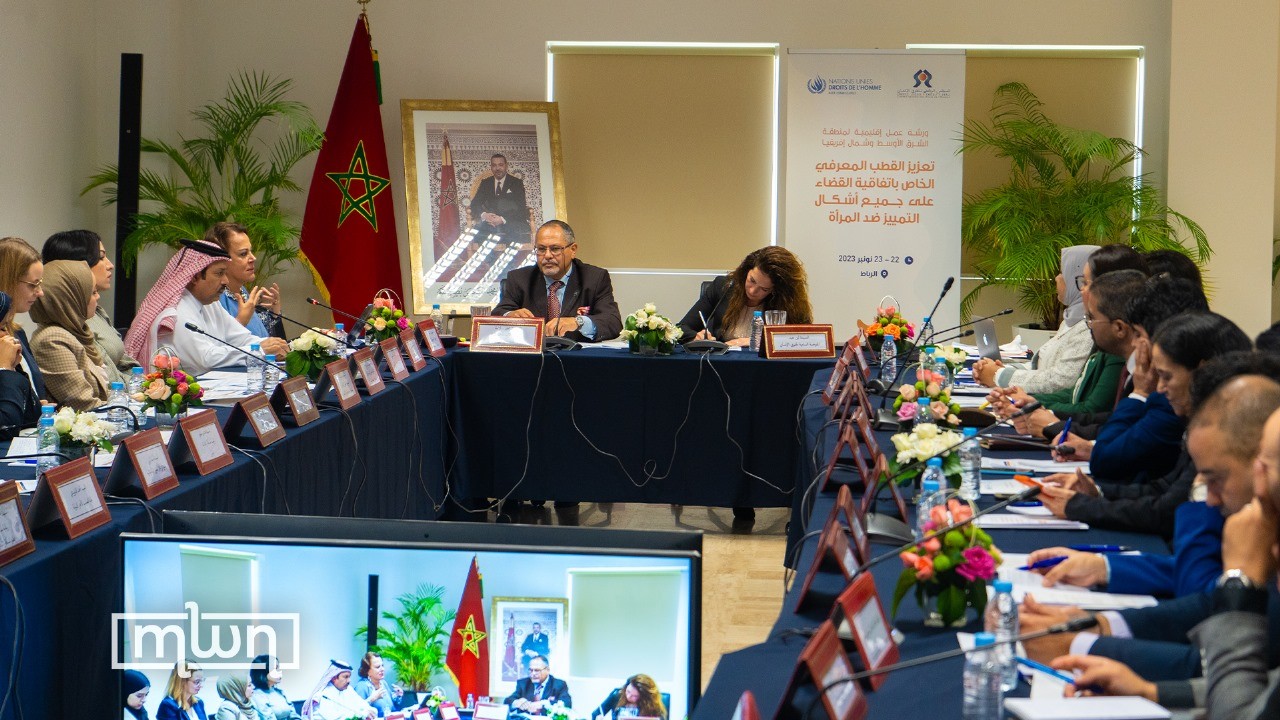
Rabat – The National Human Rights Council (CNDH) and the Office of the United Nations High Commissioner for Human Rights (OHCHR) hosted today a workshop which aimed to promote the Knowledge Hub related to the Convention on the Elimination of All Forms of Discrimination Against Women (CEDAW) in the Middle East and North Africa (MENA) region.
The workshop, which took place on November 22 and 23, sought to empower stakeholders in the region to address the intersection of faith and women’s rights, striving to accelerate the implementation of CEDAW and eliminate reservations on the convention.
The participants actively engaged in discussions and contributed diverse perspectives on the ongoing pursuit of equality and human rights in the MENA region.
The intersection of faith and women’s rights emerged as a central theme, with several participants arguing that religion and women’s rights are not a contradiction; rather, they asserted that these two facets go hand in hand.
In an interview with Morocco World News, the Chief of Human Rights Treaties Branch at OHCHR, Ibrahim Salama, set the tone for the event, describing it as a “pioneering experience.”
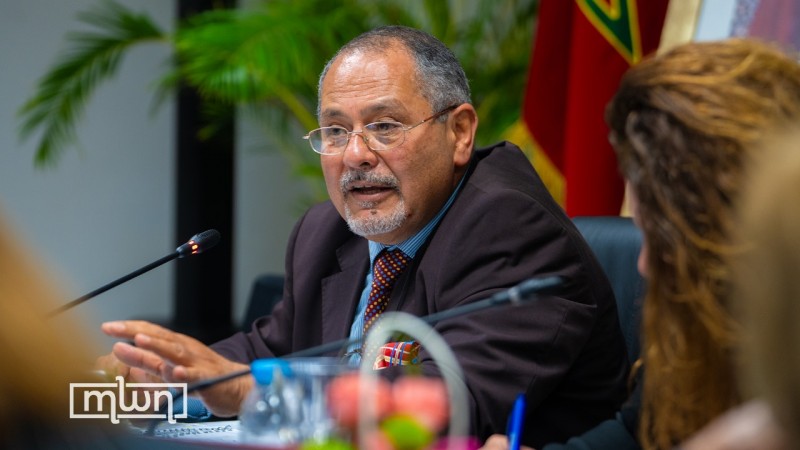
The Chief of Human Rights Treaties Branch at OHCHR, Ibrahim Salama
He highlighted the importance of peer-to-peer learning, emphasizing that human rights progress requires the active involvement of civil society.
Salama spoke about the concept of “faith for rights,” advocating for a framework that aligns religious values with the pursuit of equal dignity for all. He urged for the need to bridge the gap between religions and human rights, transforming the discourse into a unified pursuit of justice.
Two sides to the same coin
“If you really unpack human rights and unpack religions, it’s two value systems which seek equal dignity for all human beings, men and women,” he stressed.
The event marked the presence of several religious leaders from the region, with Salama highlighting their central role in contributing to this debate and promoting gender equality.

Participant at the workshop
In addition, he emphasized that top-down legislations alone do not bring about substantial change in reality, noting that a combination of efforts from civil society is essential to bring about progressive action and address the complex issues related to human rights.
The Director of International Affairs and Cooperation at CNDH, Khalid Ramli, echoed Salama’s statement. He addressed the challenges in implementing international human rights conventions, especially when perceived to contradict local cultures or religions.
Ramli emphasized the role of “political will” and the necessity of a human rights culture to overcome these challenges. He underlined the collaborative efforts needed among various stakeholders, including government, parliament, judiciary, and civil society, to advance the human rights agenda.
Morocco’s Progress
In addition, he maintained that Morocco is the leading country for women’s rights, in contrast to its counterparts in the MENA region.
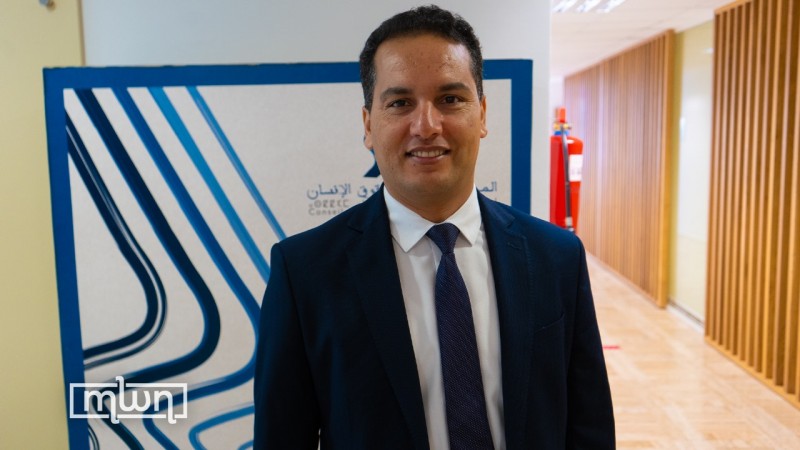
The Director of International Affairs and Cooperation at CNDH, Khalid Ramli
“In Morocco, there is significant progress when it comes to women’s rights … compared to what we have in the MENA region, which is full of human rights challenges,” Ramli explained.
Speaking during the opening of the two-day event, CNDH President Amina Bouayach acknowledged the continuous developments and challenges in women’s rights, and emphasized the need to analyze the cultural and social dimensions of discrimination against women.
“Combating discrimination against women requires efforts to analyze the non-legal aspects with cultural and social dimensions, including traditions and ‘pressuring’ practices,” she said.
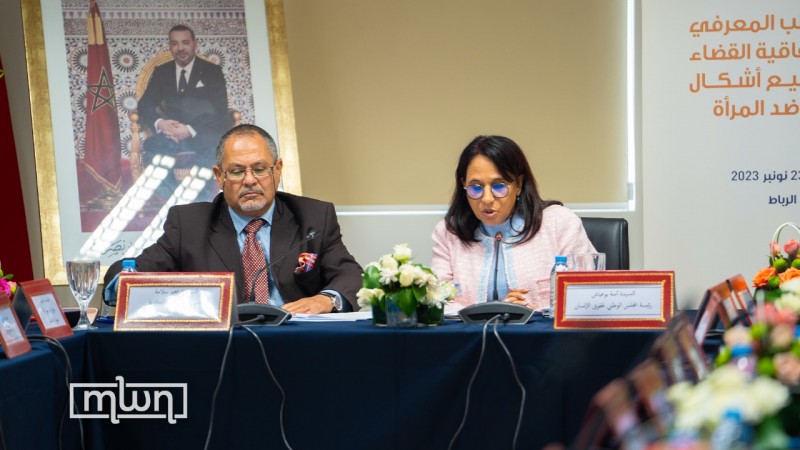
CNDH President Amina Bouayach (right) speaking at the workshop
Bouayach highlighted Morocco’s commitment to equality through legislative changes, including the ongoing review of the Family Code, also known as the Moudawana.
She expressed hope that the workshop would encourage efforts to combat stereotypical images of women, dismantle discriminatory discourse, and raise awareness about the essential role of protecting and promoting women’s rights for societal stability.
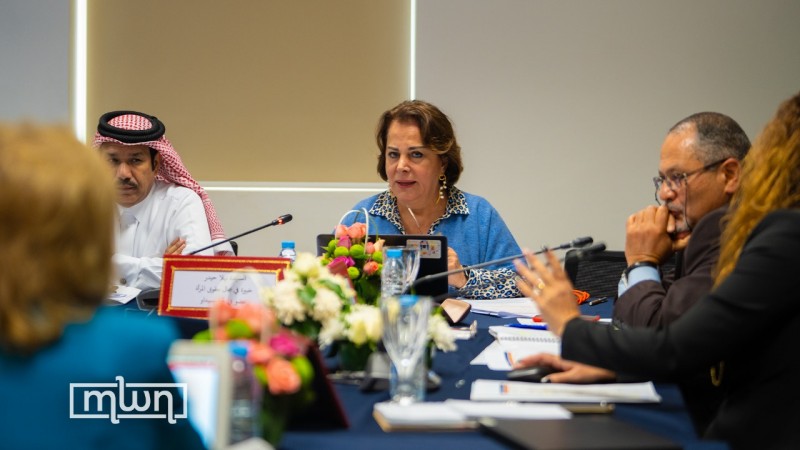
Participants at the workshop