


 Join on WhatsApp
 Join on Telegram
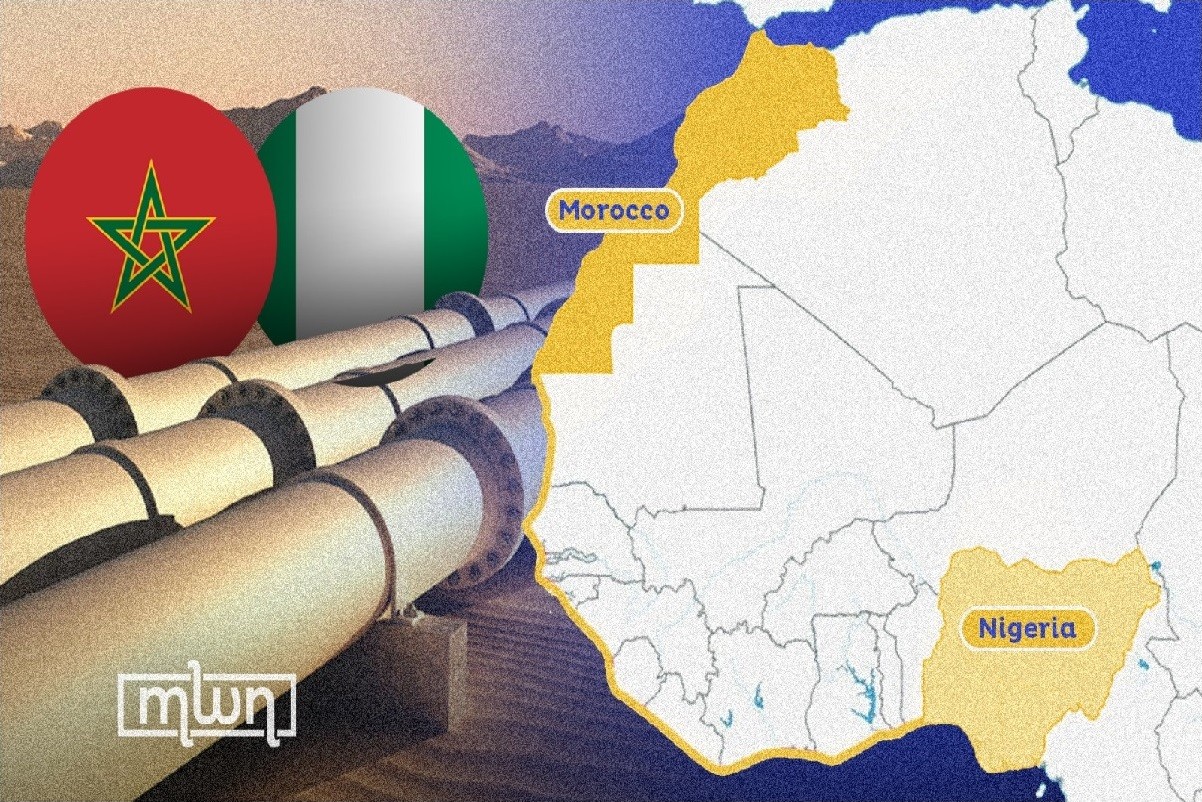
Rabat – Morocco’s Minister of Energy Transition and Sustainable Development Leila Benali and the Nigerian Minister of State for Petroleum Resources Ekperikpe Ekpo discussed on Wednesday in Rabat the progress of the implementation of the Nigeria-Morocco strategic pipeline project.
The ministers also focused their talks on major projects launched in the energy and sustainable development fields.
In a statement to the press following the meeting, Benali said that Ekpo’s working visit to Morocco was an opportunity to examine the various projects, in particular the Nigeria-Morocco Gas Pipeline project.
She also mentioned that these projects are part of the positive momentum injected into bilateral relations by the visit of Morocco’s King Mohammed VI to Nigeria in December 2016, as well as following the telephone conversation the sovereign held this week with the President of the Federal Republic of Nigeria Bola Ahmed Adekunle.
For his part, Ekpo indicated that the purpose of his two-day visit to Morocco is to provide both sides a chance to assess the project’s development on the Nigeria-Morocco gas pipeline, which was launched in 2016 in conjunction with a royal visit to Nigeria.
“In view of what has been achieved, the project is progressing,” noted the Nigerian official, praising Morocco’s efforts in this regard.
Morocco and Nigeria maintain cooperative relations and fruitful partnerships in the fields of energy transition and sustainable development, marked by the exchange of experience, expertise, capacity building, and project development.
These are the result of several bilateral agreements that have come into force in the sectors of renewable energy, hydrocarbons, phosphate and fertilizer production.
Considered to be one of the most strategic projects ever launched on the African continent, the Nigeria-Morocco Gas Pipeline is set to kick-start economic growth and foster regional integration.
The pipeline, which will run along the West African coast from Nigeria through 13 African countries, will connect to the European market via Spain. Over 5,700 kilometers in length, the project will have an annual capacity of 30 to 40 billion cubic meters, which translates to a daily delivery of 3 billion standard cubic feet of gas.
Read also: Senegal Reaffirms Support for Morocco-Nigeria Gas Pipeline




