
 Join on WhatsApp
 Join on Telegram
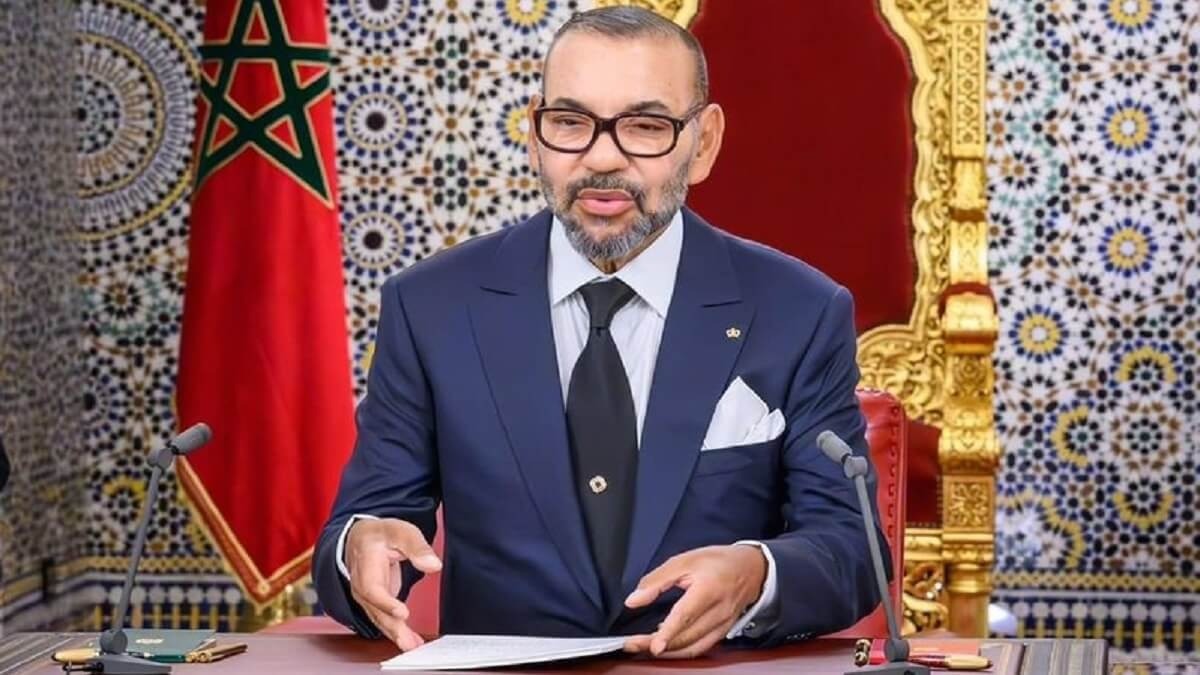
Rabat – King Mohammed VI addressed on Wednesday a message to participants at the symposium commemorating the 60th anniversary of Morocco’s first elected Parliament.
In his message, which was read by Rachid Talbi El Alami, President of the House of Representatives, the King emphasized the country’s unique democratic path and the importance of balancing representative and participatory democracy.
The monarch highlighted the importance of commemorating such events, saying it serves “to remind current generations and young people of our national democratic and institutional record and of the reforms introduced through national consensus.”
The King went on to highlight the multifaceted goals of the commemoration, including taking stock of parliamentary achievements and forecasting the future of the Moroccan political model.
Reflecting on the roots of Morocco’s parliamentary system, King Mohammed VI delved into the historical context, highlighting the efforts of his grandfather, King Mohammed V, and father, King Hassan II, in shaping the country’s early steps towards representative democracy.
“The last quarter of the twentieth century was decisive in completing the construction of the nation’s democratic system and of bodies that were elected at the national and local levels,” the King noted, emphasizing the importance of constitutional amendments in 1992 and 1996.
Read also: King Mohammed VI Vows to Press Ahead with ‘Development Policies’ in Southern Provinces
The King also addressed his commitment to ongoing reforms since ascending the throne, stating: “I saw to it that a set of far-reaching reforms be introduced. They culminated in the adoption of the 2011 Constitution.”
He stressed that the 2011 constitution paved the way for several structural reforms, “thereby consecrating the exceptional nature of the Moroccan reform model.”
One of the aspects that King Mohammed VI touched upon in his message was the role of women in politics, a theme that resonated throughout his reign as he introduced reforms in various political, social, economic, and cultural fields.
“Needless to say, the legislative institution was at the heart of these structural reforms, be it through the greater powers given to parliament, or the promotion of women’s representation,” he said.
Highlighting the participatory nature of Moroccan democracy, the King expressed pride in the country’s commitment to citizen-based governance.
“Our country was a pioneer in enshrining participatory and citizen-based democracy in the Constitution, together with the roles of civil society and the right of male and female citizens to submit motions in the legislative field and petitions to public authorities,” he stated.
Future challenges, opportunities
While acknowledging the progress made, King Mohammed VI stressed the need for further efforts, particularly in prioritizing national interests over “partisan considerations” and enhancing ethical standards in parliamentary life.
“Among the most significant challenges which have to be addressed to take parliamentary work to a new level, one can mention the need to prioritize the higher interests of the nation and of the citizens over narrow partisan considerations,” the monarch said.
Following Morocco’s independence from French and Spanish protectorates in 1956, King Mohammed V initiated efforts to introduce democratic reforms. In this context, a national advisory council was established as the first step toward representative democracy.
The reign of King Hassan II marked a continued commitment to building institutionalized governance. The “hero of liberation,” as King Mohammed VI described him, saw the reality of an institution-based state, with the establishment of the first constitution shortly after independence.
This constitution laid the groundwork for citizens to elect their representatives in various councils, marking the inception of a more formalized political structure.
The monarch concluded his remarks at the commemoration by urging continued efforts to address critical issues in light of the major reforms and large-scale projects the country is currently implementing. “They will no doubt be instrumental in achieving greater progress and prosperity for the benefit of the Moroccan people.”