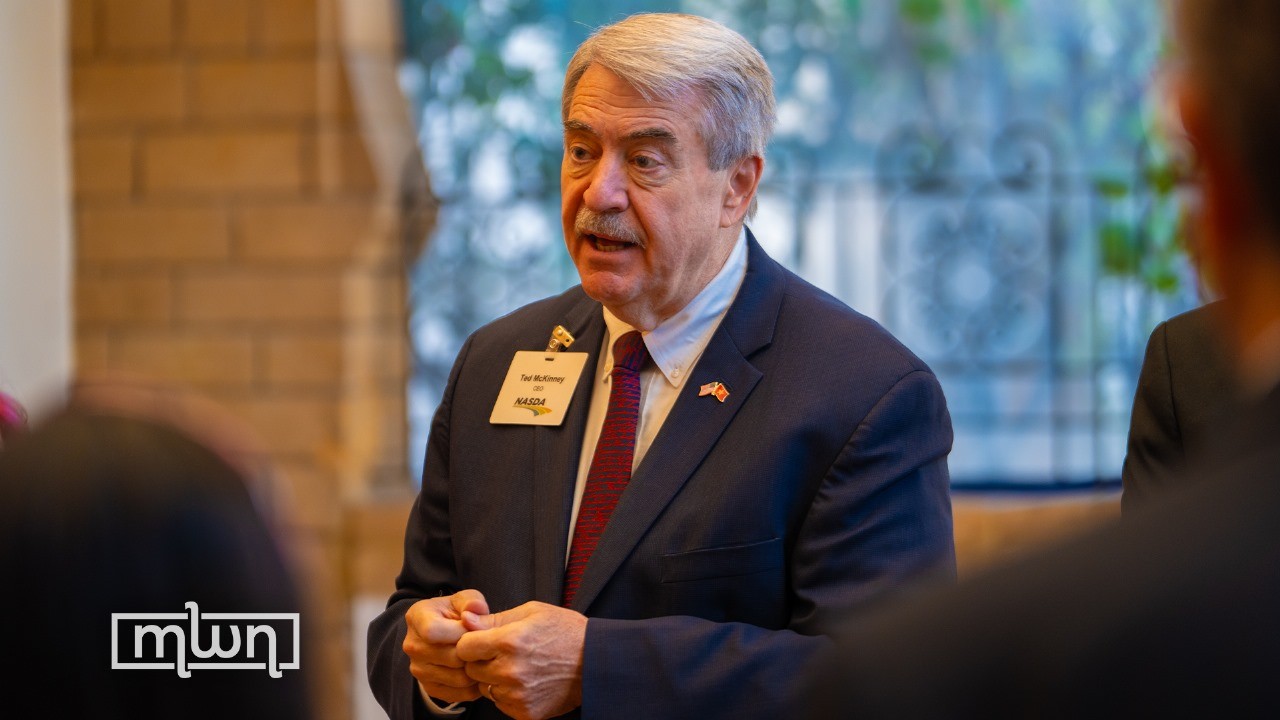
Rabat – In a move aimed at fostering enduring ties, the National Association of State Departments of Agriculture (NASDA) delegation, led by CEO Ted McKinney, has embarked on a trade mission in Morocco, cultivating the seeds for a potentially promising and mutually beneficial agricultural partnership.
Amidst the bustling atmosphere of Casablanca, the NASDA delegation, comprising influential figures from various US states, had a networking lunch organized by the American Chamber of Commerce in Morocco (@amcham).
This event aims to be a crucial step in an ongoing trade mission orchestrated under the Emerging Markets Program (EMP), signaling an effort to boost US agricultural exports in countries with dynamic market-oriented economies.
McKinney, articulating the delegation’s commitment, stated, “We’re here for the entire week, visiting farm groups, commodity groups, and those involved in the process of farming or producing and processing food. It’s truly a two-way street.”
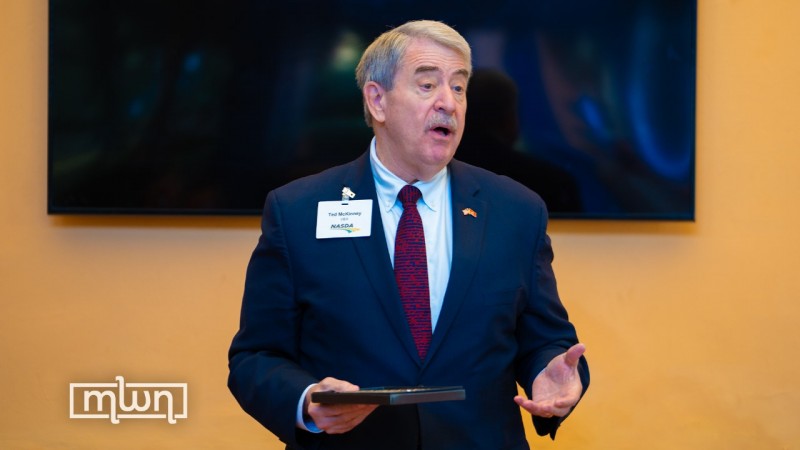
Ted McKinney, CEO of NASDA
According to the visiting delegation, their engagement transcends mere discussions, encompassing a multifaceted approach to understand, collaborate, and foster mutually beneficial relationships.
As McKinney shared, the delegation has immersed itself in Morocco’s agricultural landscape, meeting with departments of agriculture, educational institutions, and key stakeholders shaping the nation’s farming future.
“Through all of them, we were asking, how can we be of assistance? Where should we partner up?” McKinney emphasized the delegation’s commitment to collaborative exploration.

Networking lunch
Ashley E. Randle, Commissioner of the Commonwealth of Massachusetts, highlighted the broader objectives, stating, “We are here to deepen and broaden our relationship with our Moroccan counterparts, learn more about the Moroccan business environment, and create a mutually beneficial relationship. This is just the beginning.”

Ashley E. Randle, Commissioner of the Commonwealth of Massachusetts
The NASDA delegation statement emphasizes it envisions a sustained dialogue, transcending the current visit, to foster trade opportunities and knowledge exchange.
Understanding Morocco’s agricultural needs has been a focal point for the delegation. Hugh Weathers from South Carolina highlighted the importance of ensuring the competitiveness and quality of US grain products.
“Morocco imports 90% of their cattle feed, and we want to make certain that United States products of grain are competitive, good quality, and that we understand the importance of building relationships,” Weathers emphasized.
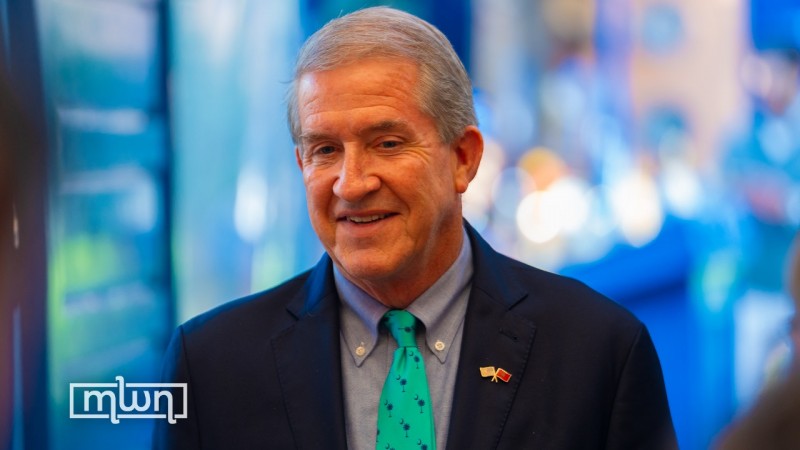
Hugh Weathers from South Carolina
Mike Beam, Secretary of Agriculture for the state of Kansas, shed light on Morocco’s interest in purchasing cereal grains and beef from the United States.
“There’s long been interest in purchasing cereal grains, products grown in most states in the Midwest, including Kansas. There’s also considerable interest in meat, primarily beef, from the United States,” Beam explained.
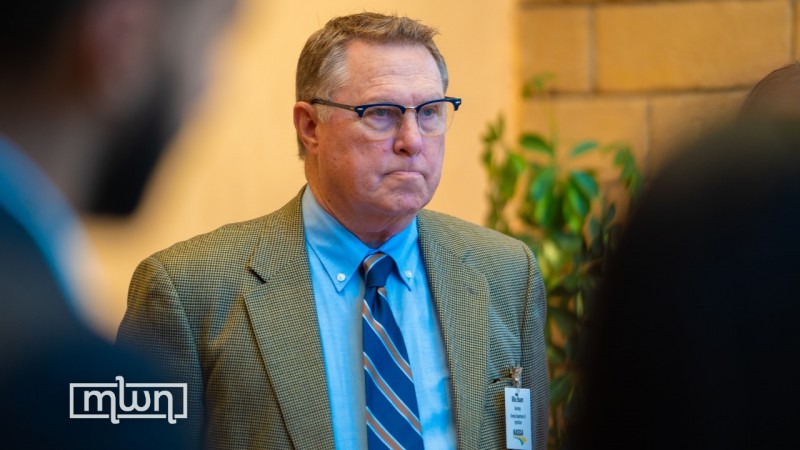
Mike Beam, Secretary of Agriculture for the state of Kansas
Jerry Costello, Director of the Illinois Department of Agriculture, outlined the ties between Morocco and Illinois, highlighting Illinois as the leading producer of soybeans and corn in the US.
“It’s a very important relationship between Morocco and the state of Illinois,” Costello stated, pointing out Morocco’s reliance on soybean meal and corn imports.

Jerry Costello, Director of the Illinois Department of Agriculture
As the NASDA delegation navigates and explores the terrain of the US-Morocco agricultural relations, the focus extends beyond immediate gains to nurturing enduring partnerships.
The purported emphasis on understanding local needs, offering assistance, and building relationships underscores a strategic shift towards collaborative diplomacy in international trade.

Julie Adams, Vice president, Global technical and Regulatory Affairs Almond Board of California
The outcomes of this mission carry the potential to reshape the trajectory of US-Morocco agricultural relations, transcending routine trade statistics.