


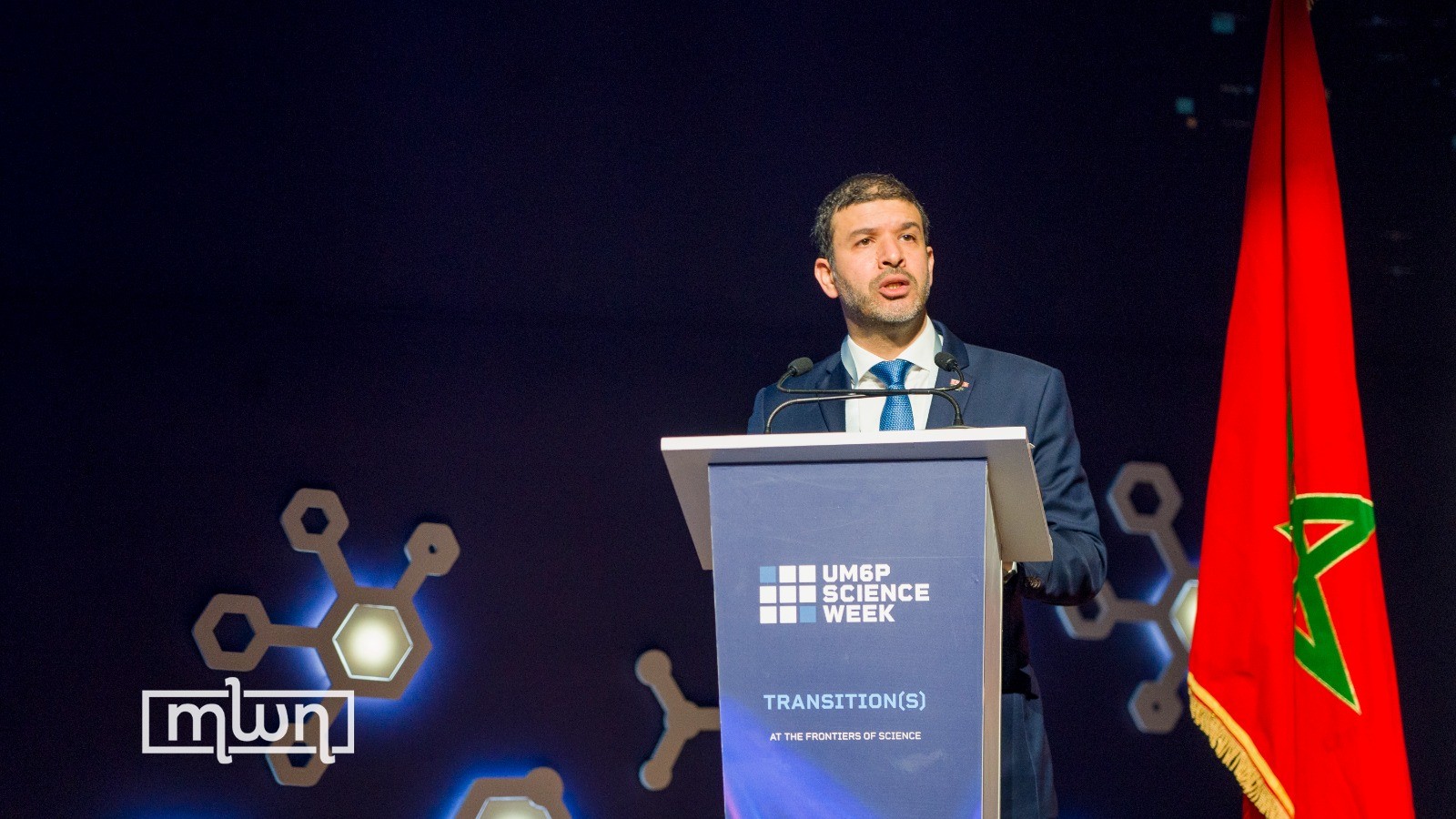
Rabat – Morocco’s University Mohammed VI Polytechnique (UM6P) hosts its annual Science Week, focusing on “Transitions” this year.
Within this theme, a panel discussion delved into the evolving landscape of education in the digital age, offering insights into the challenges and opportunities of digitalization.
The transition towards working digitally in education has been a topic of discussion for many years. It has been propelled by the COVID-19 pandemic, exposing both the potential and pitfalls of digital education. The panel discussion, titled “Transition towards Digital in Education,” brought together experts to dissect this complex topic.
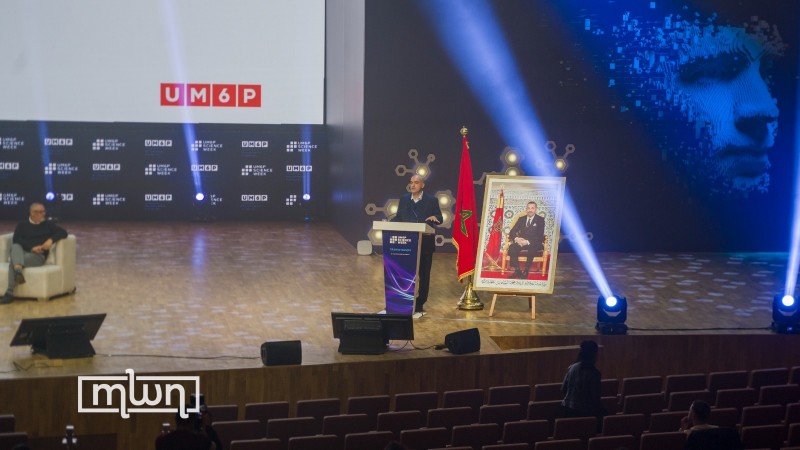
Panel on digitalisation at UM6P Science Week
The panelists included Abderrahmane Benrherbal, teacher-researcher in didactics of mathematics and pedagogy at UM6P; Rafik Alami, head of UM6P’s Digital Innovation Center of Excellence; and Ilham Laaziz, director of the engineering projects at the Ministry of Education.
Unveiling the digital transition in education
Abderrahmane Benrherbal, a prominent figure in the realm of mathematics didactics and pedagogy at UM6P, opened the discussion by emphasizing the theme of the session.
Reflecting on the rapid shift towards online learning during the COVID-19 pandemic, Benrherbal highlighted the unpreparedness of many educators and institutions, particularly in rural areas, to effectively navigate the challenges posed by remote teaching.
He highlighted the lack of standardization in teaching methodologies and expressed concerns regarding its impact on learning outcomes.
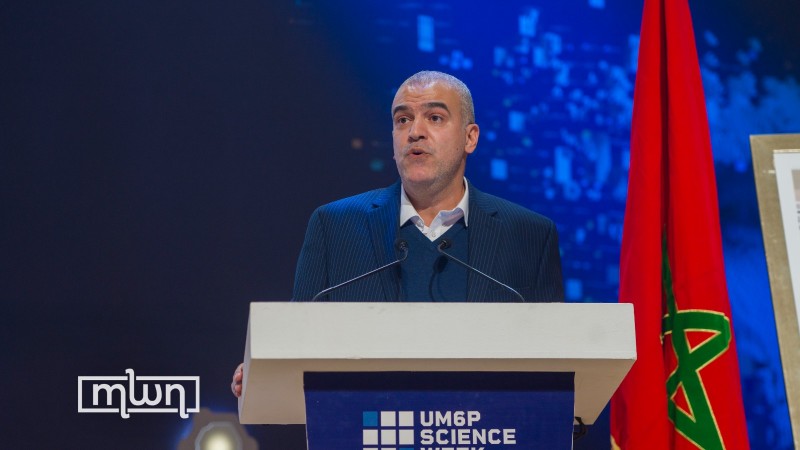
Rafik Alami, head of UM6P’s Digital Innovation Center of Excellence
Drawing from empirical research conducted across four regions in Morocco, Benrherbal emphasized the need to explore the tools utilized during the pandemic-induced confinement.
He advocated for a nuanced understanding of teaching practices, integrating both didactic and ergonomic perspectives, to inform future strategies for remote education, particularly in underserved communities.
Redefining the digital landscape: A holistic approach
Rafik Alami, head of UM6P’s Digital Innovation Center of Excellence, offered a thought-provoking perspective on the digitalization of education. Challenging conventional notions of transitioning towards digital platforms, Alami proposed a more gradual digitalization evolution.
He emphasized the importance of bridging the physical and digital realms to ensure a seamless integration of technology in education.
Alami’s vision centered on leveraging existing physical assets while harnessing the efficiency and scalability of digital tools. By adopting this hybrid approach, he argued, educational institutions could mitigate the challenges associated with abrupt digital transitions and offer enhanced learning experiences.
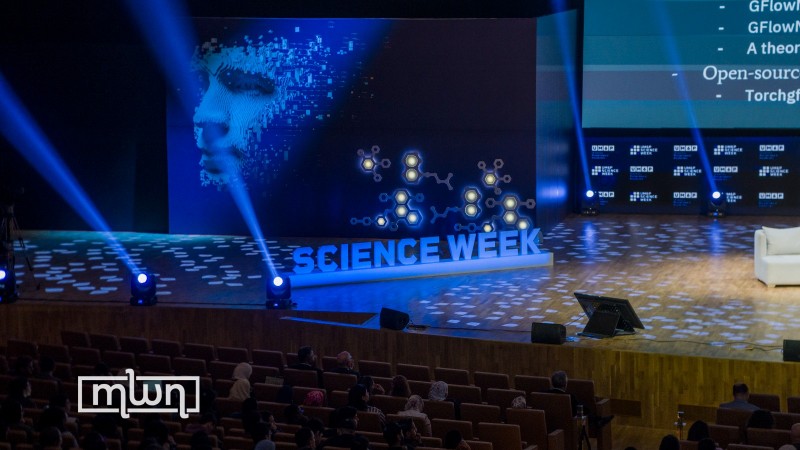
Science Week UM6P
Through real-world use cases and innovative strategies, Alami underscored the transformative potential of embracing a holistic digitalization framework.
A journey through digital pedagogy
Ilham Laaziz, director of engineering projects at the Ministry of Education, provided a retrospective overview of Morocco’s journey towards digital pedagogy.
Reflecting on the evolution of educational content and technology integration over the past decade, Laaziz highlighted the collaborative efforts to adapt curricula and instructional materials to the digital landscape.
From initial challenges in sourcing Arabic language resources to the development of digital learning platforms and televised educational programs during the pandemic, Laaziz emphasized the iterative nature of educational innovation.
Panel on digitalisation at UM6P Science Week
She underscored the importance of continuous adaptation and collaboration with international partners in order to leverage emerging technologies for educational advancement.
As nations worldwide grapple with the complexities of educational transition in an increasingly digital age, forums like UM6P’s Science Week serve as crucibles for dialogue, innovation, and actionable insights.




