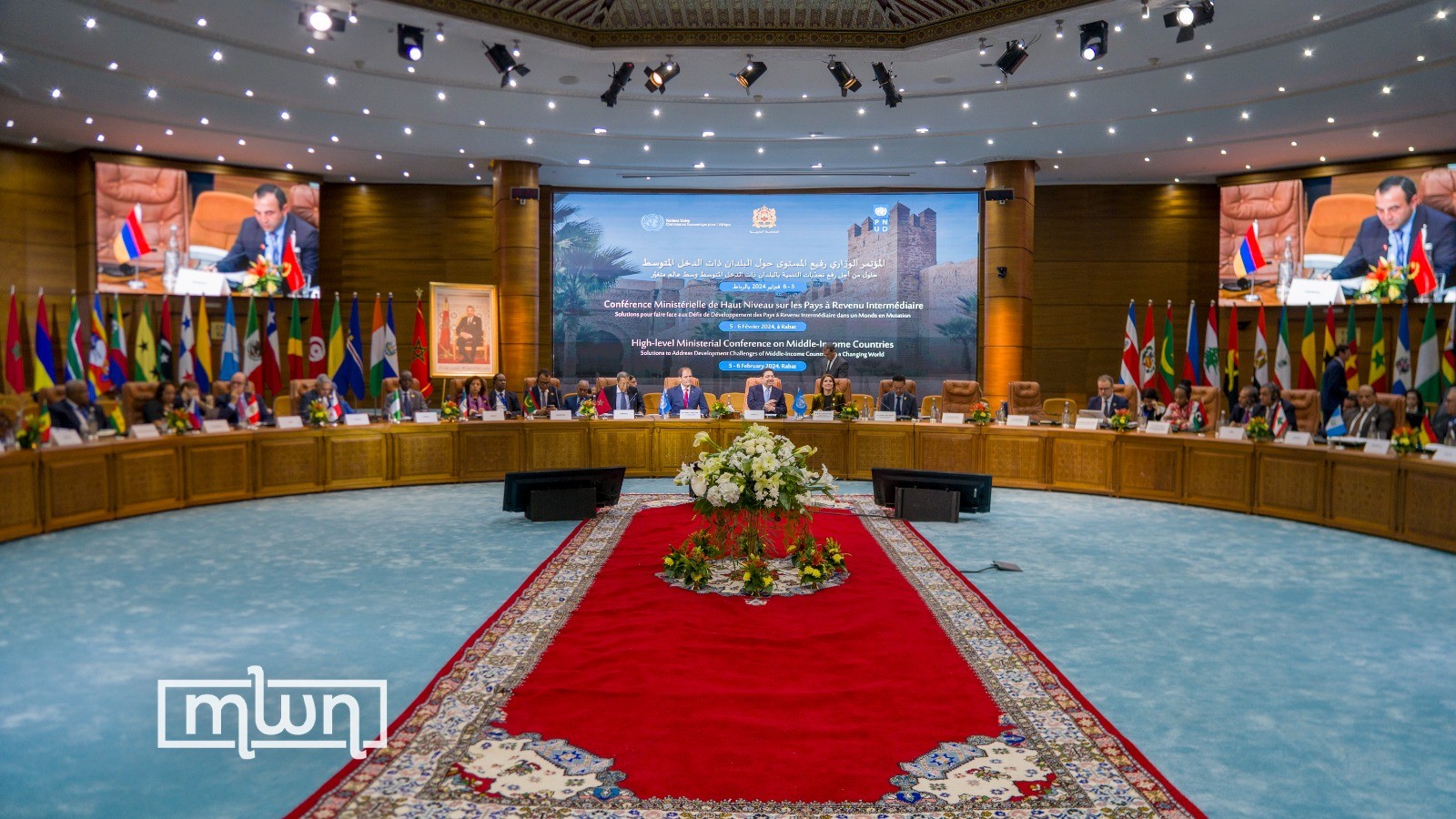
Rabat – Morocco’s Ministry of Foreign Affairs organized on February 5-6 a high-level ministerial conference on Middle-income Countries (MICs) aimed at addressing development challenges that these countries face in the modern world economy.
In conjunction with the United Nations Economic Commission for Africa and the United Nations Development Program, the conference witnessed the participation of 32 countries, 23 UN development agencies, and other international and regional institutions.
As MICs continue to face several obstacles, including high rates of poverty and diverse forms of inequalities, the goal of this high-level ministerial meeting was to find novel and creative ways to rekindle collaboration with MICs.
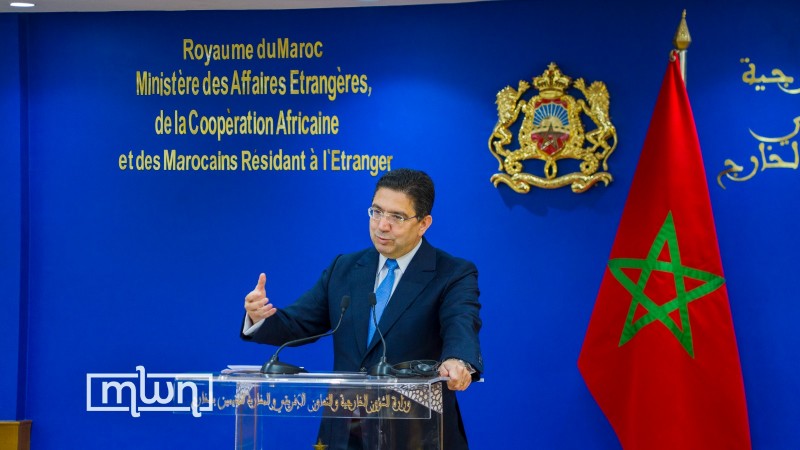
Minister of Foreign Affairs Nasser Bourita
Minister of Foreign Affairs Nasser Bourita said in a statement that countries that have worked to achieve economic and social development must not be penalized for their effort, denied adequate funding, or left off of the world agenda. Instead, according to the minister it is imperative that these nations receive adequate funding and attention in areas like human development and climate change.
Highlighting that the MICs represent the “middle class of international society,” that drive the economy and set the bar for growth, Bourita stated that these countries are the real indicator of the level of sustainable development worldwide.
The minister emphasized these countries’ role in the global economy, their assets, their variety, their demographic dynamism, and their geographic and cultural representativeness, saying that they are also a systemic lever for regional and global peace and stability.
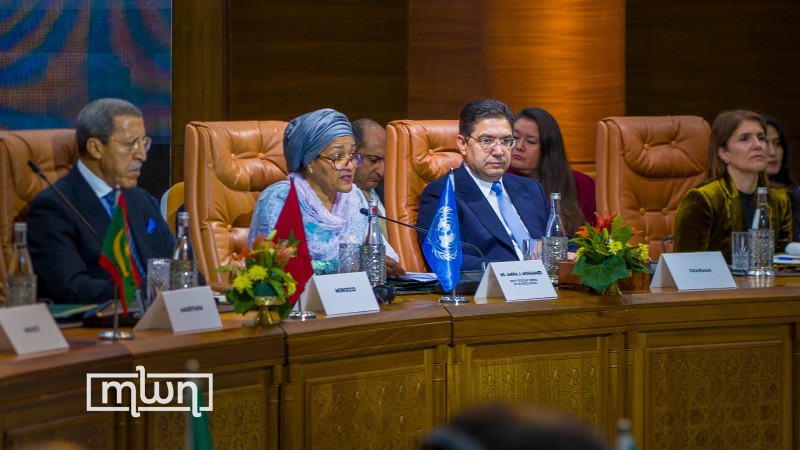
The high-level ministerial meeting
“It’s in the middle-income countries that we see some of the finest economic and social success stories, and some of the most inspiring experiments in progress and reform, achieved in the face of adversity,” Bourita stated.
On the first conference day, key concerns for MICs were covered, including climate finance, triangular and South-South cooperation, creative financing options, and the middle-income trap.
In his inaugural speech, Resident Representative and Head of UNDP Morocco, Edward Christow, noted that while individual countries bear primary responsibility for their own economic and social development, the 2030 Agenda acknowledges that the SDGs cannot be realized without a reenergized and strengthened Global Partnership.
“The agenda acknowledges the specific challenges of MICs to achieve sustainable development and calls for better and focused support from the United Nations Development System and the international financial institutions, among others,” Christow emphasized.
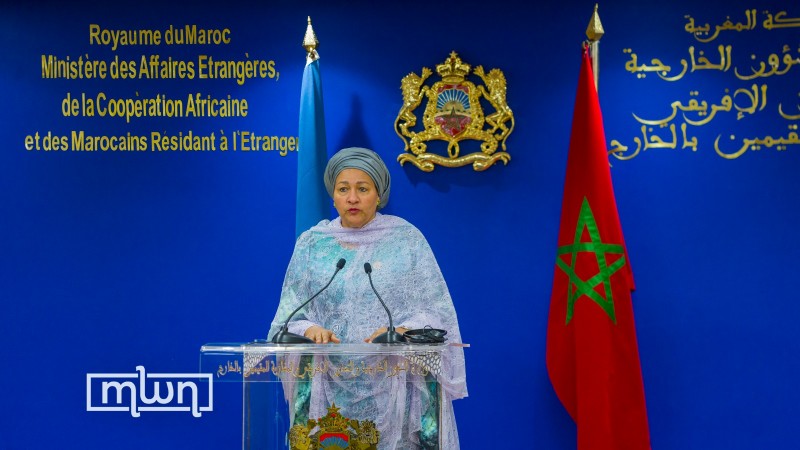
Deputy Secretary-General of the United Nations, Amina J. Mohammed.
As part of the 2023 SDG Summit’s Political Declaration, Christow added that member states reaffirmed their intention to investigate metrics that supplement or surpass GDP. He also urged the global community to take into account multidimensional vulnerability when determining eligibility for concessional financing.
In addition, UNDP provides active support to Morocco’s national efforts to achieve inclusive and sustainable development and the objectives of the New Development Model.
Three key approaches may be used to achieve these goals: a structural change centered on an inclusive and sustainable development model, consistent efforts to reduce inequalities in space, gender, and society, and the development of public policies that are inclusive and grounded on evidence.
Read also: 32 Nations Gather in Morocco to Tackle Development Challenges