 Join on WhatsApp
 Join on Telegram
Doha – During the holy month of Ramadan, Moroccans across the country enter a period of spiritual reflection, fasting, and worship. A time traditionally associated with increased piety, charity and goodwill, Ramadan is meant to be an opportunity for Muslims to cleanse themselves of bad habits and cultivate self-discipline.
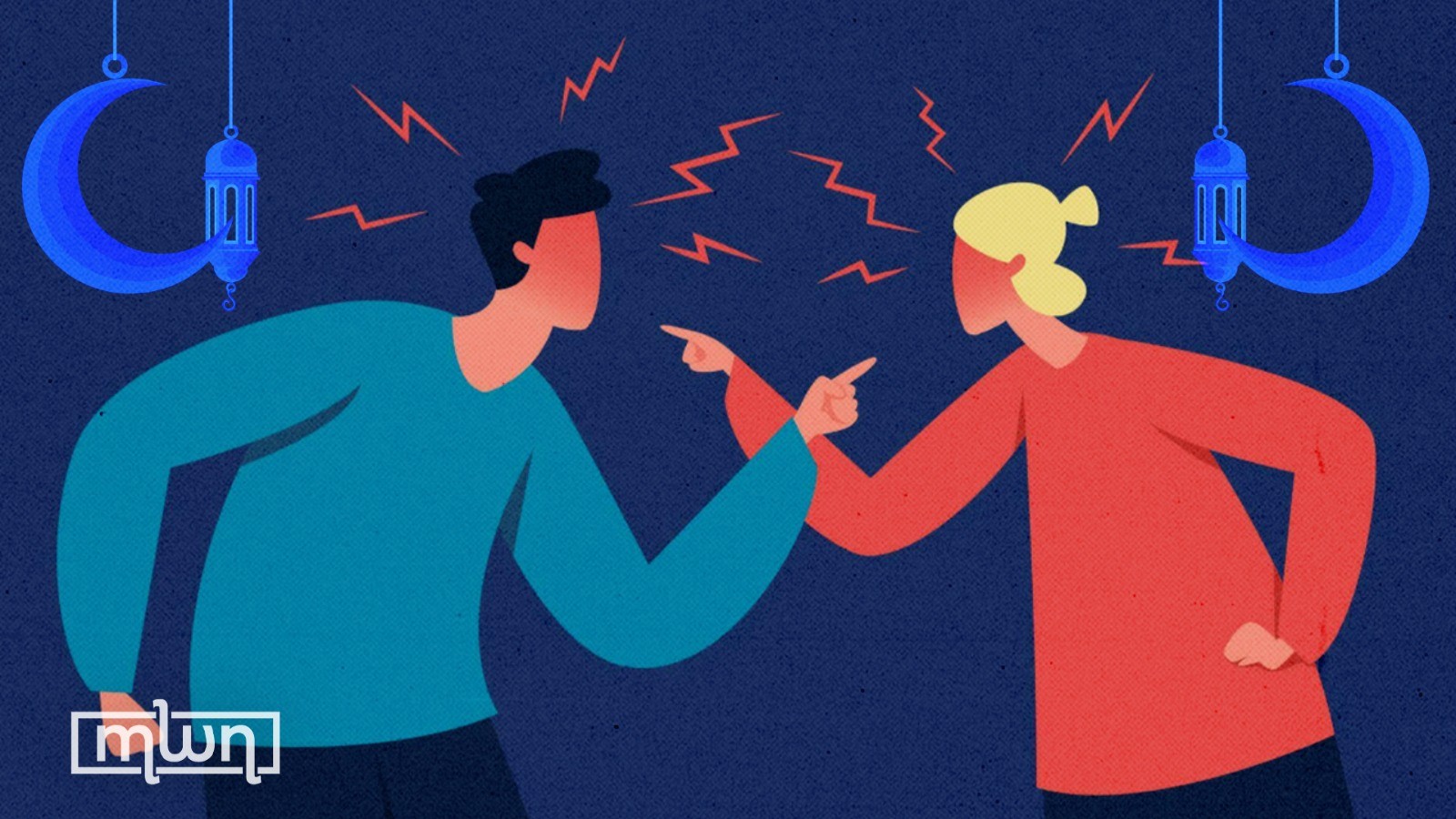
However, in recent years, this sacred time has become increasingly overshadowed by a troubling societal phenomenon colloquially referred to as “Tramdena” – a surge in irritability, aggression and even violence that seems to grip the nation as the days of fasting wear on.
Throughout the country, the signs of Tramdena are everywhere. Heated arguments erupt in shops and marketplaces over the most trivial matters. Scuffles break out in interminable queues snaking outside bakeries before the evening iftar. Insults and invectives fill the air, as short tempers snap in the sweltering heat. “I’m ‘mramden,’” people mutter darkly, citing a lack of cigarettes, coffee and their other usual vices to excuse their surly moods and antisocial behavior.
Even more alarming are the reports of full-blown fistfights and brawls, some involving weapons and serious injuries, that have been erupting with increasing regularity. On the very first day of Ramadan this year, bloody altercations broke out in multiple cities, as some struggling with the initial hours of fasting lost control of their emotions. Buses, banks, hospitals – it seems no public place is safe from potential flare-ups of Tramdena tensions.
Physiological and psychological stressors
So what is behind this incongruous trend of Ramadan rage? Mental health experts point to a perfect storm of physical and psychological factors that can test even the sunniest of temperaments.
Dr. Youssef El Hamaoui, a specialist in psychiatric and neurological disorders explained to SNRTnews that fasting can have a significant impact on mood and emotional regulation, especially in the early days as the body adapts. He noted that for heavy smokers and those with substance abuse issues, the abrupt cessation of nicotine, caffeine and other drugs can trigger intense withdrawal symptoms including anxiety, irritability and aggression.
Even for those without chronic addictions, the dramatic changes to eating and sleeping schedules, combined with low blood sugar, dehydration and caffeine deprivation can cause spikes in stress hormones and mood swings. The late night social gatherings and early morning meals mean that many are chronically sleep-deprived during Ramadan, further exacerbating feelings of agitation.
Economic pressures play a role too, as household spending tends to increase sharply during the month, placing a financial strain that compounds emotional turbulence. According to Dr. El Hamaoui, the rigors of Ramadan can push to a breaking point the 42% of Moroccans who are already struggling with mental health issues.
Violence has no specific time or season
But many sociologists and religious scholars reject framing tramdena as a direct byproduct of fasting, arguing that it represents a deeper societal malaise that is merely magnified during Ramadan. They see the holy month becoming an all-too-convenient scapegoat and justification for anti-social behavior patterns that are prevalent year-round.
In a 2021 interview with Sky News Arabia, Mohssine Benzakour, a social psychologist and researcher described tramdena as a “Moroccan term and a societal phenomenon that serves as an excuse for those who have no justification to rationalize unacceptable practices.” He argued that “it is used by individuals who are quick to anger and prone to emotional outbursts, and who spread an unhealthy atmosphere in the streets or within their homes throughout the year.”
But Benzakour acknowledged that quitting smoking can indeed contribute to feelings of tension and anxiety during the fasting hours. He reiterated, however, that it is within an individual’s power to control their anger and refrain from engaging in verbal or physical altercations over trivial matters.
For Benzakour, Tramdena should be viewed not as an unavoidable side effect of fasting, but as a breakdown in interpersonal relations and civility that is amplified by the month’s more heated social atmosphere. Those already prone to aggression and dominance simply latch onto Ramadan as a handy pretext.
The spiritual aspects of Ramadan are completely at odds psychologically, socially and religiously with these sorts of outbursts, he concluded.
The spiritual essence of fasting
Religious leaders echo these concerns that Tramdena is warping the true meaning and intent of Ramadan. Mohamed El Hayani, the imam and member of the Scientific Council of the Nouaceur province, believes that some of the shameful behaviors that occur during Ramadan, classified under the banner of “Tramdina,” completely contradict the essence of fasting during Ramadan. Recalling the spiritual aspect of fasting, he argued that Ramadan is meant to serve as a strong fortress that protects its genuine observers against falling into such violent actions.
“Based on the teachings of the Prophet Muhammad, peace be upon him, fasting is considered a shield that prevents the fasting person from being exposed to, or subjecting others to, insults, verbal abuse, and antagonism, and other behaviors that spread during this blessed month,” El Hayani told Sky News Arabia.
The imam stressed that fasting, which develops an individual’s ability to control the self and is a means of disciplining the soul and behavior, should be dominated by an overall atmosphere of spiritual purity and clarity. This enables the fasting person to attain reassurance, tranquility and peace of mind, which cuts off the path to any disgraceful behavior that would disturb the serenity of the month of fasting and worship.
Seeking paths to curtail the phenomenon
But recognizing Tramdena as a multifaceted issue with roots beyond just the physiological strains of fasting, how can it be meaningfully addressed? Experts advise a holistic approach with efforts on multiple fronts.
Within families and schools, they stress reframing Ramadan as a time of spiritual growth and reflection rather than simply a physical endurance test. Focusing on its deeper values of compassion and mindfulness from an early age can be an important bulwark against future volatility.
The media also has an important role to play, capitalize on increased Ramadan viewership to spread awareness and promote strategies for maintaining emotional equilibrium while fasting. Providing forums for open discussion of Tramdena and its underlying stressors can help destigmatize the issue.
Grassroots organizations and NGOs are also mobilizing to confront the problem head-on, with training sessions on anger management, mental health outreach campaigns, and youth mentorship programs aimed at nurturing a stronger communal spirit. Many have found the holy month to be an especially receptive time for reaching hearts and minds with messages of peace and pluralism.
But beyond collective efforts, experts agree the onus is ultimately on the individual to align their actions with Ramadan’s lofty principles, seeing fasting as an opportunity to master one’s base impulses. For those struggling, experts recommend keeping to a consistent sleep schedule, staying hydrated during non-fasting hours, and pursuing stress-relief activities like yoga, meditation or Quran recitation.
Ultimately, Tramdena lays bare the oft-hidden schisms and simmering resentments within Moroccan society that Ramadan throws into stark relief. If real change is to take root, the Quranic imperative “to enjoin what is right and forbid what is wrong” cannot be confined to just the holy month, but must become a year-round societal striving.
As dusk falls and another day of fasting draws to a close, the adhan’s plaintive strains echo out into the evening sky, mingling with the clink of plates and kettles as families gather to break bread.
It serves as a poignant reminder of Ramadan’s true promise – not as a breeding ground for discord and division, but as a sacred time for healing, humility, and drawing together as one community in submission to a higher calling. In the face of the Tramdena tumult, it is this spirit of unity and shared purpose that endures, and that will light the way forward for Morocco in Ramadan and beyond.
Read also: Fasting, Feasting, Shifting: A Ramadan Remix