 Join on WhatsApp
 Join on Telegram
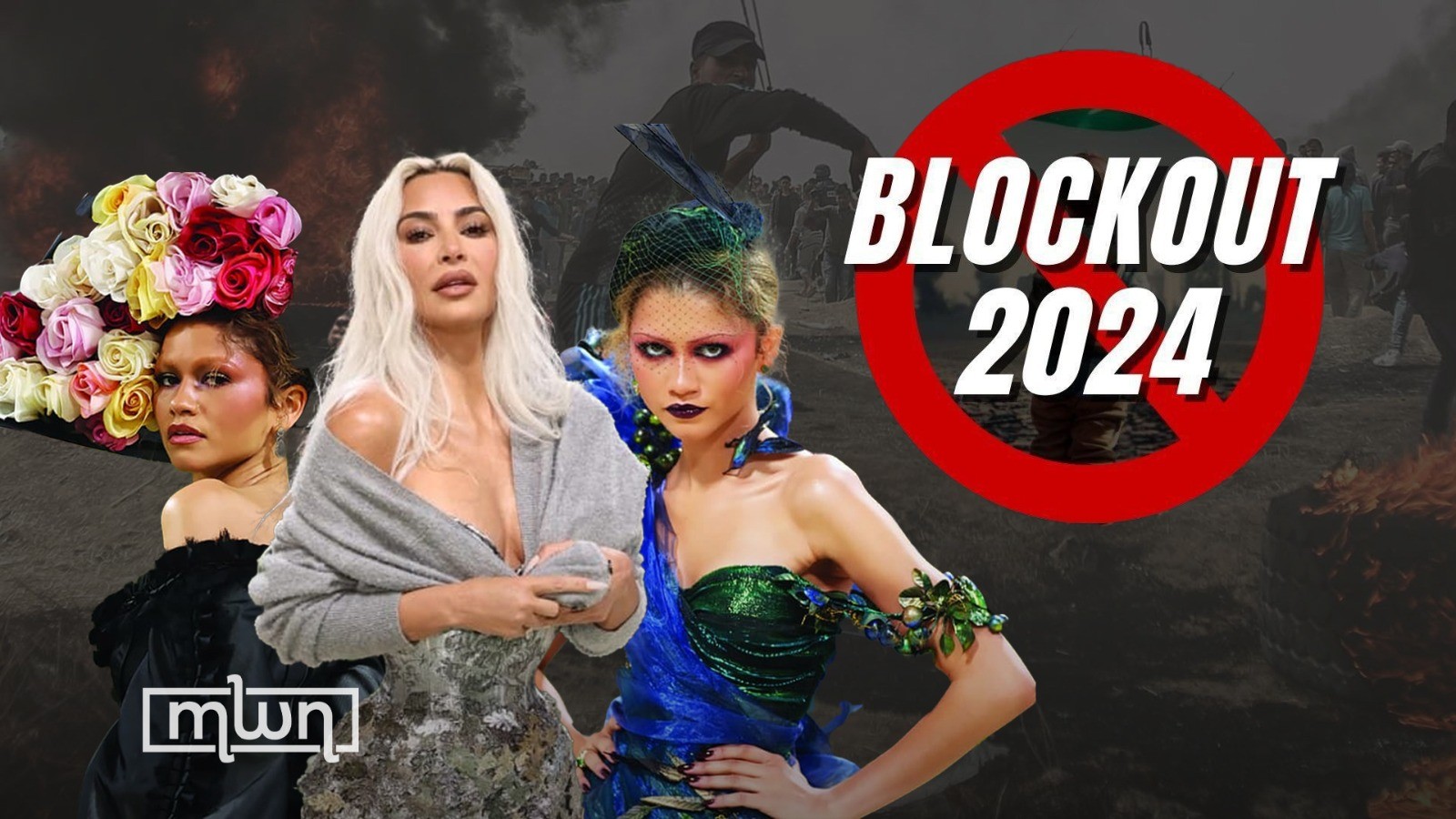
Rabat – In the wake of the Israeli Occupation Forces’ bloody war on Gaza, a digital movement known as “Blockout 2024” has emerged on social media targeting celebrities who remained silent or indifferent to the crisis.
The movement also targets celebrities and influencers collaborating with brands and companies supporting Israel, seeking to pressure them to take a stand on humanitarian issues and raise awareness about the suffering in Gaza.
The movement, which gained traction after this year’s Met Gala, aims to hold celebrities accountable for their lack of acknowledgement or support for the Palestinian people amid Israeli aggression.
The “Blockout 2024” campaign involves social media users digitally boycotting famous personalities, including Hollywood actors and social media influencers, by blocking them on platforms like Instagram, TikTok, and X.
By blocking these celebrities, participants seek to diminish their social media engagement and subsequently reduce their earnings from advertising deals.
Met Gala? More like The Hunger Games

The catalyst for the movement was the controversy surrounding this year’s Met Gala, where lavishly dressed celebrities were criticized for their silence on the Gaza crisis.
The annual gala coincided with the mass exodus of over 350,000 Palestinians from Rafah after the IOF sent out evacuation orders before launching its ground offensive on the southern city.
The Met Gala was compared to “The Hunger Games” trilogy due to its immense display of wealth in the wake of the humanitarian crisis in Gaza.
Just like in the dystopian novels, where the wealthy Capitol contrasted sharply with the impoverished districts, the Met Gala’s opulence stood out against broader societal inequalities, notably the plight of Palestinians.
Social media users criticized the event for its lavish spending, with tickets priced at $75,000 and tables starting at $350,000.
Singer Camila Cabello’s choice of a $22,500 handcrafted ice purse for the Met Gala particularly stirred controversy and criticism. The ice purse, which took 85 hours to complete, featured an 18k rose gold rose with diamonds and water from the NEVAS in Germany. The purse was seen melting throughout the event.
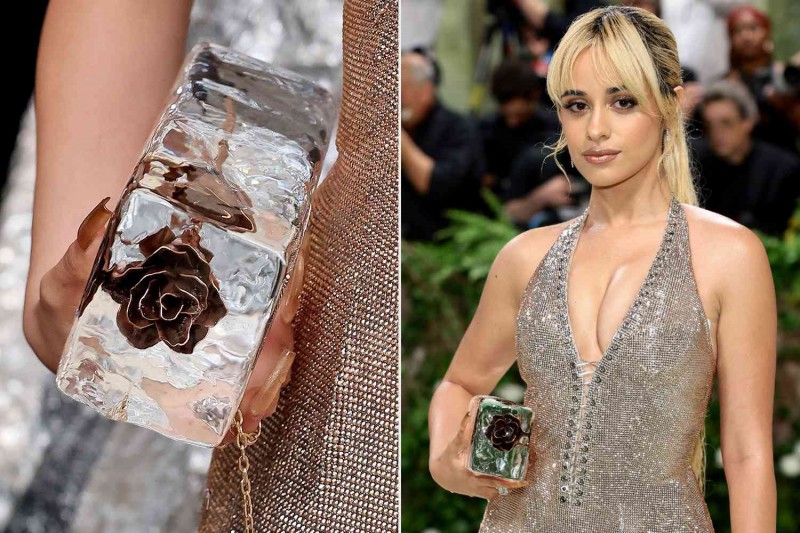
Singer Camila Cabello carrying her $22,500 handcrafted ice purse for the Met Gala
Meanwhile, hundreds of thousands of Palestinian civilians, including children, struggle to secure one meal per day as malnutrition and food security continue to worsen in the war-torn Gaza Strip.
Both The Hunger Games and the Met Gala involve a spectacle that distracts from the underlying issues. In the novels, the Hunger Games is a form of entertainment for the Capitol citizens, diverting attention away from the oppression faced by the districts.
Similarly, the Met Gala, with its glamorous red carpet and celebrity attendees, was seen as a spectacle that draws attention away from pressing political and social issues.
‘Let them eat cake’
Influencer Haleyy Baylee further sparked controversy with a video from the Met Gala where she lip-synced to the line “Let them eat cake,” attributed to Marie Antoinette, the Queen of France, during the last days of the French monarchy in the late 18th century.
The phrase is often used to illustrate a perceived lack of empathy or understanding of the plight of the poor. The story goes that when Marie Antoinette was told that the French peasants had no bread to eat, she replied: “Let them eat cake.”
Many found Baylee’s video insensitive given the current crisis in Gaza, leading to backlash and the influencer’s subsequent apology. Baylee’s video is thought to have sparked the Blockout 2024 campaign.
The “Blockout 2024” list includes Israeli Hollywood actress Gal Gadot, who lost at least one million followers on Instagram due to the campaign according to the Jerusalem Post.
Other targeted celebrities include American media personality Kim Kardashian, Zendaya, Selena Gomez, Beyonce, Rihana, and Kylie Jenner, all of whom lost significant numbers of followers.
Morocco and the Arab World
The campaign has extended to the Arab world as well, with MENA bloggers and activists encouraging people to join the movement and boycott celebrities who did not speak out or support Gaza.
This includes Lebanese singers Nancy Ajram and Elissa, Iraqi singer Kadim Al Sahir, among others.
Some Arab influencers were also targeted in the campaign, with their followers unfollowing them or boycotting their sponsored content.
Moroccan influencers and celebrities were also targeted in the campaign for their silence on the war on Gaza or for collaborating with brands that support Israel.
Lists containing the names of these celebrities were widely shared across social media platforms, urging users to boycott and block them.
The campaign aims to hold these public figures accountable for their actions or lack thereof, as well as highlight the importance of using their platforms to address humanitarian issues and stand in solidarity with the people of Gaza.