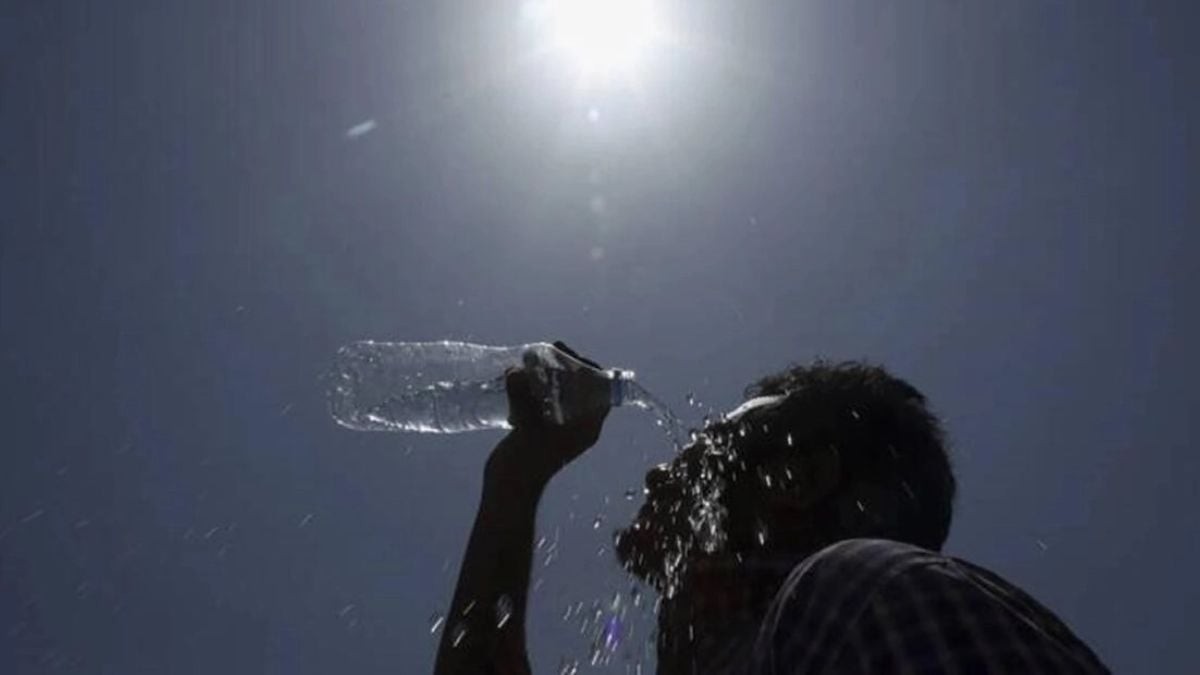
Rabat-A new report by the European Union’s Copernicus Climate Change Service (C3S) has declared April 2024 the hottest April on record, marking an 11-month streak of soaring temperatures worldwide.
Since June 2023, each month has surpassed historical temperature records, with April 2024 standing out as 1.58 degrees Celsius warmer than the pre-industrial period (1850-1900), the report detailed. This alarming trend has raised concerns about the impact of human-induced climate change on the planet’s climate system.
The global average temperature for the past 12 months has exceeded the critical 1.5 degrees Celsius threshold set by the 2015 Paris climate agreement, signaling a pressing need for urgent action to mitigate the effects of climate change. The repercussions of this temperature surge have been felt across continents, with diverging extremes witnessed in different regions.
Eastern Europe and large parts of Africa have in recent years grappled with unprecedented heatwaves, leading to school closures in South Sudan and daytime temperatures exceeding 30 degrees Celsius in spring.
Meanwhile, Europe experienced varying conditions, with wetter-than-average weather in some areas and drier conditions in southern Spain, Italy, and the Western Balkans.
In Australia, heavy rains battered eastern regions, while northern Mexico faced drier-than-normal conditions. The United Arab Emirates and Dubai also experienced unprecedented floods, and Brazil continued to battle catastrophic flooding that has claimed more than 90 lives.
Read also : UAE Allocates $544 Million for Flood Repairs After Record Rains
The impact of these soaring temperatures extended beyond land, with average sea surface temperatures hitting record highs for the 13th consecutive month. This trend, coupled with warmer oceans, poses a threat to marine ecosystems and exacerbates the absorption of greenhouse gas emissions, further intensifying the global warming crisis.
As scientists make sense of these data, questions arise about whether human activities have triggered a tipping point in the climate system.
The urgency to address climate change is underscored by the observations of experts like Hayley Fowler, a climate scientist at Newcastle University, who warns that the world is on the brink of breaching the Paris Agreement’s target of limiting global warming to 1.5 degrees Celsius.
The need for immediate and concerted efforts to combat climate change has never been more pressing.
Among experts, the prevailing consensus is that the world stands at a critical juncture, where decisive action is imperative to safeguard the planet and future generations from the escalating impacts of a warming climate.
Read also : 66 Dead as Devastating Floods and Landslides Ravage Southern most Brazil