 Join on WhatsApp
 Join on Telegram
Rabat – Morocco is planning to expand irrigation technology to a total area of one million hectares by 2030, the Minister of Agriculture, Maritime Fisheries, Rural Development, and Water and Forests, Mohamed Sadiki, said on Tuesday.
While answering MPs’ questions in the parliament, Sadiki detailed the measures taken to double water efficiency and support the sustainability of irrigated agriculture.
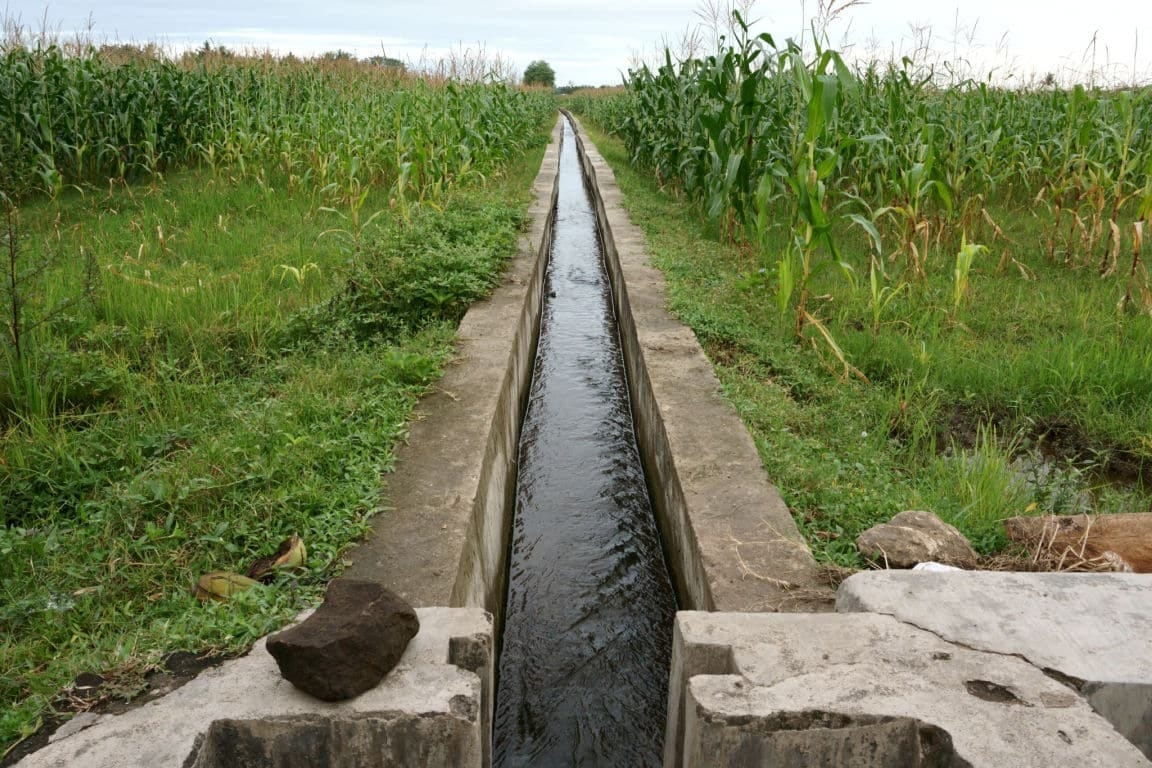
Key to these measures are the expansion of irrigation downstream from dams over 70,000 hectares, and the rehabilitation of small and medium hydraulic perimeters over 200,000 hectares.
The ministry equally plans to increase water supply by constructing dams and establishing desalination plants to irrigate an additional 120,000 hectares.
The minister also recalled structural projects such as water conveyance and interconnection between water basins, which will provide approximately one billion cubic meters of water.
He emphasized that these efforts will allow the agricultural sector to mobilize a strategic water stock of about 3 billion cubic meters, crucial for achieving food sovereignty.
Sadiki noted that the ministry’s initiatives have already expanded total irrigated areas to 1.8 million hectares and modernized irrigation networks over 175,000 hectares, with more than 80% concerning smallholders.
In addition, 850,000 hectares have been equipped with drip irrigation systems. He also highlighted the necessity to prioritize the preservation of fruit trees and permanent crops, as well as to rationalize water use in collaboration with relevant partners.
The lingering drought in Morocco is taking a toll on the country’s rainfall-dependent agriculture.
The rain deficit took a toll on crops, as sown areas in autumn and winter shrank, with cereals being the hardest hit by the trend. Land allocated to cultivating cereals contracted by 31% compared to normal campaigns.
Read Also: Moroccan Water Reserves for Irrigation Fall by 80% As Scarcity Continues