
Rabat – The World Health Organization (WHO) is set to commence a critical polio vaccination campaign in Gaza after Israel agreed to implement daily nine-hour ceasefires in select areas of the besieged enclave.
While falling short of a full ceasefire, these pauses in hostilities will allow WHO teams to begin administering the vaccine to over 640,000 children under the age of five, with the goal of curbing the re-emergence of polio in the territory.
Who had initially sought a full ceasefire to ensure the safety of health workers and children during the vaccination drive. Margaret Harris, WHO spokesperson, acknowledged that the arrangement is less than ideal but described it as the “best workable solution” under the circumstances.
“It’s not perfect … but it’s the best workable solution we have at the moment,” Harris told Al Jazeera, highlighting the urgency of vaccinating Gaza’s children amid the ongoing war.
She emphasized the importance of Israeli forces upholding their commitment to guarantee the safety of those participating in the campaign, which will focus on central, southern, and northern areas of Gaza.
The WHO has already delivered 1.2 million doses of the polio vaccine to Gaza ahead of the campaign, scheduled to start on September 1. An additional 400,000 doses are expected to arrive shortly.
Despite the effort, Harris indicated that the initial three-day campaign may not be sufficient to cover all targeted children, and discussions are underway with Israeli authorities to extend the campaign by at least one day.
Gaza had not reported any polio cases in 25 years until a baby was diagnosed with the disease earlier this month, prompting concerns over the re-emergence of the virus.
The WHO has yet to determine how polio resurfaced in the enclave but noted similarities with a variant found in neighboring Egypt. Declining vaccination coverage in Gaza, which fell from 99 percent in 2022 to 89 percent in 2023, coupled with deteriorating sanitation and living conditions, has likely contributed to the outbreak.
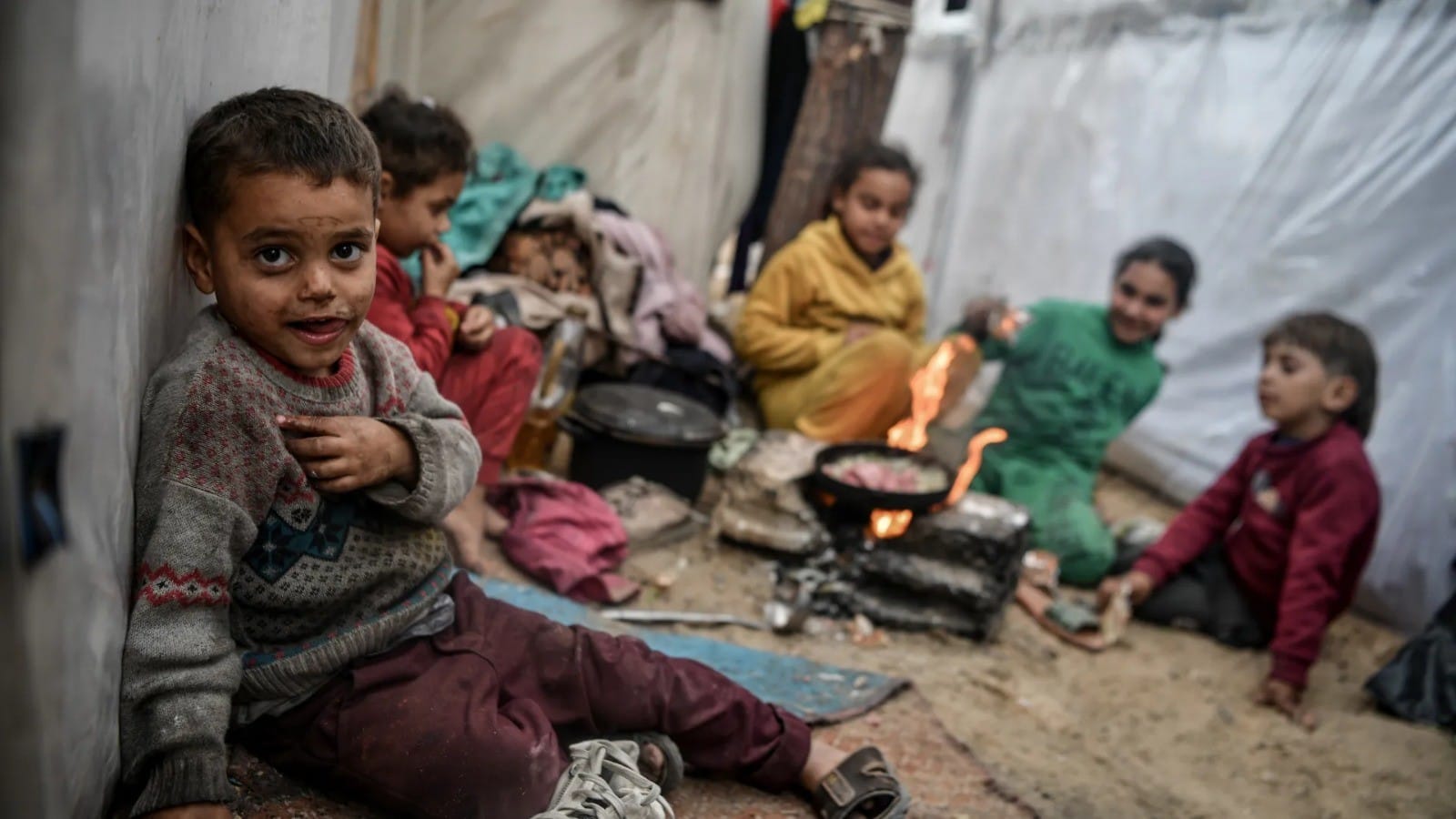
The campaign comes at a time when much of Gaza’s population is enduring harsh conditions, with many living in tents, facing limited water access, and exposure to open sewers, factors that have exacerbated the risk of disease transmission.