 Join on WhatsApp
 Join on Telegram
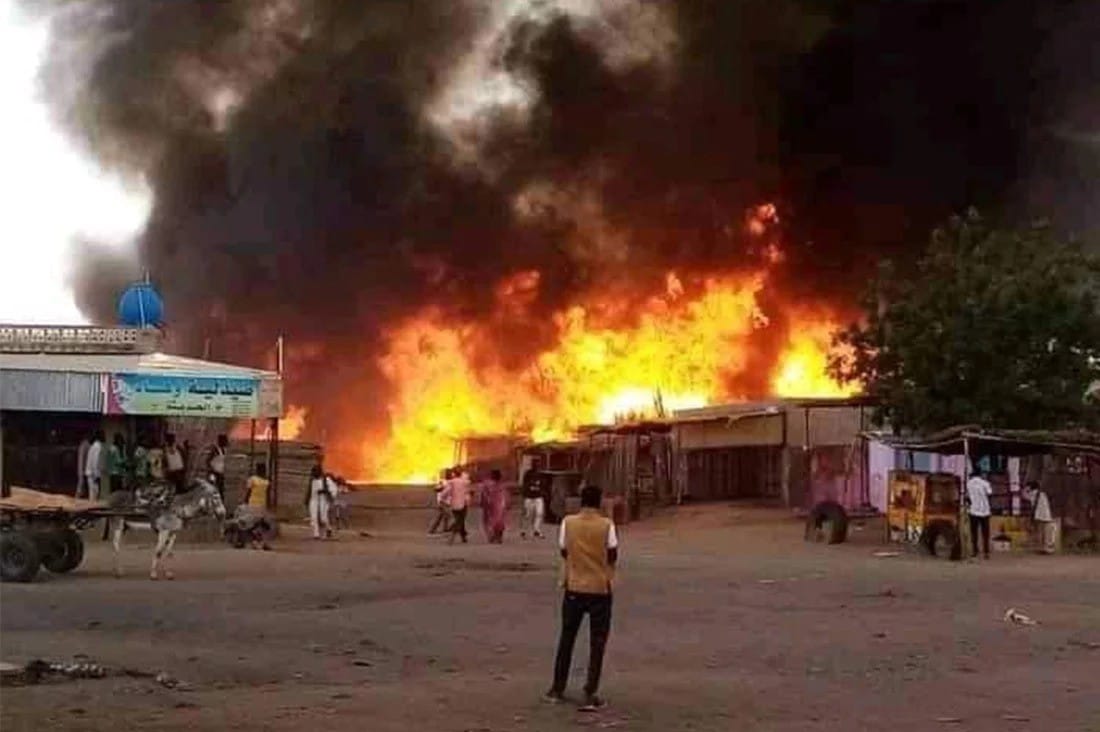
Rabat – Sudan has reached a grim milestone as 500 days of relentless conflict have devastated the nation, leaving thousands dead and millions in dire need of humanitarian assistance.
Since the outbreak of violence, more than 18,000 people have been killed, over 33,000 injured, and approximately 10 million displaced—7 million of whom remain within Sudan’s borders, marking it as the world’s largest displacement crisis.
“The situation is nothing short of catastrophic. The international community cannot continue to turn a blind eye to the escalating devastation and suffering,” warned Abdirahman Ali, Country Director of CARE Sudan.
He emphasized that the ongoing war has decimated the healthcare system, crippled food supplies, and subjected women and girls to increased sexual and gender-based violence.
With over 75% of health facilities destroyed, access to essential medical services has become nearly impossible. Pregnant women face life-threatening complications without adequate care, and civilians wounded in ongoing clashes must undertake perilous journeys to find treatment.
The humanitarian crisis is further exemplified by personal stories like that of Hawa, a 60-year-old mother from Khartoum. “The war shattered our peaceful lives. My husband was shot on his way to the market, and we were forced to flee amid unimaginable horrors,” she recounted.
After a treacherous journey fraught with danger and scarcity, Hawa’s family found temporary safety in Kassala, but continues to struggle with basic necessities.
Compounding the crisis, severe flooding has destroyed homes and swept away displacement camps, rendering many roads impassable and hindering aid delivery. A cholera outbreak has claimed at least 22 lives, adding another layer of urgency to the dire situation.
Additionally, millions are facing acute hunger, with some regions teetering on the edge of famine due to missed planting seasons and inaccessible markets.
Humanitarian organizations are urging warring parties to agree to a nationwide ceasefire and adhere to international humanitarian laws by protecting civilians and allowing unobstructed access to aid.
Donors are also called upon to fund comprehensive, gender-sensitive relief efforts to address the escalating needs effectively.