Marrakech – A recent report from the Institute for Security Studies (ISS), a think tank based in Pretoria, South Africa, reveals that the Polisario Front, the separatist movement seeking to divide Morocco’s southern provinces, is “gradually but steadily losing ground” in its conflict with Morocco.
The report highlights the growing international support for Morocco’s Autonomy Plan concerning the Western Sahara, which proposes granting the region limited autonomy under Moroccan sovereignty.
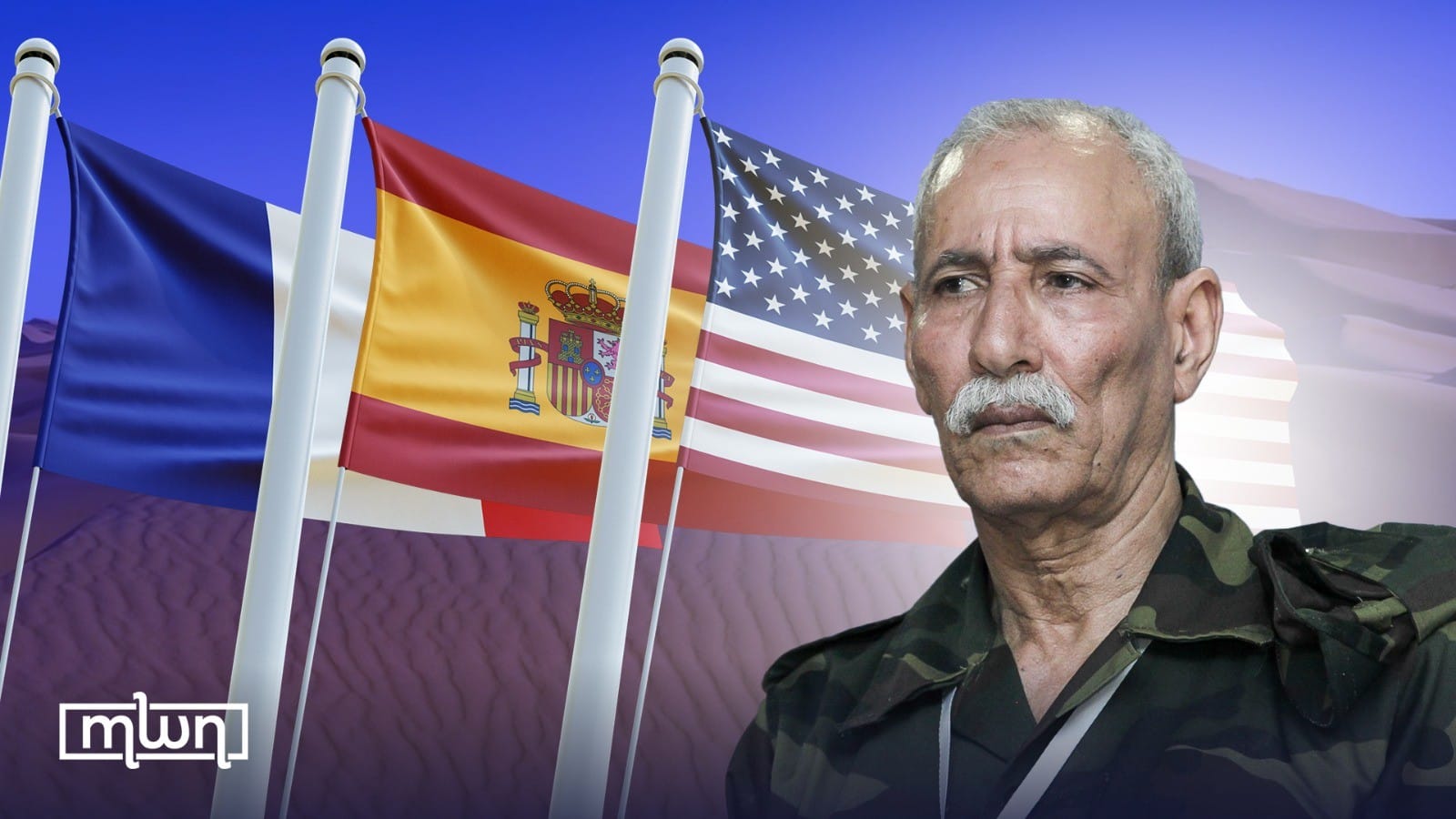
According to the ISS report, “The biggest blow has been the recognition of Rabat’s autonomy plan by three big players.”
The United States recognized Morocco’s sovereignty over its southern provinces in the Sahara in 2020 under then-President Donald Trump.
Spain backed Morocco’s Autonomy Plan in 2022, and most recently, French President Emmanuel Macron expressed support for the plan in a letter to King Mohammed VI, calling it the “only basis” for resolving the conflict.
The report notes that these shifts in support have “provoked Polisario into resuming its armed struggle.”
“It has been noteworthy how Morocco has kept the Western Sahara issue completely off the AU agenda,” says Liesl Louw-Vaudran, AU Senior Adviser at the International Crisis Group, as quoted in the report. “It’s as if it does not exist.”
The ISS report also highlights the erosion of support for the self-styled “Sahrawi Arab Democratic Republic” (SADR) within the African Union.
While the SADR is recognized by the African Union and remains a member, the report states that “quite a few nations are sitting on the fence,” with around 22 African states recognizing the SADR and several others withdrawing or freezing their recognition in recent years.
In contrast, Morocco has 22 African countries that have opened consulates in its southern provinces, implying recognition of its sovereignty.
South Africa losing passion for the Polisario cause
Even some South African government officials are losing heart in the Polisario’s cause. The ISS report quotes one official who perceives “an erosion of support for the SADR and a steady growth in support for Morocco’s claim to sovereignty.”
The official noted that the Polisario Front had not mobilized the same level of grassroots international support as the ANC had done against the apartheid government.
Interestingly, the Polisario Front’s own representative in South Africa, Mohamed Beisat, acknowledged this shortcoming.
“Beisat acknowledges that his organisation hasn’t mobilised the mass international support that the ANC did to end apartheid in South Africa and the Palestinians did for their cause,” the ISS report states.
Morocco has consistently maintained that the Polisario leaders are not legitimate representatives of the population in its southern provinces and that the proposed referendum on independence is unrealistic.
Instead, the North African country has focused on garnering international support for its Autonomy Plan as the only viable solution to the conflict.
As the ISS report concludes, the UN’s official position calling for a referendum is likely to face resistance from France and the US, who may seek to have the Security Council adopt Morocco’s autonomy proposal as the only way forward.
With the Polisario Front’s support eroding and Morocco’s Autonomy Plan gaining traction, the dynamics of the conflict appear to be shifting in favor of a final resolution to this decades-long dispute that respects Morocco’s territorial integrity.
Read also: Western Sahara Diplomacy Is Already One of King Mohammed VI’s Lasting Legacies