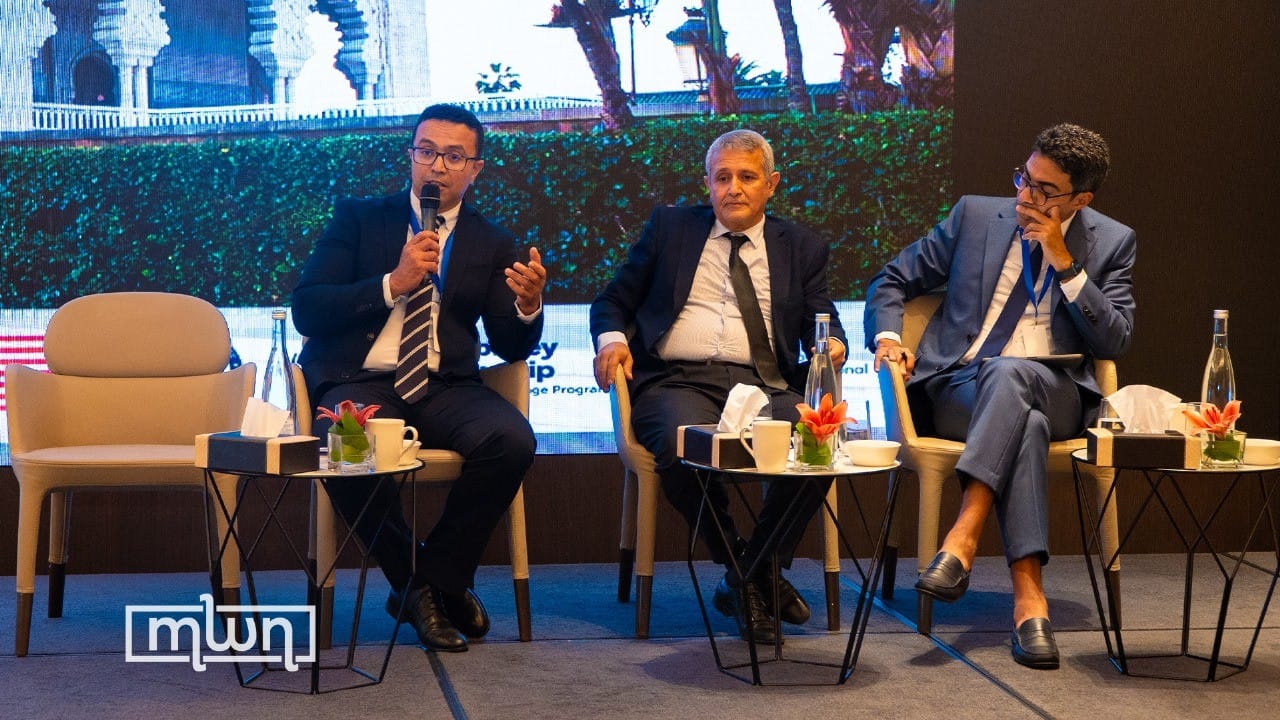
Rabat – Rabat hosted on Monday a gathering of Moroccan alumni from the US Fulbright’s Humphrey Fellowship Program, bringing together leaders from various sectors across the country to address critical issues facing the country.
The event, part of the Humphrey Global Policy Dialogue, aimed to harness the collective experiences of these leaders to propose actionable solutions for Morocco’s pressing challenges.
Addressing climate change and sustainability
Fouad Laajin, a Project Manager in the environmental sector, shared insights during a panel discussion titled “Climate Change and Sustainability.” Morocco is grappling with the same climate change issues that many countries face, he stressed, citing the urgent problem of water scarcity.
He elaborated on the country’s significant water management challenges, noting that Morocco now has way less cubic meters of water available per person compared to previous decades. This reduction poses a severe threat to everyday life, as well as to agricultural practices, which heavily rely on consistent water access, he explained.
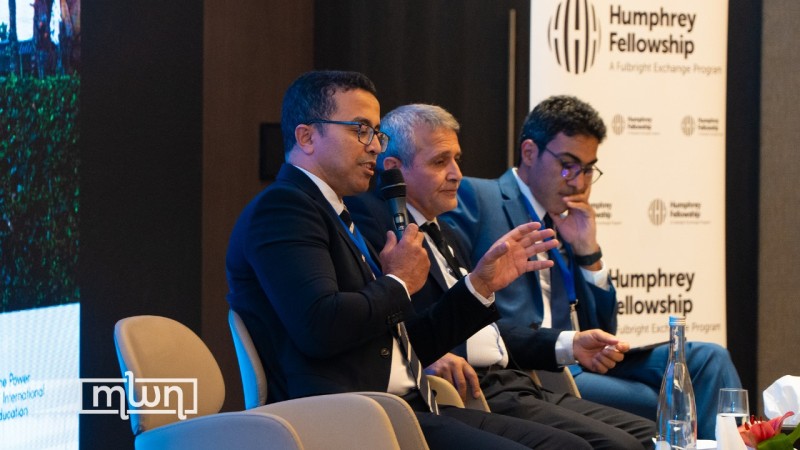
“I wanted to talk about other challenges because whenever we talk about climate change in Morocco, the first challenge that we talk about is just water,” Laajin added.
However, he highlighted other significant environmental issues, such as wildfires and deforestation. “Morocco has lately had a lot of wildfires and deforestation problems. We also have extreme heat,” he noted.
Laajin recalled the tragic incident that occured last month in Beni Mellal, where several individuals died due to extreme temperatures. Morocco is not prepared for such climate extremes, he stressed, urging attendees to broaden the discussion beyond water to include rising ocean levels, which threaten coastal communities. “Besides water, we have other problems that we should also focus on,” he said.
The role of education in social change
Rachid Sadouk, another Humphrey alumnus, spoke with Morocco World News about his own experiences with the fellowship, which he received nearly 20 years ago. “I wish every single Moroccan could have that chance to learn from our friends in the US about policies and how to manage economics, human rights,” he said.
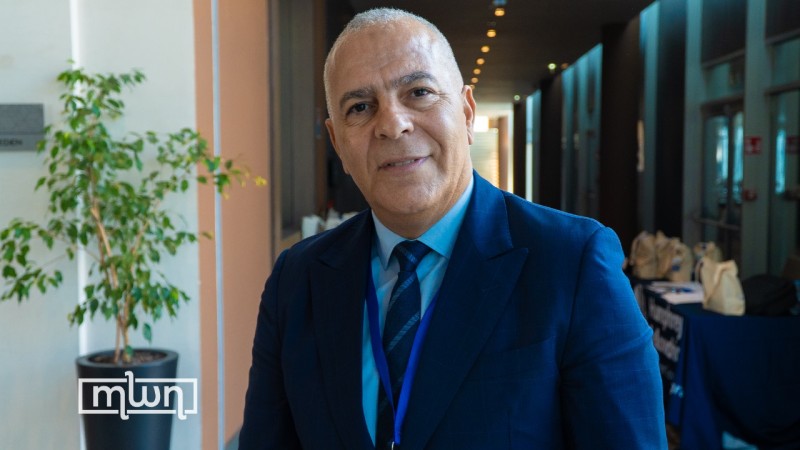
Sadouk emphasized the importance of human rights in the context of the event, which he said seeks to enhance the rule of law in Morocco. “Every panel is going to discuss specific themes, ranging from healthcare to economic dimensions of human rights,” he noted.
He reiterated the need for seriousness in education and professional responsibility, stating: “As Moroccans, we need to bear this responsibility to participate in the global welfare of our fellow Moroccans.” Sadouk believes that the knowledge gained through programs like the Humphrey Fellowship can significantly contribute to Morocco’s development.
Social inequality and development
Meanwhile, Ahmed Reda Chami, President of the Economic, Social and Environmental Council (CESE) and a Fulbright alumnus, shared his thoughts on the progress Morocco has made in the past two decades in terms of economy, social life, and infrastructure.
While he acknowledged advancements in various sectors, he cautioned that not all Moroccans have benefited equally.

“But who has benefited more? Have all Moroccans benefited the same way? Unfortunately not,” he told MWN, adding that “inequality has been increasing between Moroccans.”
Chami underlined the importance of a new development model aimed at inclusivity and ensuring that vulnerable populations, including women and people with disabilities, receive essential support.
“No Moroccan should feel that they are left behind,” he said in his opening remarks.
He emphasized that education serves as a crucial social elevator in the face of such challenges. “If you give people the right education, then they will find their way,” he said, advocating for comprehensive reforms in the education sector.
Chami pointed to the recent teaching model reforms being implemented, which aim to improve educational outcomes across the country. “The results are just amazing,” he said as he expressed optimism for the future of education in Morocco.
Meanwhile, Rebecca Geffner, Executive Director of the Moroccan American Commission for Educational & Cultural Exchange (MACECE), highlighted the significance of the Humphrey alumni network. She described the event as a unique convergence of professionals from both the public and private sectors, coming together to discuss critical issues such as sustainability, economic development, and governance.

“This is not your typical academic conference,” she told MWN. “What we hope the outcome of the event will be is a call to action and an action plan on what they can actually do within their own institutions.” Geffner believes that Humphrey alumni’s expertise and experiences from their stay in the US can play a critical role in addressing Morocco’s challenges.
Throughout the day, panelists discussed topics related to global health policies, human rights and social policies, climate change, as well as economic policy.
As discussions unfolded, participants were encouraged to think critically about the solutions they could implement within their respective fields.
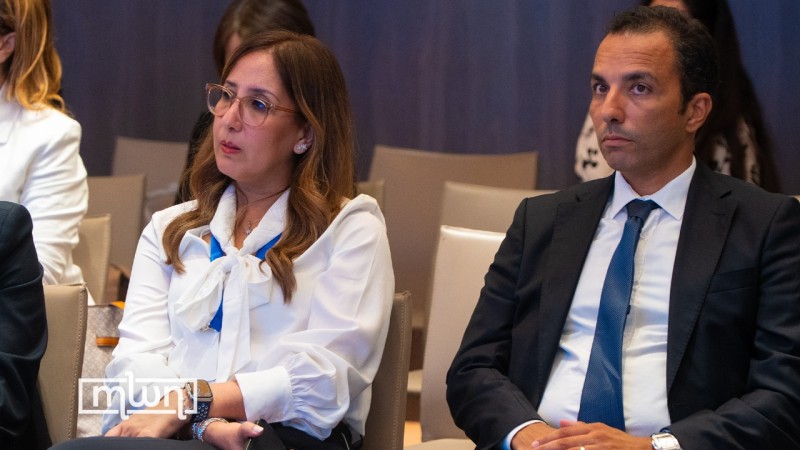
Each participant shared their unique perspective and experiences for the shared goal of shaping Morocco’s future policies by making meaningful contributions to their communities.
The event culminated in a shared commitment among participants to take actionable steps towards fostering a better future for Morocco.