
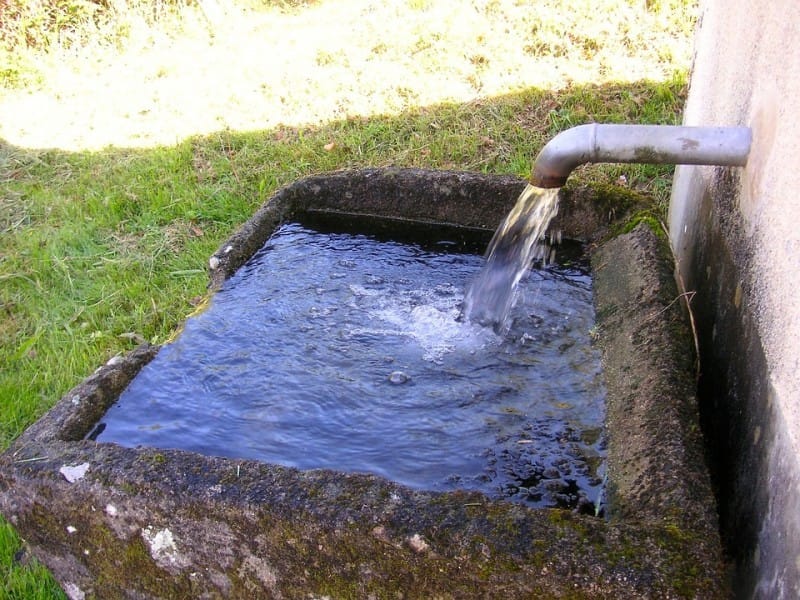
Rabat – The National Office of Electricity and Water (ONEE) announced that water production at the Afourar treatment plant has returned to normal levels as of Tuesday evening.
The city of Beni Mellal, Afourar, and nearby areas have been struggling with a severe water shortage, leaving residents without water in their homes for over five days and causing significant distress.
After last week’s rainfall in the Beni Mellal region, the Bin El Ouidane dam, essential for the Afourar treatment plant that provides drinking water to Beni Mellal, gained more than 10 million cubic meters of water.
The influx of water increased sediment levels in the dam, prompting ONEE to temporarily suspend the water supply to Beni Mellal from this station and shift reliance to the Ain Asserdoune treatment plant and underground wells in Sidi Jaber.
According to ONEE’s Regional Center for the Water Department, the dam’s abrupt drop in water levels impaired raw water quality, making it difficult to process to the required standards.
This issue led to a temporary 50% reduction in the water supply to Beni Mellal and surrounding areas.
Amid the water shortage, online videos showed women, men, and children struggling with heavy buckets and enduring long waits for water under harsh conditions.
Many families have been forced to ration water strictly, limiting its use to drinking and cooking, while activities like bathing and washing have been severely affected.
Water production resumed gradually by Tuesday morning and was fully normalized by evening.
In response to the persistent water shortage, Morocco is devising a plethora of strategies to tackle pressing water challenges as part of its national program, following the guidance provided by King Mohammed VI in his 25th Throne Day Speech.
Read Also: Agdez Dam Targets Water Scarcity in Draa-Tafilalet Region