 Join on WhatsApp
 Join on Telegram
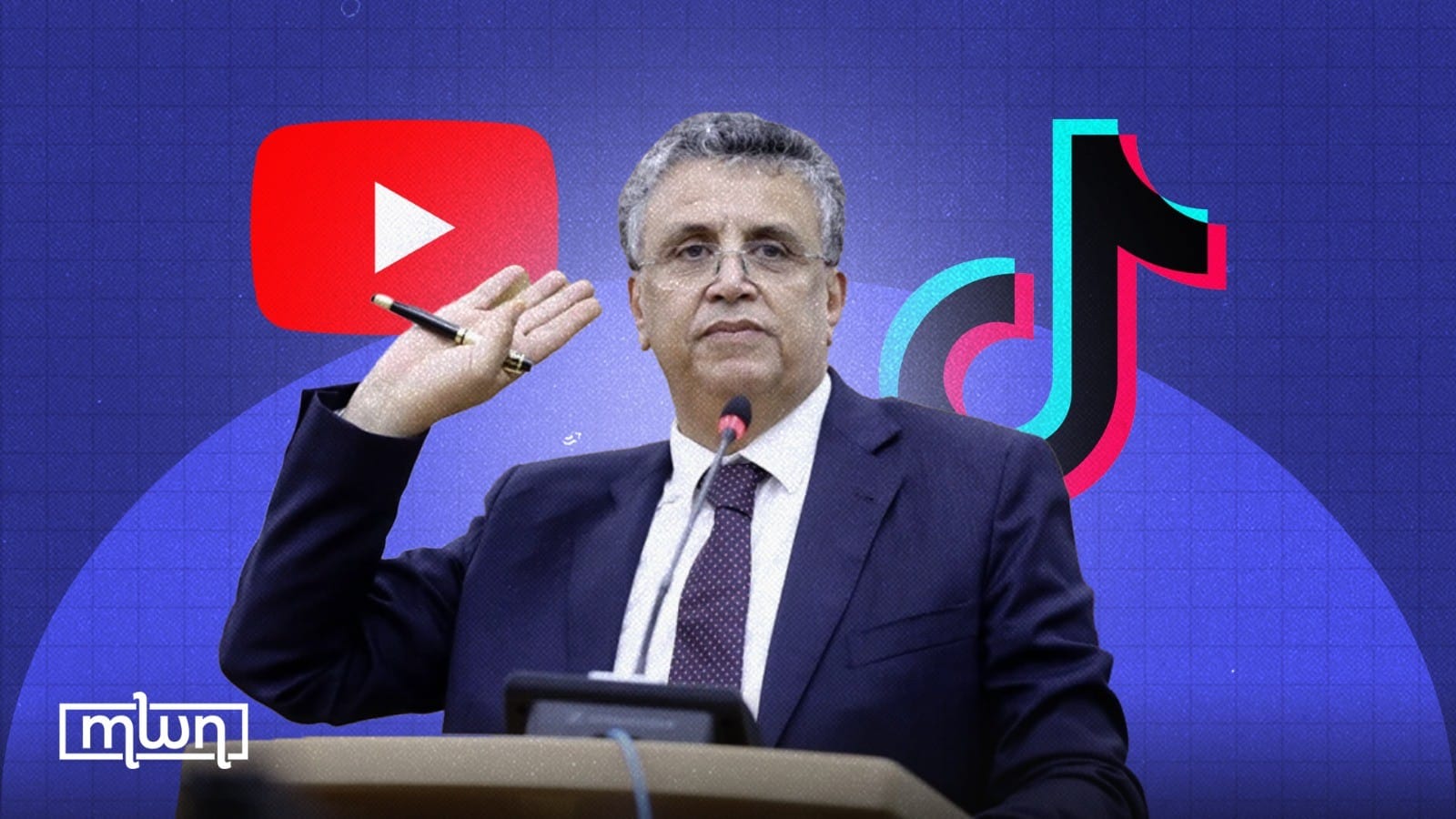
Doha – In a televised interview on Monday evening, Morocco’s Minister of Justice, Abdellatif Ouahbi, announced his intention to introduce strict penalties in the penal code to address misconduct on social media platforms such as TikTok and YouTube.
Ouahbi emphasized the need to put an end to the current state of “media anarchy” and protect citizens’ privacy and dignity.
“The solution consists of promulgating articles in the penal code aimed at sanctioning these acts, with years of imprisonment. That is what we have done,” he stated during the interview on Morocco’s 2M television channel.
“We are going to put an end to what is happening on TikTok and YouTube, such as filming people’s private lives without their permission.”
The minister expressed concern over the lack of a legal framework regulating social media content, noting that individuals feel free to say whatever they want about government officials and ministers on platforms like YouTube. “We are going to adopt a special text to penalize these excesses,” he asserted.
Ouahbi’s comments come amidst growing calls for tighter regulation of social media in Morocco, particularly in light of the increasing incidents of defamation and privacy violations.
Human dignity and private life are sacred and inviolable, the minister stressed, questioning the right of individuals to photograph or film others without their consent.
The proposed amendments to the penal code are expected to criminalize a wide range of offenses, including illegal filming, photographing or filming without consent, and any acts that infringe upon individual liberties, including those of women and families.
Read also: Benkirane: Ouahbi’s Corruption is Unacceptable in ‘Commander of Faithful’ Government
Ouahbi hinted at the possibility of expanding the scope of criminalization even further to address these issues comprehensively.
This is not the first time the minister has spoken out about the need for stricter regulation of social media.
In December 2022, during a session at the House of Representatives, Ouahbi pledged to deal “strictly” with defamation on social networks and websites.
“In the upcoming penal code, there will be severe sanctions against those who share photos via WhatsApp or Facebook, and those who are not journalists and do so via web pages or on YouTube to attack people’s private lives,” he had promised at the time.
While the proposed measures have raised concerns among some observers about potential implications for freedom of speech and expression, both of which are guaranteed by the Moroccan Constitution, the minister maintains that finding a balance between protecting society from crime and safeguarding individual rights and freedoms is crucial.