 Join on WhatsApp
 Join on Telegram
Rabat – Human rights advocates and experts gathered in Geneva on Monday to denounce the ongoing recruitment of children into armed conflicts worldwide, with a particular focus on the Tindouf camps in Algeria.
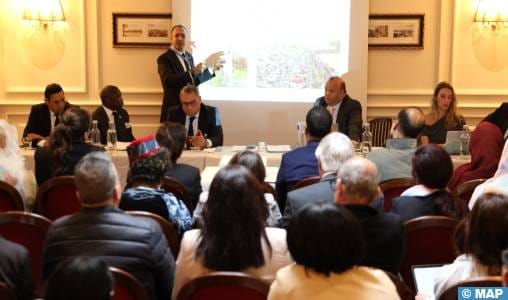
The panel discussion, held on the sidelines of the Human Rights Council’s 57th session, highlighted the grave violations of children’s rights and the detrimental impact on peace and development.
Abdelkader Filali, President of the International Research Centre for the Prevention of Child Soldiers, presented a new report detailing the experiences of children forced to join armed groups in conflict zones like Sudan and Yemen.
The report also explored opportunities for combating child soldier recruitment, emphasizing the positive impact of South-South cooperation initiatives such as the Atlantic Initiative for Sahel countries.
Filali’s report highlighted the harrowing experiences of children who had fled conflict zones, often undertaking perilous journeys to seek asylum in Europe.
The report also documented the ways in which armed groups exploit children’s vulnerability, using them as combatants, porters, and sex slaves.
Spanish human rights activist Pedro Ignacio Altamirano condemned the crimes committed against children in the Tindouf camps, accusing the Polisario Front of depriving them of their basic rights to security, education, and life.
He questioned how anyone could speak of the right to development when peace and stability were not even being considered by the separatist leadership.
Altamirano’s remarks were echoed by other panelists, who expressed deep concern about the plight of children caught in the crossfire of conflicts around the world.
They emphasized the need for international action to protect children from the devastating consequences of armed conflict and to promote peace and development in vulnerable regions.
Lahcen Naji, President of the Independent Human Rights Network in Geneva, moderated the panel discussion, which focused on the challenges to the right to development in Africa and the Middle East.
He noted that conflicts in these regions hindered access to essential services like healthcare and socio-economic development.
Ayman Okaile, President of the NGO Maat for Peace, Development and Human Rights, highlighted the obstacles to implementing the right to development in the Arab world, including poverty, armed conflict, climate change, and insufficient funding.
Okaile emphasized that escalating conflicts had significantly undermined efforts to promote development, with states in the region losing billions of dollars due to violence.
The panel discussion concluded with a call for increased international cooperation to address the root causes of child soldier recruitment and to protect children’s rights in conflict-affected areas.
The panelists further stressed the importance of holding perpetrators accountable for their crimes and providing support to victims of child soldier recruitment.