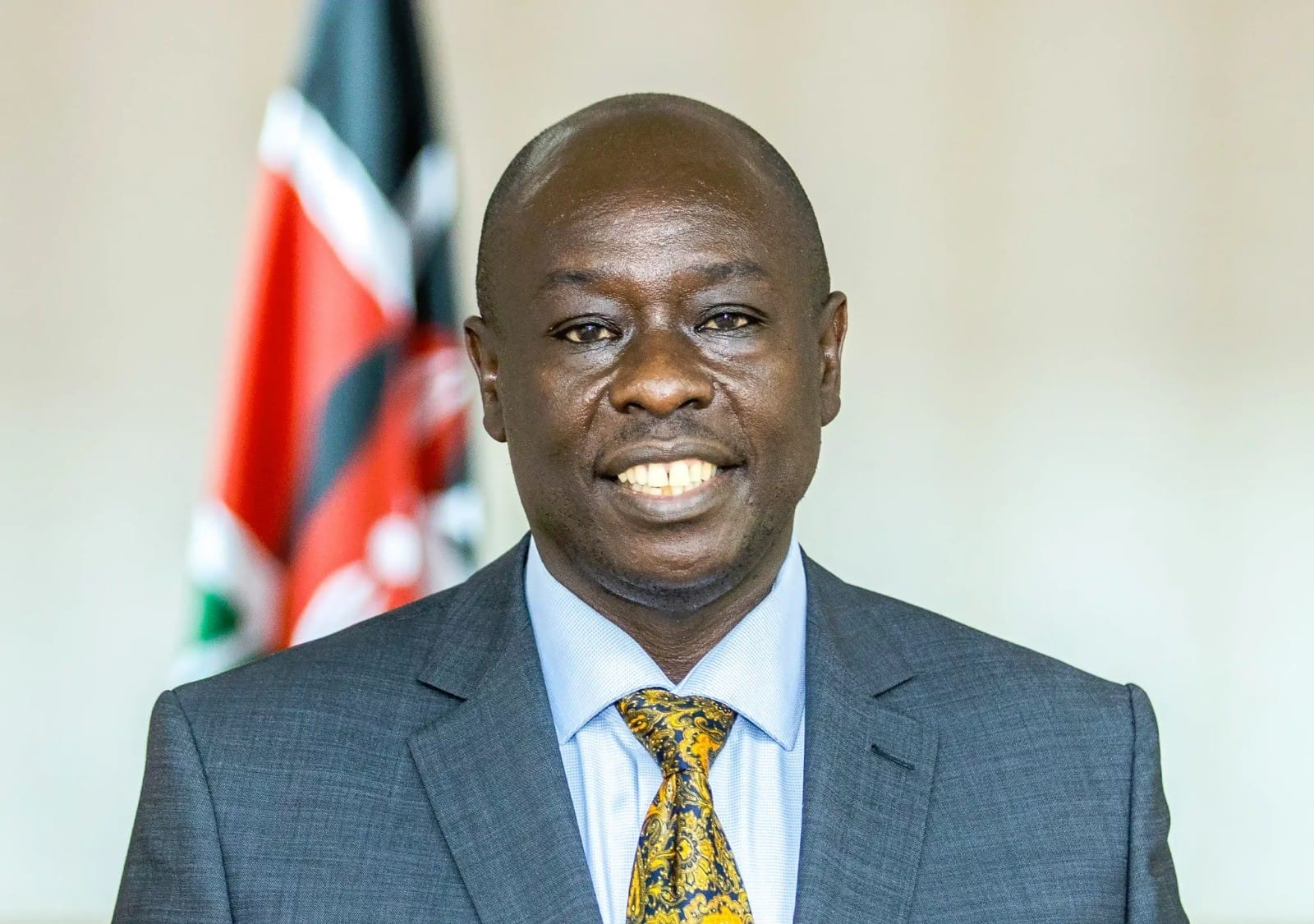
Rabat – Kenya’s Senate voted late Thursday to impeach Vice President Rigathi Gachagua, finding him guilty of five out of eleven corruption-related charges.
Gachagua’s removal marks the first time a Kenyan vice president has been ousted through constitutional impeachment, raising significant questions about the country’s political stability and governance.
The decision underlines deepening tensions within President William Ruto’s administration and casts uncertainty over the future of Kenya’s leadership.
At the heart of Gachagua’s impeachment are accusations of embezzlement, influence peddling, and fraudulent property dealings.
While Gachagua, 59, has repeatedly dismissed the charges as politically motivated, calling them “pure propaganda,” his impeachment illustrates the intensifying power struggle between him and President Ruto.
Once a key ally, Gachagua played a pivotal role in Ruto’s narrow 2022 election victory, especially in the strategic Mount Kenya region. His removal signals a turning point in the deteriorating relationship between the country’s top leaders.
“This was the only constitutional remedy,” said Aaron Cheruiyot, the Senate majority leader, defending the decision. “Impeachment was necessary to address the political paralysis that has gripped the presidency and vice presidency, affecting the broader governance of the country.”
Gachagua’s fall from grace is emblematic of deeper structural challenges in Kenyan politics. His impeachment, while a legal and procedural outcome, also mirrors the country’s ongoing struggles with corruption, which have long plagued the political elite.
The vice president’s absence from critical moments of his own defense, particularly after being hospitalized for chest pains mid-proceedings, added to the drama of the night.
His legal team’s request for a delay in the Senate vote was rejected, despite protests from some lawmakers who questioned the fairness of the process.
“The speed at which this was carried out raises important questions about due process,” argued Senator Karungo Thangwaune. “Why conduct a late-night vote when the vice president is absent and unwell? This moment deserves a thorough and transparent process.”
Nonetheless, the Senate moved forward, reflecting both the urgency of the political crisis and the pressure to resolve growing public discontent.
Gachagua’s impeachment comes on the heels of months of anti-government protests in June and July, during which at least 60 people were killed.
Demonstrators demanded President Ruto’s resignation over rising economic hardship, with critics accusing Gachagua of failing to support the president during the crisis.
This turbulence within the country’s leadership raises broader concerns about the disconnect between Kenya’s political elite and its population.
For many Kenyans, the impeachment may be seen as a necessary step toward accountability, but it also highlights a deepening sense of alienation from the political class.
While Gachagua has vowed to challenge the decision in court, his ousting is likely to have lasting repercussions on Kenya’s political future.
President Ruto now faces the critical task of nominating a new vice president within 14 days, a decision that will require parliamentary approval. Such a choice could either stabilize the administration or exacerbate the already fragile political climate.