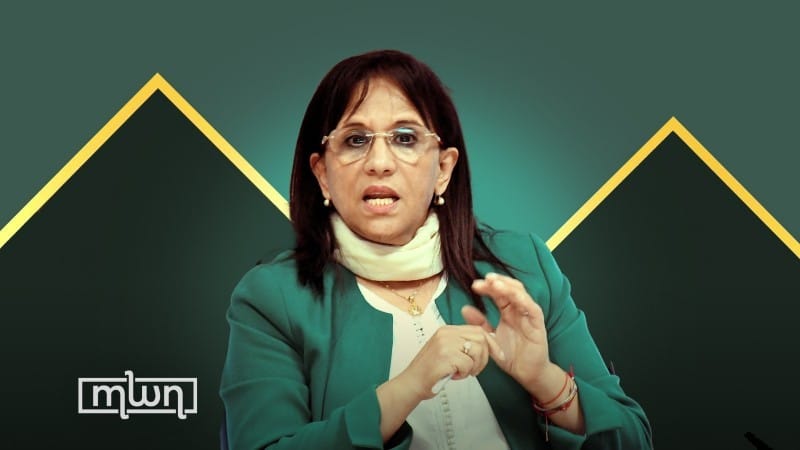
Doha – Amina Bouayach, President of Morocco’s National Human Rights Council (CNDH), delivered today a significant address at a seminar launching a training program on the Istanbul Protocol. The event, focused on enhancing judges’ capabilities in human rights, was organized by the Public Prosecutor’s Office.
Bouayach stressed the importance of the Istanbul Protocol, particularly its 2022 revision, in providing internationally agreed-upon standards for investigating and documenting allegations of torture and ill-treatment.
She noted that the protocol outlines seven main requirements, including “detecting and documenting cases of torture allegations, commitment to principles of neutrality and independence, ensuring legal and judicial procedures, conducting psychological examinations, providing guidelines for interviews, and capacity building and awareness-raising.”
Furthermore, Bouayach emphasized the integral connection between the Istanbul Protocol and forensic medicine in safeguarding human rights.
“Forensic doctors are essential for implementing the Istanbul Protocol. They are responsible for accurate documentation and scientific evaluation of physical and psychological signs of torture,” she stated.
The CNDH president explained that forensic medicine can provide judicial officials with precise assessments based on scientific and objective evidence, crucial for judicial investigations to protect potential victims’ rights and ensure justice.
Addressing legal reforms, Bouayach called for the integration of Istanbul Protocol principles into Morocco’s criminal procedure code.
She recommended that “any allegation of torture at any stage of investigation or trial should automatically trigger a medical examination, and the person concerned should be informed of their right to a counter-examination.”
Additionally, she suggested shifting the burden of proof in gender-based violence cases to law enforcement authorities rather than victims.
Bouayach acknowledged that while the current draft of the criminal procedure code includes some relevant provisions – such as audio-visual recording during preliminary investigations, presence of defense counsel during interrogations, and measures to protect victims of violence and sexual assault – further enhancements are needed to fully align with the Istanbul Protocol’s standards.
The CNDH president concluded remarking that the Istanbul Protocol and forensic medicine are “two fundamental pillars in protecting human rights and combating torture and ill-treatment” through their normative and scientific tools.
She stressed their joint contribution to ensuring justice, compensating victims, and adopting rigorous and independent criminal procedures.
The Istanbul Protocol, officially known as the Manual on Effective Investigation and Documentation of Torture and Other Cruel, Inhuman or Degrading Treatment or Punishment, was first established as a United Nations document in 1999.
It provides international guidelines for assessing individuals who allege torture and ill-treatment, investigating such cases, and reporting findings to judicial and investigative bodies.
While not legally binding, the protocol serves as a crucial tool for governments to fulfill their international legal obligations to investigate, document, and prosecute incidents of torture comprehensively, effectively, promptly, and impartially.
The most recent revision of the Istanbul Protocol was published by the UN in June 2022, expanding and updating its guidance for legal and medical professionals involved in torture investigations.
Read also: Amina Bouayach: Morocco Has Come to Terms with Its Complex History