 Join on WhatsApp
 Join on Telegram
The European Investment Bank (EIB), one of Morocco’s largest partners, has a long history of supporting Morocco’s development and reform projects. Focusing on fostering socio-economic growth and progress, the bank frequently pledges to assist Morocco in achieving its reform goals.
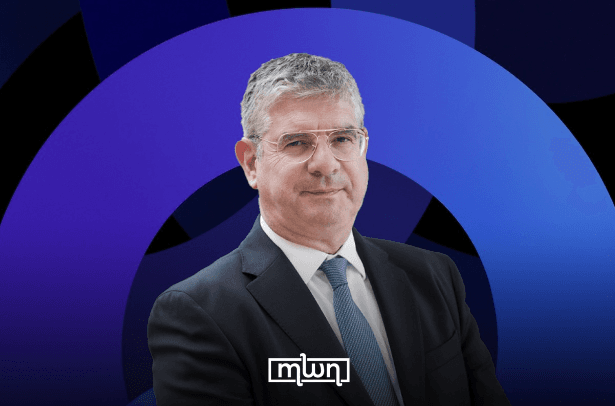
Ioannis Tsakiris, the EIB’s vice president, reiterated this commitment to its partnership with Morocco during an interview with Morocco World News (MWN).
Tsakiris discussed several aspects of EIB-Morocco cooperation – including the significant €1 billion loan that the bank is providing to support the Moroccan government in mitigating the effects of the devastating earthquake that struck the Al Haouz region in September last year.
Post-earthquake support
The Al Haouz disaster claimed at least 3,000 lives and left 5,000 others injured while it devastated villages and damaged towns, prompting the EIB as well as Morocco’s government and several other partners to step in and assist with recovery efforts.
“The first tranche of €500 million, signed in October 2024, marks the beginning of this substantial contribution, guaranteed by the European Union,” the EIB Vice President told MWN.
With extensive experience in the European Investment Fund, Tsakiris said EIB’s loan focuses on funding rehabilitation programs of critical public infrastructure in the most affected areas, with three main priorities.
The list includes rebuilding schools, healthcare facilities, and transport networks as well as putting in place enhanced seismic standards to provide resilience to future disasters.
It also aims to implement sustainable energy solutions to improve local climate adaptation and energy efficiency.
The loan will also cover the reconstruction of local schools that provide access to education for over 30,000 students.
“It will also restore essential healthcare services and rebuild key roads, helping the hardest-hit communities reconnect and recover,” he remarked, noting that these efforts are part of Morocco’s broader reconstruction program, aimed at revitalizing the hard-hit areas.
The planning includes the reconstruction of schools, including 20 facilities with the aim to provide safe, modern, and energy-efficient learning environments.
The project also includes healthcare facilities that will restore essential medical services.
This is in addition to other upgrading programs covering roads and bridges in rural and isolated eras, where the goal is to improve connectivity, facilitate economic activity, and ensure access to essential services.
Supporting Morocco’s sustainable goals
Tsakiris said the EIB’s commitment is closely aligned with Morocco’s sustainable development goals as part of the UN’s SDGs, supporting long-term sustainability and resilient sectors.
“By incorporating seismic-resistant designs and climate resilience measures, we are ensuring that Morocco’s infrastructure is better equipped to handle future challenges posed by natural disasters and climate change,” the EIB vice president said.
According to the Sustainable Development UN platform, Morocco began implementing SDGs in the early 2000s.
The website acknowledged that the efforts enabled the country to boost its accumulation of physical capital and promote its human capital to accelerate economic growth in terms of poverty reduction, reducing inequalities as well as boosting employment.
Several reports highlighted Morocco’s well-documented economic growth, showcasing the country’s robust performance across various sectors.
Bank Al-Maghrib, the country’s central bank, forecasts a slowdown in economic growth to 2.8% by the end of 2024, but expects a rebound of 4.44% in 2025.
“Overall, the EIB’s support ensures that post-earthquake recovery is not only about rebuilding what was lost but about creating stronger, greener, and more resilient infrastructure,” Tsakiris said, noting that the approach reinforces Morocco’s long-term goals of building social equity, environmental sustainability, and economic resilience.
An extended cooperation
The partnership between Morocco and the EIB extends beyond recovery aid, the EIB official noted, emphasizing the bank’s commitment to fostering long-term development and sustainability in various sectors, including infrastructure and renewable energy.
“Beyond immediate recovery, the EIB is committed to ensuring that these infrastructures are modern, sustainable, and resilient,” he argued.
Tsakiris further stressed the bank’s commitment to playing a critical role in supporting small and medium-sized enterprises through partnerships with Moroccan banks like CIH, Banque Centrale Populaire, and Bank of Africa, as well as Caixa Bank and other financial institutions.
“These initiatives foster private sector growth, innovation, and resilience, particularly in export-driven sectors like agri-food, textiles, and automotive,” Tsakiris stressed.
Agriculture, textiles, and automotive are some of the key sectors contributing to the country’s economic growth.
Tsakiris’s reassuring comments come as Morocco continues to accumulate significant successes in various sectors, including textiles, automotive, and aeronautics, positioning the country as a prime destination for international investments.
The North African kingdom recently surpassed China to become the EU’s top automotive trading partner, with its exports to the European Union valued at euro 15.1 billion in 2023, compared to China’s 13.6 billion.
The overall collaboration between Morocco and the bank remains satisfactory for both parties, witnessing a robust commitment to continue to fulfill shared and mutual goals.
The EIB has long recognized Morocco as a steadfast partner, investing nearly 10 billion euros in the North African country since 1979.
The investments usually span many key sectors, including renewable energy, urban infrastructure, healthcare, and education reforms.
Morocco is also recognized for its concrete efforts to establish itself not only as a regional leader but also as an international frontrunner in renewable energies. Building on its solar and wind power projects, the country is now betting on hydrogen as the driver of its silently ongoing but ultimately ambitious and revolutionary transition to cleaner and more sustainable energy sourcing.
On October 8 this year, the Moroccan government announced plans to create 30,000 jobs in the burgeoning green hydrogen sector, a key ambition to continue building its renewable energy production capacity.
As Tsakiris sees it, Morocco’s leadership in the sector makes it an important partner for many, including the EIB, which over the past two decades has continued to finance major projects in the North African country. “Working with the Moroccan Agency for Sustainable Energy (MASEN) and the National Office of Electricity and Drinking Water (ONEE), we have co-financed landmark initiatives like the Noor Ouarzazate Solar Complex (580 MW), one of the world’s largest concentrated solar power plants,” Tsakiris told MWN.
The project, which has been co-financed by the EIB in three phases since 2012, is key to Morocco’s target of generating 52% of its electricity from renewable sources by 2030, the EIB official continued.
Of the major projects that EIB supports in Morocco, Tsakiris, who held senior positions in European venture capital markets, cited the Noor Atlas PV plants, the wind farms of the Integrated Wind Project (850 MW), and the Abdelmoumen Pumped Storage Power Station.
Given his strong background in energy-related experiences, the EIB’s Vice President believes that these projects will significantly enhance Morocco’s wind and hydroelectric capacity.
“These projects ensure energy storage, and grid stability, and support Morocco’s green transition. We also financed the first feasibility study for an offshore wind farm, further expanding the country’s renewable energy frontiers,” he said.
The EIB’s support extends beyond the energy sector to include key other sectors like infrastructure, including the Casablanca Tramway, while also contributing to the healthcare and education sectors.
“Our approach is based on a strong partnership with the Moroccan government, including key ministries,” Tsakiris said. He also stressed what he presented as the dire need for maintaining cooperation with local stakeholders that contribute to the successful implementation of EIB projects, including banks like BCP, CIH, and Bank of Africa.
Through cooperation with local financial institutions, EIB feels more accessible to small and medium-sized enterprises and midcaps fostering private sector growth and resilience, he said, adding that the partnership also allows the bank to support export-led industries and value chains.
In particular, Tsakiris spoke emphatically to the importance of partnerships with other stakeholders like ONEE and MASEN, two key players in Morocco’s energy sector.
“These partnerships ensure that the country’s renewable energy projects are not only technically sound but also closely aligned with local needs and capacities, helping Morocco meet its ambitious climate goals,” he said, while also acknowledging the important role of local communities in civil society in shaping the outcomes of EIB projects.
The projects are notably also successful thanks to the support of the EU delegation in Rabat, the EIB Vice President noted, emphasizing how this is vital in ensuring coordination with broader EU Morocco frameworks.
“The EU’s involvement, especially in providing technical assistance, guaranteeing our loans, and facilitating dialogue, helps streamline the implementation of projects, ensuring that reforms are effective,” he said.
Venues for opportunity
According to Tsakiris, the EIB is committed to deepening its collaboration with Morocco, particularly in areas that align with the country’s long-term development goals.
He emphasized the significant opportunities for strengthening ties between Morocco and the bank, highlighting the shared determination to foster cooperation in several areas, with sustainable energy remaining a top priority.
The bank, he added, recognizes substantial potential for collaboration in renewable projects like solar, wind, and hydrogen.
He also expressed confidence that similar investment will help Morocco achieve its 2050 net zero emissions targets, positioning the country as a regional leader in clean energy production and export.
This shows the EIB’s determination to continue looking for opportunity venues to boost cooperation with partners like MASEN and ONEE, he argued.
The EIB also sees a pressing need for modern, climate-resilient infrastructure in Morocco’s urban areas, recognizing the potential for increased investment in urban development.
As part of its goals, the EIB also aims to continue financing small and medium enterprises, particularly those involved in export-driven value chains like textiles, automotive, and agro-food. In this sense, the EIB’s vice president expressed his commitment to support social infrastructure, focusing on enhancing healthcare and education to ensure holistic growth and sustainability in the North African country.
“In every sector, our ambition is to help Morocco accelerate its development agenda by providing the financing and expertise needed to build a more sustainable, inclusive, and resilient future,” Tsakiris said, adding that EIB is determined to continue supporting Morocco’s ongoing reforms in a “way that is sustainable, inclusive, and tailored” to the country’s long term goals.