
 Join on WhatsApp
 Join on Telegram
Rabat – Morocco’s National Institute of Archaeology and Heritage Sciences (INSAP) has announced a discovery revealing that humans in North Africa may have practiced medicinal plant use as far back as 15,000 years ago.
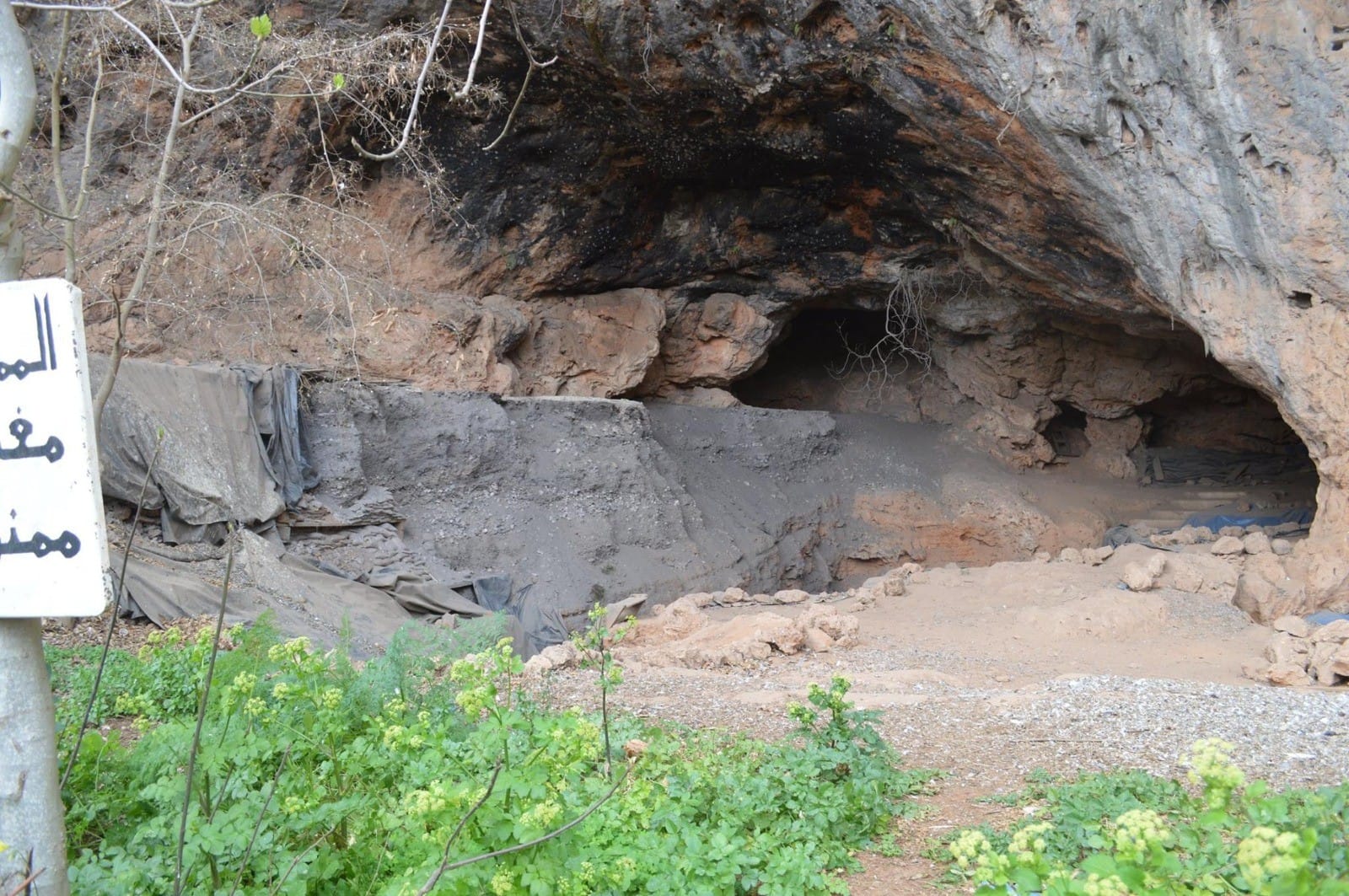
An international team of archaeologists found evidence in Morocco’s Taforalt Cave, also known as the Cave of the Pigeons, indicating that ancient inhabitants in the area used plants from the Ephedra genus, likely for their medicinal properties.
Recently published in the journal Nature, the research uncovered an early understanding of herbal remedies in the region. The study explores the discovery of ancient plant remains in Taforalt Cave, specifically focusing on Ephedra, a plant rich in medicinal compounds.
According to the study, Ephedra contains alkaloids such as ephedrine and pseudoephedrine, which are known for their use in traditional medicine for relieving congestion, stimulating the nervous system, and treating other ailments.
Located in northeastern Morocco, the cave was previously known for its human burials and archaeological richness dating from the Stone Age. This new discovery, however, is the oldest recorded instance of plant-based medicinal use in the region.
The team uncovered charred fruits of the Ephedra plant in a section of the cave designated for burial rituals. The plant is believed to have been used by these Stone Age groups to alleviate pain or aid in post-surgical recovery.
The findings also add to earlier discoveries at Taforalt Cave, where a human skull with evidence of trepanation—a type of cranial surgery—was found. Dating back 15,000 years, this skull showed that the individual survived the procedure, with the wound showing signs of healing.
Read also: Oldest Known Human Face Reconstructed from 300,000-Year-Old Moroccan Remains
It is possible that Ephedra, or other plants with medicinal properties, was applied to manage pain and promote healing after such operations. Researchers believe that the ancient residents of Taforalt may have also used plants to manage pain during other traditional practices, such as tooth avulsion.
The research team included figures from INSAP and other international institutions. Key contributors to the discovery include Doctor Abdeljalil Bouzouggar, INSAP’s director and lead archaeologist at Taforalt.
Morocco World News spoke with Bouzouggar, who clarified that the team found seeds of the Ephedra plant rather than other parts, indicating that ancient people specifically understood the medicinal use of the seeds.
Bouzouggar explained that researchers had previously wondered about the remarkable recovery of a person who underwent an ancient surgical procedure, evidenced by the healing seen on a bone. “This procedure would have been painful and involved significant bleeding, leading the team to suggest that Ephedra was used to stop bleeding and soothe pain,” he said.
Bouzouggar also mentioned a ritual involving tooth avulsion, a coming-of-age ritual that involved the removal of incisors in young boys and girls. He said that the ritual likely required the use of the plant to alleviate pain.
Ephedra was not consumed for food but specifically for medical purposes, he emphasized, noting that all human remains and plant evidence found in Taforalt Cave date back approximately 15,000 years, which reinforces the connection between the plan’s use and these early human practices.