 Join on WhatsApp
 Join on Telegram
In July 1971, President Richard Nixon made a stunning announcement on live television that he would visit the People’s Republic of China the following year. Nixon believed a stable world order required the participation and cooperation of the People’s Republic of China, a nation of 850 million people with fast-growing foreign policy ambitions. The China visit would be a bold Cold War gambit with the hope of moving China away from Russia’s ideological orbit.
The bold move paid off: Just two months after Nixon returned from Beijing, Nixon and Soviet leader Leonid Brezhnev signed the long-delayed Strategic Arms Limitation Treaty (SALT).
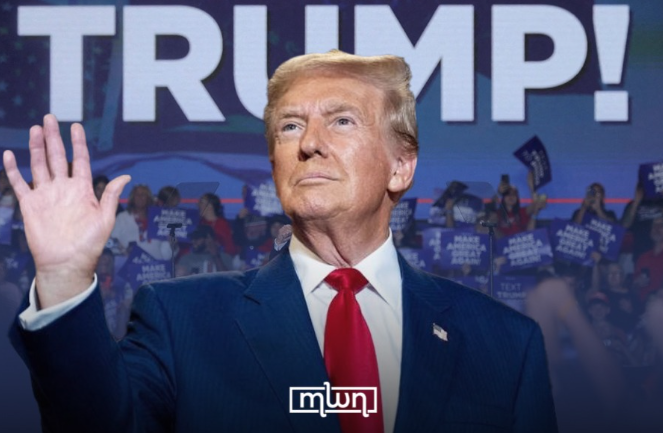
Fast forward to November 2024. President Trump’s stunning re-election promises a second act for a style of diplomacy that is uniquely Donald Trump: audacious and undisciplined. “I don’t think we’ve ever been closer to World War III than we are right now,” Trump said in an August speech to National Guard officers in Michigan.
Unlike Nixon’s trip to China, Trump’s three summit meetings with North Korean leader Kim Jong Un yielded dramatic photos but did little to contain North Korea’s nuclear and ballistic missile programs. In 2025, Trump will likely know which world leaders relish his brand of personal diplomacy.
Eight years ago, “America First” was rooted in trade imbalance issues and a desire for a domestic industrial renaissance. In his first term, Trump instituted trade tariffs on China worth more than $80 billion. China then announced its own tariffs on American products like wine, fruits and pork. Economists generally agree tariff costs are borne by consumers, and President Trump has said tariffs are again on the table when he takes office in January. A comprehensive trade agreement (as well as a new security paradigm) with China eluded him in his first term. What will the relationship between President Trump and Xi Jinping look like 2025?
As Trump prepares to take office in eight weeks, we perhaps have a hint of more unorthodox diplomacy. SpaceX, Tesla and X/Twitter titan Elon Musk, a close adviser to President-elect Donald Trump, met with Iran’s ambassador to the United Nations in New York City last month. Few details emerged but the two apparently discussed ways to defuse the many tensions that exist between Iran and the United States; the long list of issues include the abandoned 2015 JCPOA nuclear accord, Iran-Israel military engagements, Iran’s military support for its regional proxies like Hezbollah in Lebanon and Hamas in the Gaza Strip, among other issues. Unnamed Iranian sources called the meeting with Musk “good news”, according to media sources.
Will President Trump utilize Elon Musk, a global player in his own right, in sensitive policy areas like trade with China, space exploration endeavors, global warming/renewable energy, and crypto-currency issues? There’s a host of new challenges for the new administration—and new faces in the incoming administration that seem to reflect a close personal connection to the former president.
Pending Senate confirmation, Trump’s Secretary of State will be Florida Senator Marco Rubio, the son of Cuban immigrants. Rubio shares many of Trump’s views on America’s most significant threats (China, Iran, North Korea, and for Rubio: Cuba). How much room will Rubio have to maneuver on key foreign policy issues?
Like Trump, Rubio believes the Ukraine conflict needs a rapid negotiated end. On that issue and others, it may be that Trump and Rubio will deliver a potent good cop-bad cop routine in key foreign policy areas—bravado followed by gentle arm-twisting and deal making. Trump’s national security advisor designee is also from Florida. Congressman Michael Waltz is a combat-decorated Green Beret soldier who shares Trump’s world view on important policy issues.
There may be more high-volume rhetoric on the issue of NATO financial burden-sharing, but Trump will find his views on burden sharing have not fallen on deaf ears over the past eight years. Russia’s full attack on Ukraine has rattled many NATO allies. NATO Secretary-General Mark Rutte posted on X that he has spoken to Trump, and that the incoming president’s “leadership will again be key to keeping our alliance strong.”
In the Middle East, Trump will find Arab allies supportive of his return to power even as they grow weary of the ongoing conflict involving Israel, Gaza and Lebanon. The Abraham Accords were groundbreaking in 2020 but the security realities have changed since then. The Gulf Cooperation Council is, well, cooperating again. Trump and his diplomatic team will need the engagement of regional heavyweights—Mohammad bin Salman, Qatar Sheikh al Thani, among others—to get further movement toward regional normalization with Israel.
Eight years after he first entered the world stage as president, Trump will have the benefit of experience to draw from as he deals with significant threats to core American strategic interests. He now likely knows the value and limitations of high-profile personal diplomacy.
The wisdom of essayist and humorist Mark Twain finds new relevance in the complex foreign policy challenges that await President Trump 2.0: All you need in this life is ignorance and confidence, and then success is sure.