
 Join on WhatsApp
 Join on Telegram
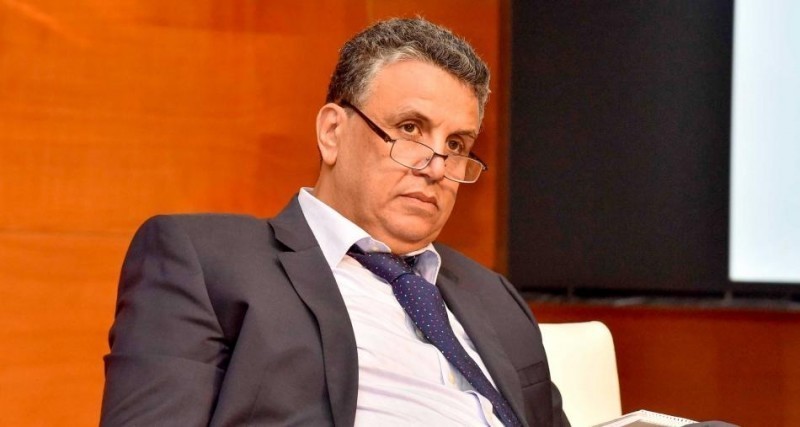
Rabat – The proposed reforms to Morocco’s Family Code aim to modernize family law while maintaining social cohesion and respecting religious values, Justice Minister Abdellatif Ouahbi stated during yesterday’s royal working session in Casablanca.
Presented to King Mohammed VI, the recommendations seek to tackle societal challenges and promote lasting stability for Moroccan families.
Since its landmark introduction in 2004, the Family Code, or Moudawana, was seen as a progressive shift from the outdated 1958 code. However, its implementation revealed consistent shortcomings in certain provisions, encountering opposition from various segments of Moroccan society and resistance from conservative practices within the judicial system.
Ouahbi explained that the proposed reforms aim to strike a balance between Morocco’s evolving social realities and its religious and international commitments.
Developed through extensive consultations, the proposals focus on strengthening the legal framework for family matters by advancing women’s rights, safeguarding children’s interests, and improving judicial efficiency in family disputes.
The reforms also look to tackle critical issues such as child marriage, polygamy, custody, financial support, and divorce-related conflicts. According to the minister, the objective is to resolve legal inconsistencies, accelerate judicial procedures, and boost the role of the public prosecutor in handling family cases.
Read Also: The Moudawana: A Look into Previous Reforms
The reform process is guided by directives in a royal letter underlining the importance of inclusivity, dialogue, and collaboration with a broad range of stakeholders.
Contributions from civil society groups, political and institutional representatives, religious scholars, and legal experts also helped ensure the proposals reflect the needs and diversity of Moroccan society.
Ouahbi added that the commission worked within the timeline set by the king to deliver comprehensive reforms. These proposals go beyond legal amendments, aiming to shape a Family Code that embodies Morocco’s values and aspirations.
The reforms signal a major step toward fostering greater equality, justice, and stability, addressing longstanding issues that impact families across the country.
Announcing clear directives yesterday, King Mohammed VI called for a balanced and inclusive approach to reform that respects the country’s religious principles while meeting the evolving needs of Moroccan families.
The King outlined several priorities for the government, including ensuring public awareness of the proposed changes, crafting reforms that serve all members of the family equitably, and preserving Morocco’s cultural and religious foundations.
At the same time, the reforms must embrace progress, adapting to the realities of modern family life. Central to this vision is the application of constructive ijtihad—a process of independent legal reasoning—to modernize the Family Code while upholding the values of Morocco’s Fiqh tradition.