 Join on WhatsApp
 Join on Telegram
Doha – The Moroccan financial system demonstrated strong resilience in 2024, with the banking sector recording a 17.3% increase in aggregate net profit during the first half of the year, according to the latest report from the Systemic Risk Coordination and Surveillance Committee (CCSRS).
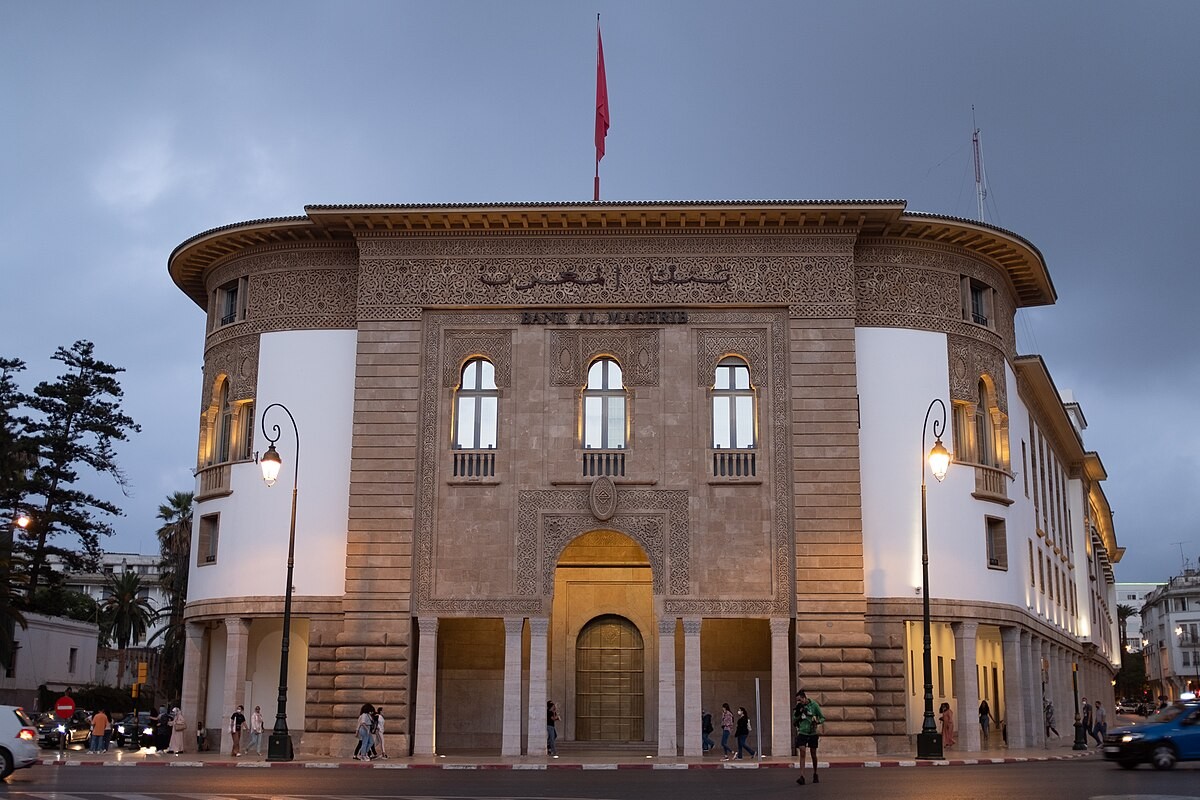
At its 20th meeting held at Bank Al-Maghrib’s headquarters in Rabat on Tuesday, the CCSRS highlighted that banks’ capital adequacy ratios remained well above regulatory requirements, reaching 16% for solvency and 13.3% for Tier 1 capital on an individual basis, compared to minimum requirements of 12% and 9% respectively.
“The macro-stress test of solvency continues to show the resilience of the banking sector against shock scenarios simulating severe economic deterioration, with the short-term liquidity ratio remaining above regulatory minimum,” the committee stated in its report.
The insurance sector also showed robust performance, with premiums reaching MAD 49.6 billion ($4.96 billion) by October, up 4.5% compared to the same period in 2023. Both non-life (+4.6%) and life insurance (+4.4%) segments contributed to this growth, marking a recovery in the life segment after significant deceleration in 2023.
On the macroeconomic front, Bank Al-Maghrib projects GDP growth to slow from 3.4% in 2023 to 2.6% in 2024, before accelerating to 3.9% over the next two years. Inflation is expected to decrease significantly to 1% in 2024, down from 6.1% in 2023.
The Casablanca stock market showed positive momentum, with the stock market index (MASI) recording a 22% gain as of December 17. Meanwhile, market liquidity improved to 11.48% by November, compared to 9.50% the previous year.
The report also noted that the Treasury’s debt is projected to reach 70.5% of GDP in 2024, with plans to decrease to 68.7% by 2026. Bank credit to the non-financial sector is expected to grow gradually from 3.8% in 2024 to 5.5% in 2026.
Regarding financial market infrastructure, the CCSRS confirmed “strong resilience both financially and operationally,” noting a low risk level for financial stability. The committee also acknowledged Morocco’s progress since exiting the Financial Action Task Force (FATF)’s grey list while emphasizing the importance of continued efforts ahead of the MENAFATF’s third round of mutual evaluations in 2026.
Read also: Morocco Cuts Interest Rate to 2.5% to Aid World Cup Investments Amid Economic Challenges