
 Join on WhatsApp
 Join on Telegram
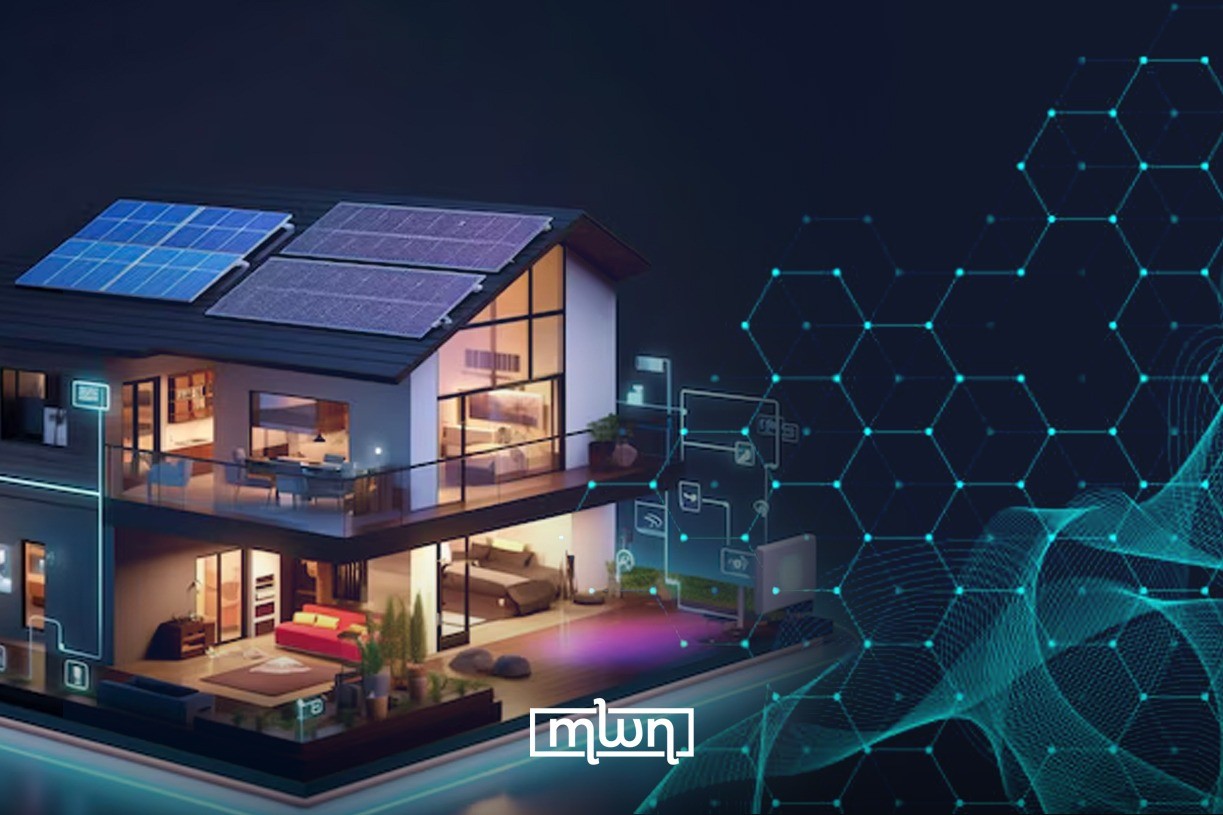
Smart homes are no longer just a futuristic concept. With rapid advancements in technology, they have become an integral part of modern living. From smart thermostats to voice-activated assistants, home automation has evolved to make our daily lives more convenient and efficient. As we look ahead, the future of smart homes is filled with even more possibilities. An article by CyberGhost reveals some exciting trends and developments that will shape the smart home industry in the coming years.
Advancements in AI for Smart Homes
One of the biggest advancements we can expect in smart homes is the integration of more sophisticated artificial intelligence (AI) systems. These systems will go beyond simple commands and will be able to understand and predict the needs of the inhabitants. For instance, smart homes may soon be able to analyze your routines and adjust lighting, temperature, and even security systems based on your preferences without needing manual input. As AI continues to improve, we can anticipate homes that are not just automated but truly intuitive.
Sustainability and Tech-Enhanced Living
Another important development is the rise of tech-driven homes designed with sustainability in mind. These homes will blend cutting-edge technology with eco-friendly practices. Solar-powered systems, energy-efficient appliances, and smart water management are just a few examples of how future homes will help reduce environmental footprints. Homeowners will be able to monitor and optimize their energy usage in real time, leading to both cost savings and a positive impact on the planet. As more people prioritize sustainability, these inspiring tech-savvy homes will become the norm.
The Role of Policy in Shaping the Future of Smart Homes
In addition to technological advancements, governments around the world are beginning to recognize the potential of smart homes. The AI policy in Morocco has recently been implemented to foster the growth of AI technologies across industries, including the smart home sector. With increased support from policymakers, smart homes will become even more accessible, affordable, and secure for the average consumer. This shift will not only benefit homeowners but also stimulate innovation and economic growth in the tech industry.
Security and Privacy in Future Smart Homes
As we continue to move toward smarter living environments, privacy and security will become more crucial than ever. With more devices connected to the internet, the risk of cyberattacks increases. Future smart homes will need robust security protocols to protect the personal data and privacy of their occupants. Innovations in encryption and data protection technologies will be essential to ensuring the safety of smart homes.Another emerging trend shaping the future of smart homes is the integration of the Internet of Things (IoT) with augmented reality (AR) and virtual reality (VR). Imagine walking through your home with AR glasses that provide real-time updates on energy usage, appliance maintenance, or even grocery inventory.
VR could enable homeowners to simulate interior designs, test smart home configurations, or experience remote home control from anywhere in the world. This fusion of IoT with immersive technologies will create an entirely new way to interact with smart home environments, making them more engaging, efficient, and customizable than ever before.
The Opportunities are Endless
The future of smart homes holds endless possibilities. From intelligent systems that adapt to our needs to homes designed with sustainability in mind, the next wave of smart technology will revolutionize the way we live. However, as with any technological advancement, challenges related to security, privacy, and accessibility must be addressed. As innovations continue to unfold, we can look forward to living in homes that are not just smart, but also sustainable, secure, and truly personalized.