
 Join on WhatsApp
 Join on Telegram
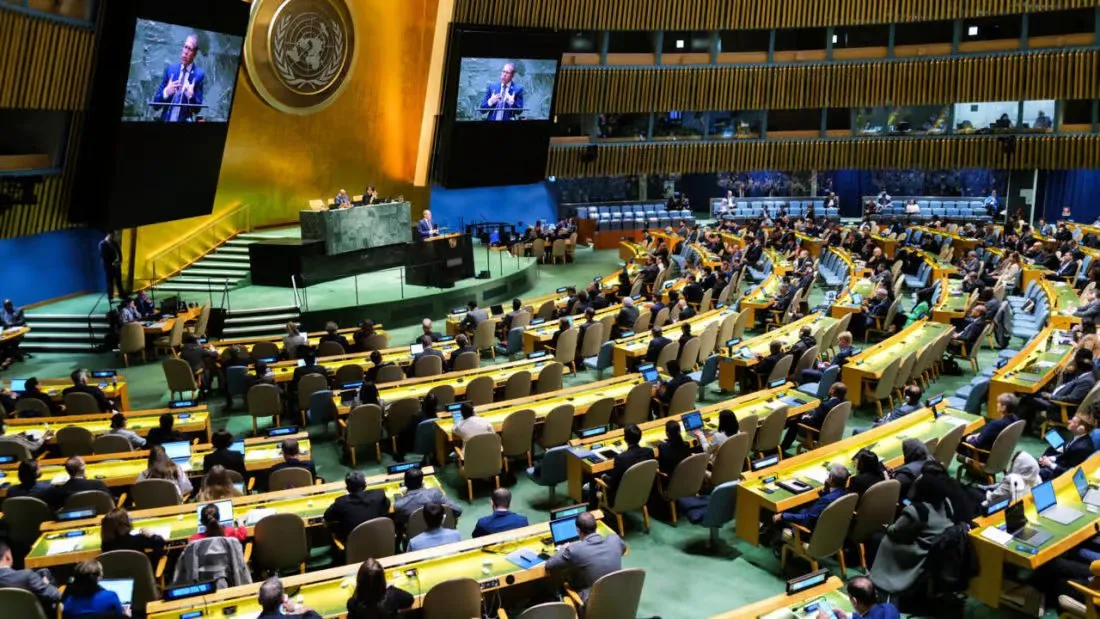
Rabat – Morocco is participating in the 69th session of the UN Commission on the Status of Women (CSW69), which kicked off on Monday in New York.
Minister of Solidarity, Naima Ben Yahia, is leading the Moroccan delegation, which includes officials from national institutions, government departments, and civil society organizations.
Morocco’s Permanent Representative to the UN, Omar Hilale, is also present.
Discussions will continue until March 21, with focus on the progress made in advancing women’s rights under the Beijing Declaration and Platform for Action.
The sessions also strive to address challenges that hinder gender equality and women’s empowerment, while assessing the role of these commitments in the UN’s 2030 development agenda.
Created in 1946, the Commission on the Status of Women serves as the main global forum for shaping policies that promote gender equality.
This year marks the 30th anniversary of the Fourth World Conference on Women, where 189 governments adopted the Beijing Declaration in 1995. The declaration outlines commitments in 12 key areas, such as education, economic participation, healthcare, human rights, and decision-making power.
Morocco will host a side event on Wednesday, led by Minister Ben Yahia, under the theme “Women’s Economic Empowerment and Their Contributions to Socio-Economic Development.”
Officials from the Economic, Social and Environmental Council (CESE) and the High Commission for Planning (HCP) will take part in sharing insights on Morocco’s experience in boosting women’s role in the economy.
Over decades, international forums have echoed calls for gender equality, with multiple governments and institutions reaffirming their commitments. Yet, these efforts remain out of sync with the daily struggles women face.
Nonetheless, real change remains slow, and women around the world continue to face barriers in economic participation, political empowerment, and legal protection.
A recent report by UN Women revealed that nearly one in four governments worldwide reported a backlash against women’s rights in 2024.
The persistence of these hurdles raises questions about the effectiveness of global initiatives and the gap between policy commitments, tangible progress, and women’s realities everywhere.