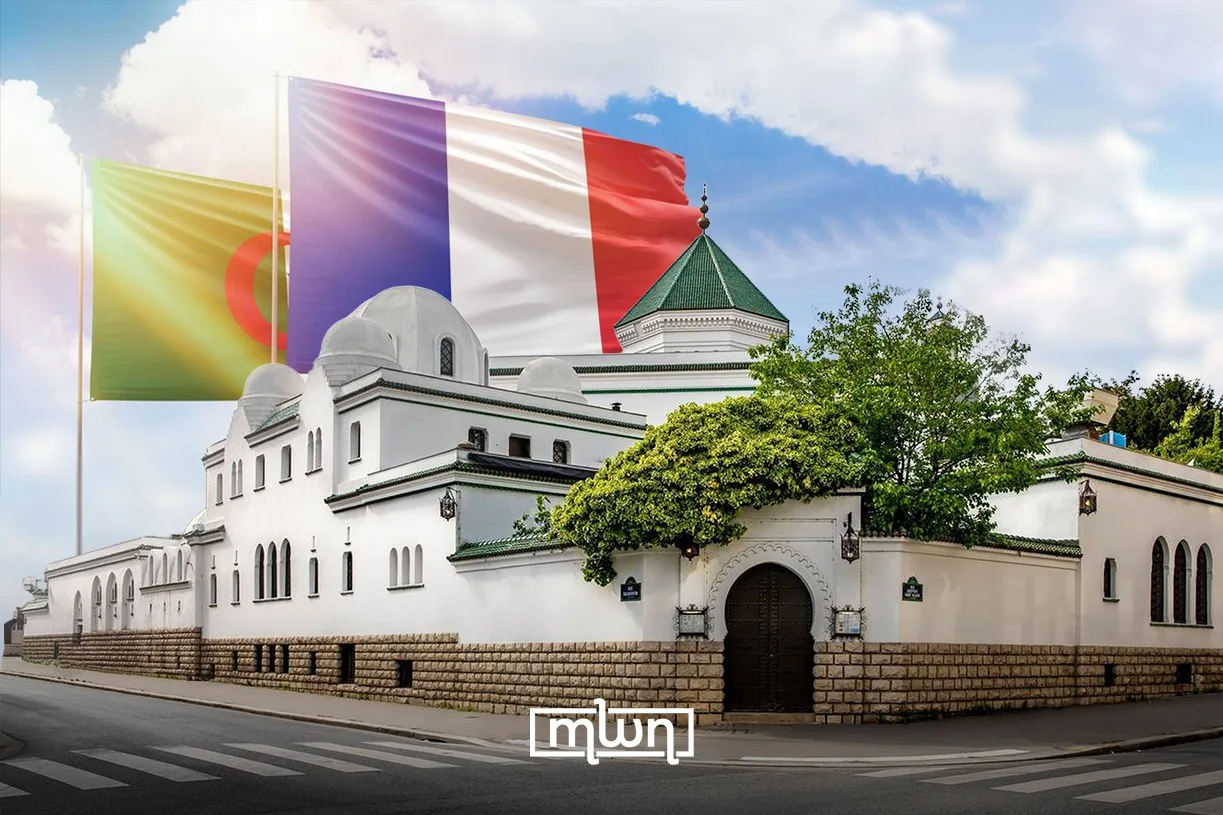
Rabat – The upcoming high-level Ramadan iftar ceremony at the Grand Mosque of Paris is attracting a dramatic turn of events as the media is suspecting further tensions between Algeria and France.
French news agency Agence France Presse said the rift between the two countries is putting the mosque in an “uncomfortable position” for its “connection with Algiers”.
The mosque is hosting the fourth iftar for ambassadors on Tuesday, with French media suggesting that the ceremony will mark the attendance of French Foreign Affairs Minister Jean-Noel Barrot.
French Interior Minister Bruno Retailleau, however, will not attend the iftar. The French minister has been sharply critical of Algeria, slamming the country for its constant refusal to receive back Algerian nationals deported orders due to their irregular status in France.
AFP said the mosque usually receives dozens of imams from Algeria but the consulate in the European country did not receive any visa requests from Algiers amid the crisis between the two countries.
“The situation is complicated,” the rector of the mosque Chems-eddine Hafiz told AFP.
The news outlet further cited experts, including sociologist Franck Fregosi, who said the mosque is “bearing the consequences of the deterioration” in ties between the two countries.
AFP recalled a situation that contributed to the deterioration of ties, when France reportedly accused the mosque of organizing a “highly profitable monopolistic halal certification system” for European products destined for Algeria “with the support of Algerian authorities.”
The report also recalled how the mosque rector was scrutinized for his connection with Algeria.
In January, former French Ambassador to Algiers Xavier Driencourt called on the rector to focus on “religion, not politics,” adding that the rector is not “Algeria’s unofficial ambassador.”
The rector, however, defended the mosque, noting that it has never “hidden the fact that it has a relationship between Algeria and France.”
“We are a virtuous bridge between the two. This is not a matter of influence or anything like that,” he told reporters this month.
Ongoing crisis
Tensions between the two countries reached an alarming level recently, with the two countries sharing accusations and blaming each other for the deteriorating crisis.
Last week, French Interior Minister Retailleau threatened to leave Emmanuel Macron’s government if his country gave up on taking a firm stance against Algeria and its refusal to accept the return of its nationals.
In January, Retailleau said Algeria’s decision aimed to humiliate France.
“We have reached an extremely concerning threshold with Algeria,” Retailleau declared, noting that “France cannot tolerate this situation. While maintaining our composure, we must now evaluate all means at our disposal regarding Algeria.”
France responded to Algeria’s decision by restricting travel to some Algerian dignitaries, noting that his country would be ready to take further steps if Algeria refused to cooperate.
Algeria said the travel restrictions are a “new provocation from France,” alleging that it was not “at all informed” of the measures taken against its nationals.
New developments in the rift between the two countries continue as Algeria has once again summoned the French ambassador to Algiers to express its discontent with the “ridiculously low rents” for 61 properties taken over by France in Algeria.
The summon is the second of its kind in less than a month. On March 6, Algeria also summoned the French ambassador, claiming that the Chergui 2025 military exercise between Morocco and France would be seen as an “act of provocation.”
The regime’s decision comes as Algeria had been taking offense at France’s newfound position on Western Sahara.
In July last year, France recognized Morocco’s sovereignty over its southern provinces in the Sahara, a decision that has been seen by Algiers as another “provocative act.”
For decades, Algeria’s regime has been backing the Polisario Front, a separatist group challenging Morocco’s territorial integrity. The Algerian regime backs the claims, supporting Polisario financially and logistically through military training and more.