
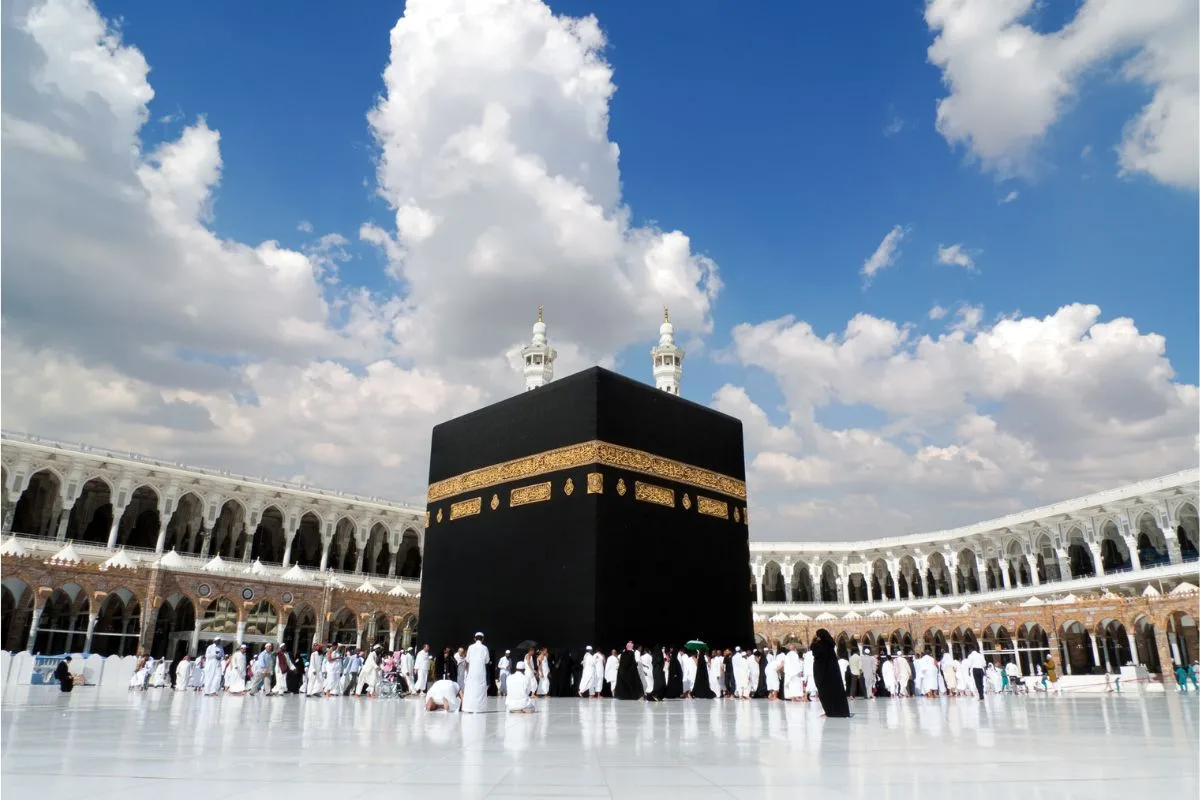
Doha – Saudi Arabia has imposed a temporary suspension on issuing short-term visas for citizens of 14 countries, including Morocco, as part of measures to regulate the upcoming Hajj season and prevent unauthorized pilgrimages.
The suspension takes effect from mid-April and will remain in place until mid-June 2025, following the conclusion of the annual pilgrimage. Travelers from these countries who currently hold valid visas may still enter the country until April 13, but must depart by April 29.
The decision affects three types of visas: Umrah visas, business visit visas, and family visit visas. The measure comes in response to the tragic events during Hajj 2024, when over 1,200 pilgrims died. More than half of the victims were unregistered visitors who had entered Saudi Arabia through non-pilgrimage visas.
The complete list of concerned countries comprises Algeria, Bangladesh, Egypt, Ethiopia, India, Indonesia, Iraq, Jordan, Morocco, Nigeria, Pakistan, Sudan, Tunisia, and Yemen.
Saudi authorities emphasize that the ban does not impact pilgrims with valid Hajj permits or those intending to obtain official Hajj visas through authorized channels.
According to Saudi media reports, the primary motivation behind this decision is to prevent the misuse of short-term visas for unauthorized Hajj participation.
Last year, Saudi security forces had to remove more than 300,000 unregistered pilgrims from Mecca, including 153,998 foreigners who had entered on tourist visas and 171,587 individuals based in Saudi Arabia but lacking proper Hajj permits.
The 2024 Hajj season proved particularly challenging due to extreme weather conditions, with temperatures ranging between 46°C and 49°C.
The presence of unauthorized pilgrims, who lacked access to basic amenities like lodging, transportation, and healthcare, exacerbated the situation and contributed to the high death toll.
Read also: Saudi Arabia Updates Health Guidelines for Hajj 2025
Morocco’s experience during the 2024 Hajj season was notably marred by these circumstances. Official records indicate that 20 Moroccan pilgrims died during the pilgrimage, though these were attributed to natural causes, with 15% of Moroccan participants being over 80 years old.
Morocco sent 34,000 registered pilgrims in 2024, with 22,500 under the Ministry of Habous and Islamic Affairs’ supervision and 11,500 managed by independent travel agencies.
Under the new regulations, April 13 marks the final day for issuing Umrah visas, after which no new visas will be granted to nationals of the listed countries until the Hajj season concludes.
Saudi authorities have also warned that individuals attempting to perform Hajj without proper authorization may face a five-year entry ban.
The custodians of the holy sites made the decision as part of ongoing measures to protect pilgrims and uphold order during Hajj. This follows a February policy that had already restricted travel from these 14 countries to single-entry visas valid for 30 days.