
 Join on WhatsApp
 Join on Telegram
Rabat – Oil prices plunged to their lowest level in four years on Wednesday, dragged down by growing fears over the global economy as the trade dispute between the US and China took a harsher turn.
According to Reuters, the fallout extended beyond crude, weighing on markets from coffee to copper.
The latest downturn in global commodity markets followed a fresh escalation in the US-China trade dispute, triggered by Washington’s decision to roll out sweeping new tariffs.
The move, which includes a 104% duty on certain Chinese imports, took effect just after midnight and sent ripples through commodity and equity markets, amplifying fears over slowing global demand.
US President Donald Trump framed the measure as part of what he calls his “Liberation Day” agenda, a broader push to impose steep tariffs on China and several other trading partners. Trump defended the decision during a recent campaign dinner, insisting it was time for the US to push back against what he described as years of unfair trade practices.
“Now it’s our turn to do the ripping,” he said, accusing China of exploiting the US economy “right and left.” He also took aim at the previous administration, arguing that Washington had been too lenient in global trade negotiations under former President Joe Biden.
Now, markets in Asia and Europe closed lower while commodities continued to feel the pressure. Analysts at ANZ noted that oil prices “extended losses as the trade war escalated,” adding that copper has already lost nearly 10% since the initial announcement of higher tariffs.
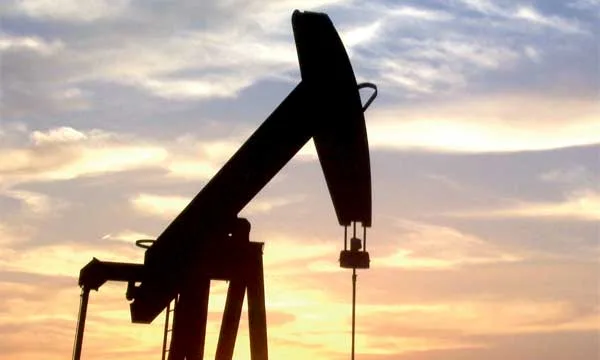
Crude oil has now shed about 20% of its value since early April, marking the steepest drop in over two years. Brent crude fell to $60.31 a barrel, down 2.5%, while West Texas Intermediate touched $57.02.
Ole Hvalbye, an analyst at SEB, attributed the slide to a combination of falling demand expectations and OPEC+’s decision to ease production limits more quickly than anticipated. “It’s a toxic mix,” he said, “and it’s flooding the market with uncertainty.”
Read also: Trump Threatens China With New 50% Tariff as Global Markets Fall
Morgan Stanley revised its oil forecasts in light of the downturn, trimming its estimates for Brent crude to $65 in the second quarter and $62.50 in both the third and fourth quarters.
The impact of the trade dispute reached soft commodities as well. Coffee prices fell sharply, with both robusta and arabica varieties hitting four-month lows. Cocoa followed suit, slumping to its lowest point in five months in London and New York.
According to market consultant Michael J. Nugent, the bullish momentum in coffee has likely come to a halt. “Unless a weather shock like a frost comes in, there’s not much left to support prices,” he said. “The tariff headlines won’t let up.”
Copper, often seen as a bellwether for industrial demand, continued to slide. On the London Metal Exchange, three-month copper dipped to $8,650.50 per metric ton, extending a decline that began after prices peaked at more than $10,000 in late March. Chinese copper contracts mirrored the fall, pressured by the higher U.S. duties targeting Beijing.
Natural gas prices in Europe also weakened. The Dutch front-month contract dropped 2.3% to €34.80 per megawatt hour, according to data from LSEG. Traders pointed to broader market unease and shifting supply expectations.
While most commodity markets moved lower, gold prices rose by 2% as investors turned to safer assets. Soybeans also rebounded for a third straight session. Rising prices in Brazil and a softer dollar lent support which helped the market recover after hitting a four-month low earlier in the week.
Despite these exceptions, the overall picture remains fragile. With trade tensions and new US tariffs intensifying and uncertainty clouding the outlooks, markets across the board appear braced for more turbulence ahead.